

Ukrainian art & cultureOnline


Other dimensions of culture
Other dimensions of culture





Test mode: all content on this site is for testing and will be removed at launch.
Art Glossary
Ukrainian Art&Culture online glossary of art terms covers movements, styles and techniques such as Impressionism, Printmaking, Video art and more.
from Realismto Cyberpunk
34from Oilto 3D Modeling
8from Paintingto Design
7from Trypilliato Contemporary
2347 terms
Acrylic paint is a water-soluble, fast-drying paint based on a synthetic acrylic polymer emulsion, in which pigment is suspended in a poly-methyl-acrylate binder. It was invented in the mid-twentieth century: the first artists' acrylic paints appeared in the United States and Mexico in the 1940s and 1950s, and became commercially available from the 1950s. From the 1960s onward acrylic gained wide popularity among artists thanks to its versatility, durability and ease of use. Depending on the amount of water added, acrylic can be applied either as a dense, impasto layer resembling oil or as transparent glazes similar to watercolour. The paint dries within minutes, after which it becomes water-resistant and flexible, barely changing colour or yellowing over time. Acrylic adheres well to a variety of supports — canvas, paper, wood, metal — and, with additional mediums, an artist can adjust its gloss, texture and drying time. These qualities made acrylic a favoured material for color field painters, Pop artists and many contemporary artists. Masters such as Mark Rothko, David Hockney, Morris Louis and Andy Warhol made extensive use of acrylic paints in their work.
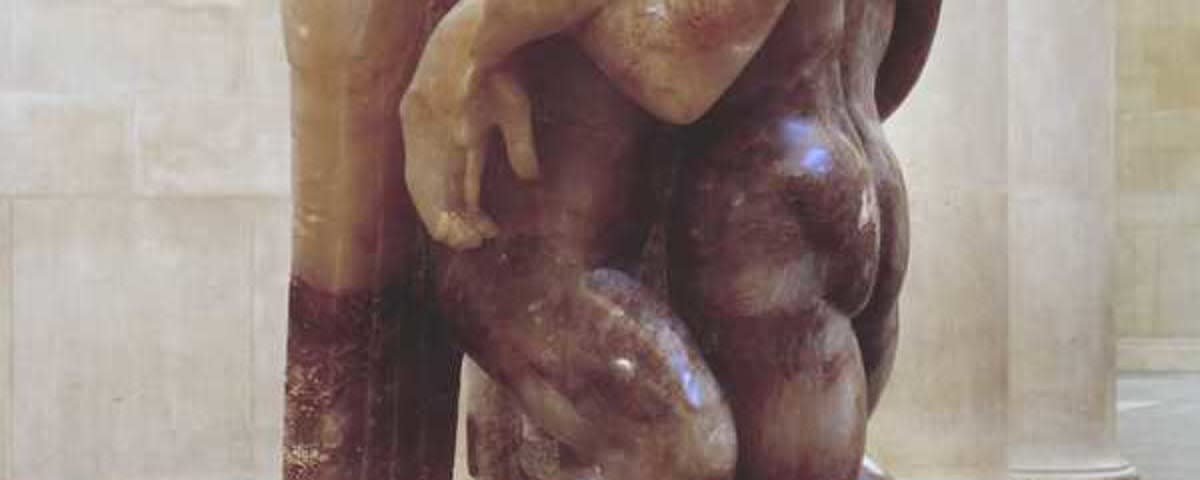
Alabaster is a soft, fine-grained stone used in sculpture and decorative art. The term covers two distinct minerals: gypsum alabaster (hydrated calcium sulphate), common in ancient and medieval times, and calcite alabaster, or "oriental alabaster" (calcium carbonate), known to the Egyptians and Greeks. Both varieties are soft, white or translucent, and readily carved, polished and tinted, which makes them attractive for fine work. Because of its softness and its ability to transmit light, alabaster was prized in antiquity: it was used to make vases, perfume vessels and funerary objects in ancient Egypt and Mesopotamia. In medieval Europe, especially in England (Nottingham) and Spain, alabaster was carved into religious reliefs, altarpieces and tombs, often painted and gilded. In the Baroque era the translucent stone was used for decorative details, lamps and sculptures. The main drawback of alabaster is its solubility in water and vulnerability to moisture, so objects made from it are intended for interiors. Today alabaster remains a material both for restorers of historic monuments and for contemporary sculptors who value its soft luminosity.

Canvas is a strong woven fabric traditionally used as a support for painting, that is, the surface on which paint is applied. It is made chiefly of linen or cotton; linen canvas is regarded as higher in quality and more durable, while cotton is cheaper and more common in modern times. Before painting, the canvas is stretched over a wooden stretcher and primed — covered with a layer of size and ground (such as gesso or acrylic primer), which insulates the fibres from the paint and creates a surface suitable for painting. Canvas gradually displaced the wooden panel as the principal support for easel painting in Europe from around the fifteenth and sixteenth centuries, especially in Venice, where the damp climate damaged wooden panels. Compared with wood, canvas was lighter, cheaper, allowed the creation of large-scale pictures and could be easily transported when rolled. This change also had aesthetic consequences: the grainy texture of the fabric encouraged a freer, more painterly brushstroke developed by masters such as Titian and Rembrandt. From the Renaissance to the present, stretched and primed canvas has remained the most common support for oil and acrylic painting, and the word "canvas" itself is often used as a synonym for a painting.
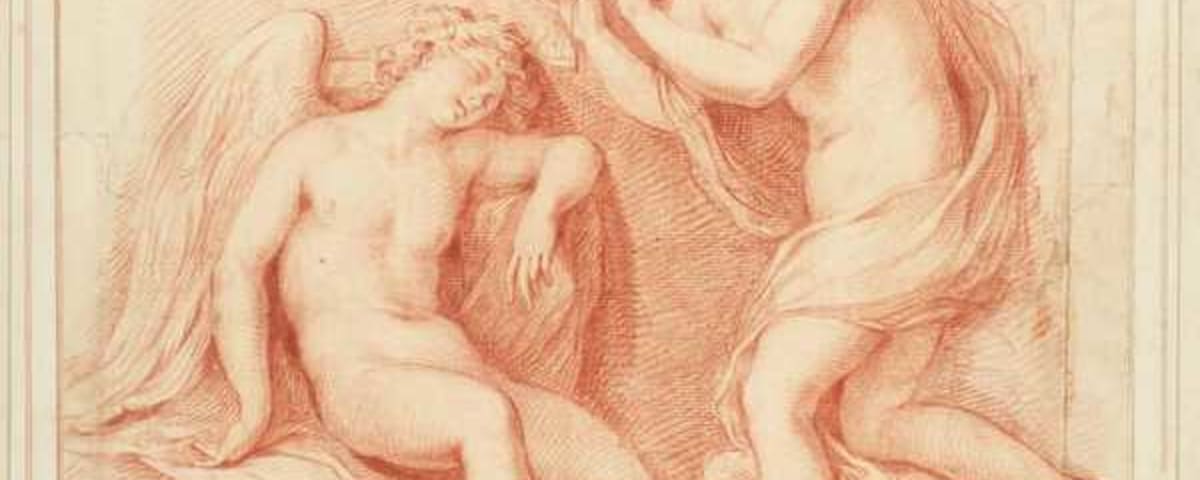
Chalk is a soft, powdery material for drawing and writing that was traditionally made from natural rocks rich in calcium carbonate. Drawing chiefly employs three natural varieties of chalk: black (from carbonaceous shale), red, known as sanguine (from red iron-bearing clay, or haematite), and white (from soft limestone or gypsum). These natural chalks were shaped into thin sticks or set in holders, allowing the artist to draw lines, blend and model volume. Chalk drawing flourished in the Renaissance and Baroque and became one of the main means of both preparatory drawing and independent works. Especially prized was the technique à trois crayons — the combination of black, red and white chalk on toned paper, which allowed masters to convey skin tone and soft chiaroscuro transitions. Chalk was used by Leonardo da Vinci, Michelangelo, Peter Paul Rubens, Antoine Watteau and countless other draughtsmen. White chalk was often applied to dark surfaces for highlights and the brightest accents. In modern times, alongside natural chalk, synthetic pastel and chalk pencils have become widespread, but traditional chalk drawing still remains a classic means of academic drawing.
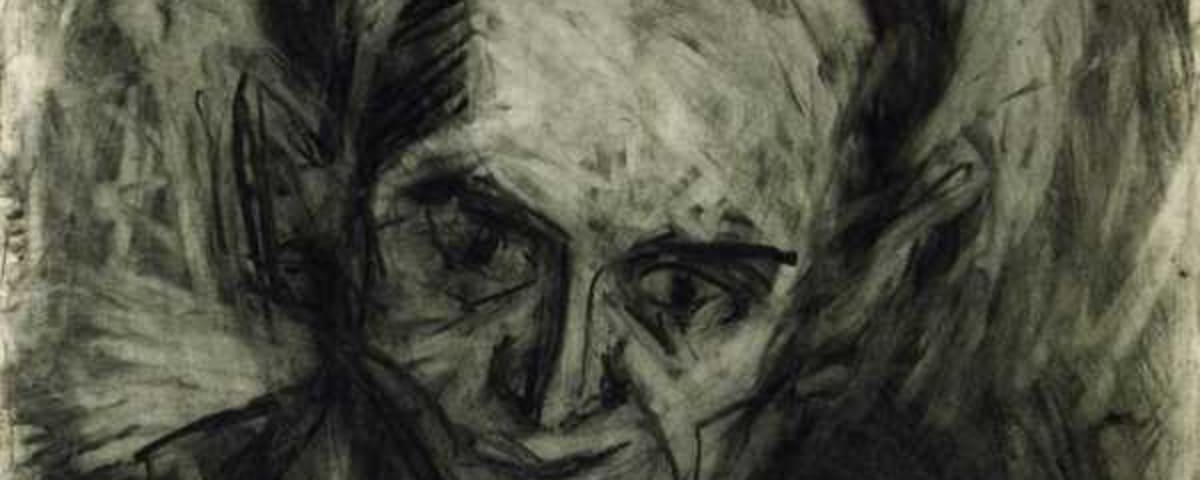
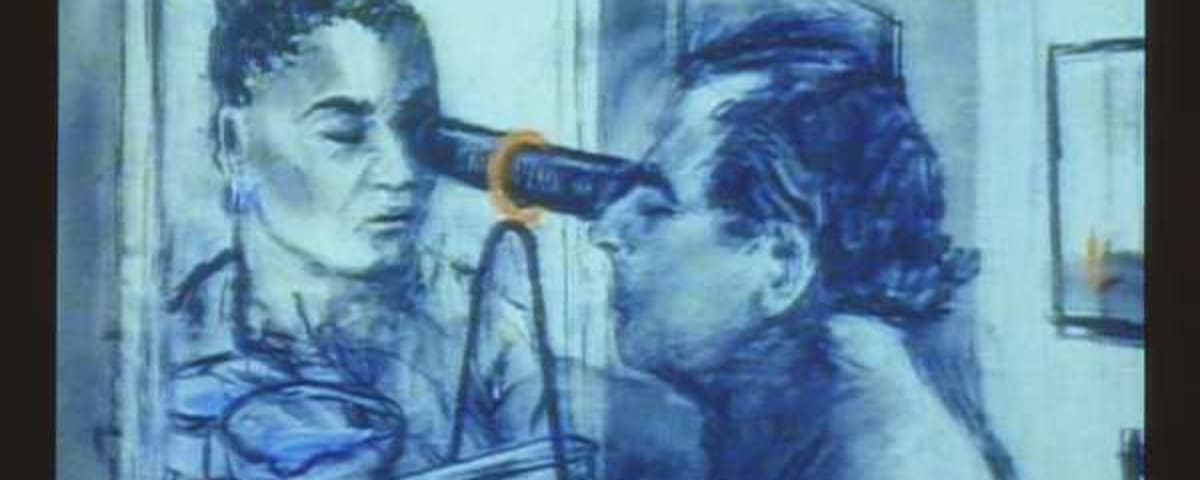
Charcoal (artists' drawing charcoal) is a black, brittle drawing material composed chiefly of carbon and produced by burning wood in the absence of air. It is one of humanity's oldest artistic materials: some prehistoric rock images, including those in caves such as Chauvet, were made with charcoal. Thanks to its ease of production and its expressiveness, charcoal has remained a principal means of instructional and preparatory drawing throughout the history of Western art. There are several kinds of charcoal: thin stick (willow or lime) charcoal, which erases easily and suits preliminary sketches, and compressed charcoal, mixed with a binder, which gives a deeper, richer and more permanent black tone. With charcoal an artist can create both quick linear sketches and finished tonal drawings with a wide range from delicate grey to velvety black; the material blends easily with a finger or cloth and can be lightened with an eraser. The finished drawing is fixed with a fixative to prevent it flaking off. Charcoal was widely used by masters from the Renaissance (for cartoons and underdrawings) to contemporary artists such as William Kentridge, who builds entire animated works on charcoal drawing.
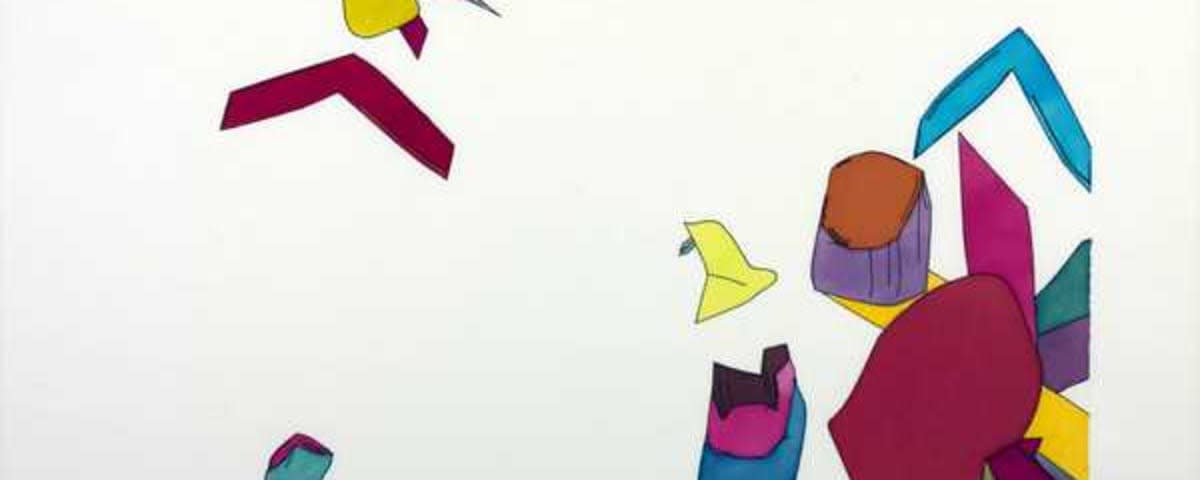
Digital art is a general term for artworks that are created, processed or presented using digital technologies, including computers, software and electronic devices. It encompasses a wide range of practices: digital painting and graphics, 3D modelling, computer animation, video art, interactive installations, virtual and augmented reality art, and, from the 2020s, works associated with blockchain and NFTs. Digital art can be either a self-sufficient final work or a means of preparing a work in another medium. The origins of digital art go back to the 1960s, when the first artists and scientists, including Frieder Nake, Georg Nees and Vera Molnár, began creating graphics with computing machines and plotters. With the spread of personal computers and graphics software in the 1980s and 1990s, digital tools became accessible to a broad range of artists. Digital art raises important questions about the nature of the original, reproduction, authorship and the materiality of the work, since a digital file can be reproduced without loss of quality. Today it is a fully fledged part of contemporary art, represented in leading museums and at specialised media festivals around the world.

A diptych is an artwork consisting of two separate panels, pictures or images that together form a single whole, often joined by hinges so that they can be folded like a book. The word derives from the Greek diptychon, meaning "folded in two." In ancient Rome, diptychs were two joined wax tablets used for writing; in the early Christian and medieval periods, diptychs of carved ivory or wood were made into portable relics and altarpieces. In Western European art of the Middle Ages and the Renaissance, the diptych became a popular form of religious painting: one panel often depicted the Madonna and Child, while the other showed a portrait of the patron-donor in a praying pose. The folding structure protected the images and allowed the diptych to be used as a personal travelling altar. A classic example is the Melun Diptych by Jean Fouquet. The format did not disappear in modern art: twentieth- and twenty-first-century artists, including Francis Bacon with his treatment of the triptych and diptych and Andy Warhol in his Marilyn Diptych, used the paired juxtaposition of two images to create a dialogue of meaning, contrast or narrative sequence.

Drawing is a technique by which images are produced on a flat surface chiefly through the drawing of lines, although drawings may also contain tonal areas, shading and other non-linear marks. It is one of the oldest and most fundamental forms of visual art: humans drew on cave walls long before the appearance of painting or writing. Drawing is carried out with dry or liquid means — pencil, charcoal, chalk, sanguine, pen and ink, silverpoint — on paper, parchment or other supports. In art, drawing performs a dual role. On the one hand, it is a preparatory tool — a sketch, study or cartoon by means of which an artist works out a composition, studies nature and plans a future work in painting, sculpture or architecture. On the other hand, a drawing can be a self-sufficient, finished work of art with its own aesthetic value. In the Renaissance, drawing (disegno) was regarded as the intellectual foundation of all the visual arts, a means of expressing an artist's conception and skill. Outstanding draughtsmen — from Leonardo da Vinci, Dürer and Rembrandt to Ingres, Van Gogh and contemporary artists — attest to the inexhaustible expressive possibilities of line. Drawing remains today the foundation of artistic education.
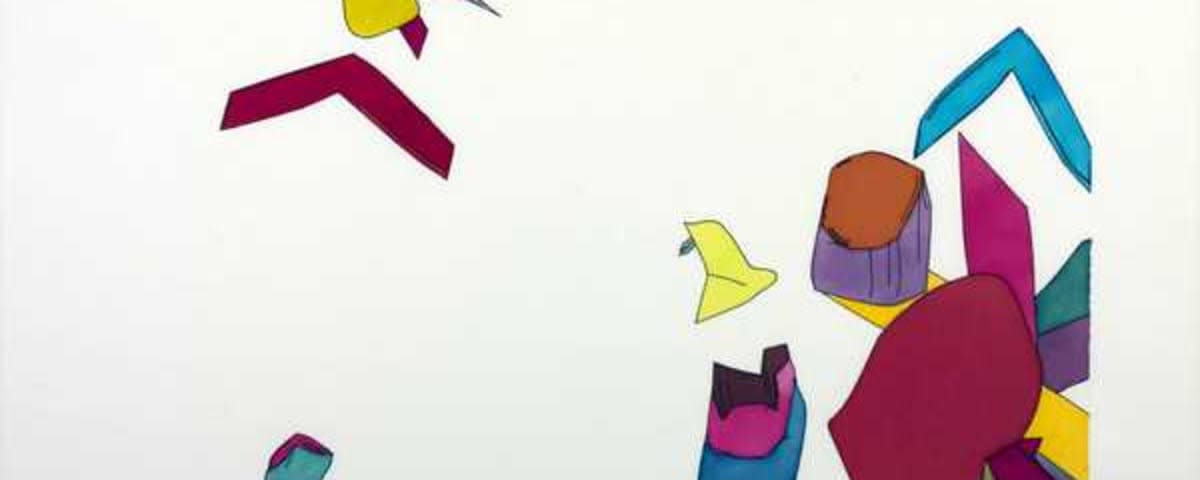
Generative art is art created wholly or partly by means of a predetermined autonomous system that often includes an element of randomness or self-determination. The artist sets the rules, algorithm or process and delegates the direct execution of the work to this system — mechanical, mathematical, chemical, biological or, most often, computational. The term is most frequently applied to computer art, in which program code generates images, forms, sound or movement according to defined parameters. The idea of creating by rules is not new: elements of a generative approach can be traced in the musical "dice games" of the Classical era, in the art of ornament, and in the avant-garde's experiments with chance, notably among the Dadaists. However, generative art truly flourished with the advent of computing: the pioneers of the 1960s — Frieder Nake, Georg Nees, Vera Molnár and Manfred Mohr — programmed plotters to create geometric compositions. The artist sets up the system, while the result is partly unpredictable, which raises questions about the role of author, chance and machine in the creative process. Today generative art is experiencing a new surge thanks to algorithms, blockchain platforms and artificial intelligence, remaining one of the most dynamic fields of digital art.
An amorphous inorganic material made by fusing silica with a basic oxide; in art, the material of vessels, sculpture and stained glass.
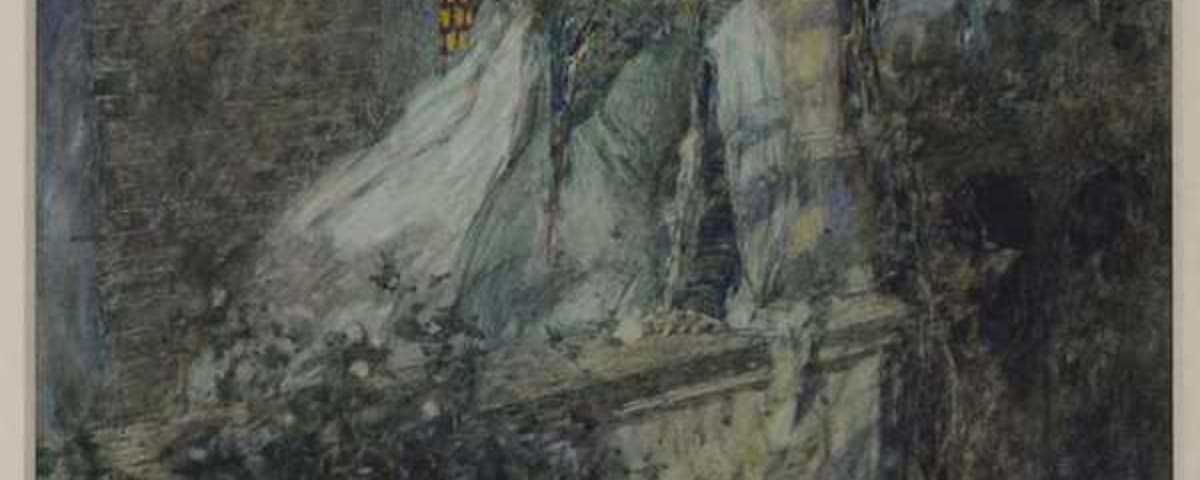
Gouache is a water-based paint in which pigment particles are suspended in water together with a binder (usually gum arabic) and a white filler such as chalk. Unlike transparent watercolour, gouache is opaque: the white of the paper does not show through, and colour lies in a dense, even layer. This lets gouache cover earlier strokes, produce rich matte tones and accept corrections readily. The technique reaches back to medieval illuminated manuscripts and flourished in the eighteenth century, when it served for portrait miniatures and landscape studies. In the twentieth century gouache became a favourite of designers, illustrators, poster artists and stage designers thanks to its brightness, quick drying and even tone under reproduction. Ukrainian graphic artists and book illustrators used gouache widely in both easel and applied graphics, executing numerous theatre-set sketches and posters with it. Henri Matisse, in his late cut-outs, worked from sheets pre-painted in gouache, making the medium the foundation of monumental compositions. Gouache remains an accessible and expressive material for teaching and professional practice alike today.
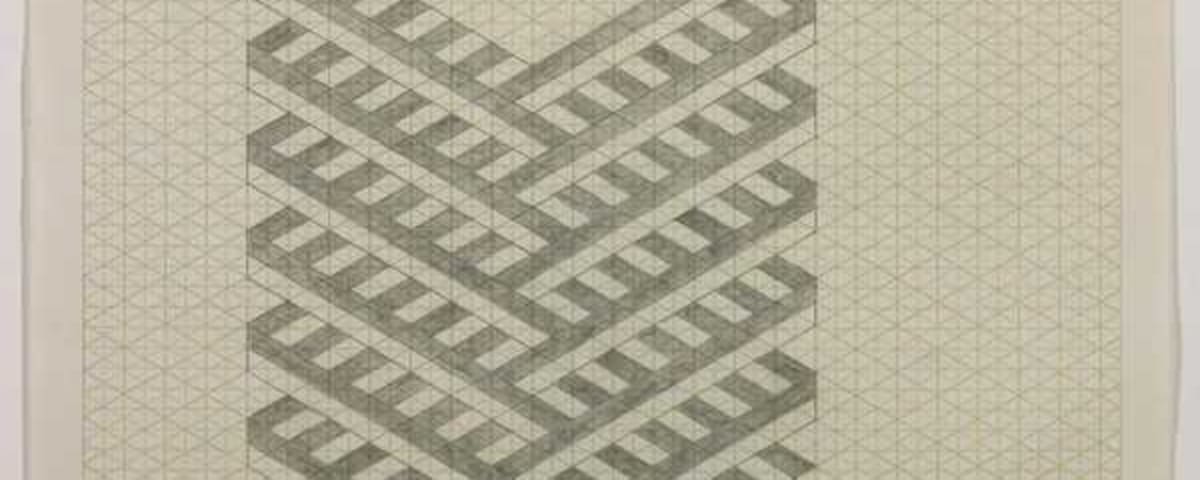
Graphite is a metallic-grey crystalline form of carbon and one of the most common materials for writing and drawing. It is most often used as a pencil, in which a thin graphite core is encased in wood, though graphite powder and compressed sticks also serve artists as a medium in their own right. The softness or hardness of the lead is graded with letters (from H for hard to B for soft), yielding anything from pale silvery lines to deep velvety blacks. The material blends easily, lifts with an eraser and lends itself to fine hatching and tonal modelling. The modern graphite pencil emerged in the late eighteenth century, when Nicolas-Jacques Conté devised a way of mixing powdered graphite with clay and firing the rods, allowing hardness to be controlled. Since then graphite has been the principal tool of preparatory drawing, sketching and academic study, including in Ukrainian art schools. It serves both rapid notations and finished easel drawings. Its versatility, availability and precision have made graphite indispensable to artists, architects and designers.
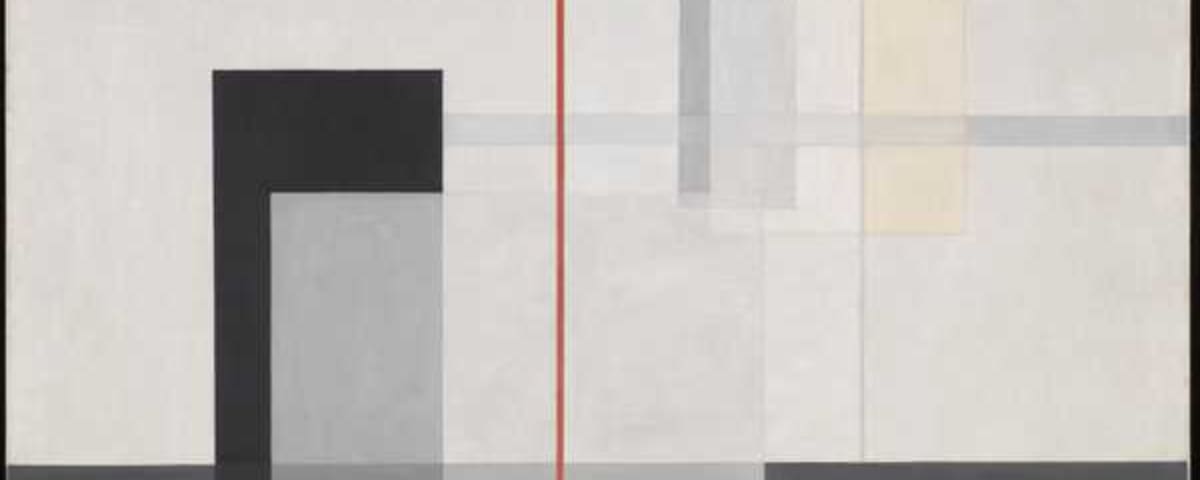
Industrial design is the design of mass-produced, machine-made objects of everyday life and technology, in which aesthetics is combined with function, ergonomics and manufacturability. The designer determines the form, materials and use of a product — from furniture and tableware to transport and electronics — so that it is convenient, suited to serial production and attractive to the consumer. The discipline arose from the Industrial Revolution, when handcraft gave way to the factory line and a need emerged to shape the appearance of replicated goods deliberately. Key milestones include the Arts and Crafts movement, the German Werkbund and the Bauhaus school, which in the early twentieth century proclaimed the unity of form and function and laid the foundations of modern design. The Ukrainian design tradition developed in the context of VKhUTEMAS, Constructivism and later art-industrial schools, where specialists worked on shaping the object environment. Today industrial design embraces digital interfaces, sustainability and human-centred design, remaining at the intersection of art, engineering and economics.
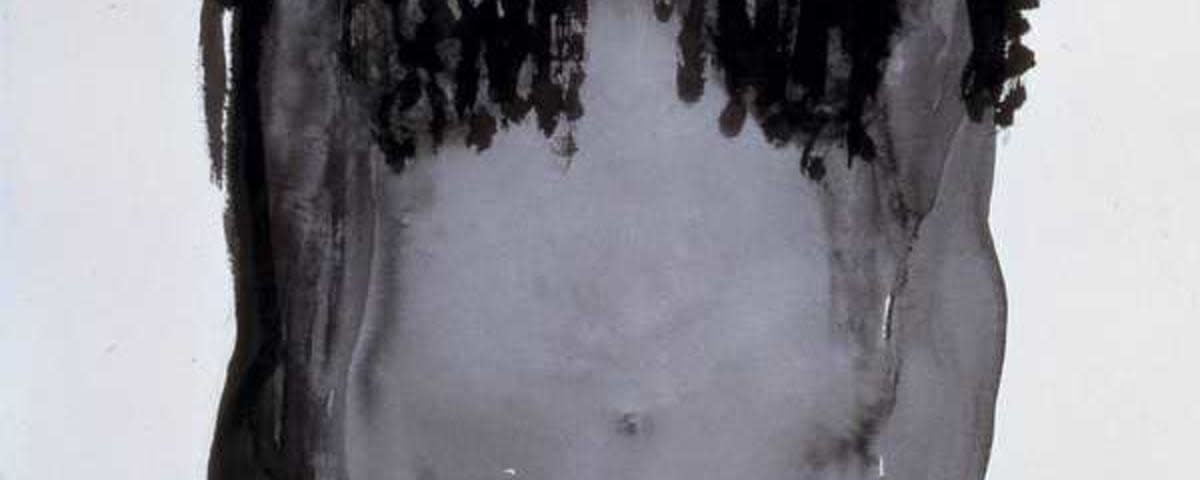
Ink is an ancient medium for writing and drawing in liquid or paste form, traditionally black or brown, though it may also contain coloured dyes or pigments. Historically common types include carbon (soot) ink, iron-gall inks based on tannins and natural sepia. Artists apply ink with a pen, brush or reed, and when diluted with water it yields transparent washes, whereas undiluted it gives a rich, deep black. This flexibility suits ink both to crisp line and to soft tonal washes. Ink holds a central place in many traditions: in East Asian brush-and-ink painting, in European pen drawing of the Renaissance and Baroque, and in calligraphy and book graphics. Ukrainian graphic artists used ink in easel drawing, book illustration and the ex-libris, achieving an expressive linear language. In the twentieth century ink remained the basis of line art for print, comics and illustration. Owing to its simplicity, durability and expressiveness it is still widely used by artists today, alongside new liquid acrylic inks.
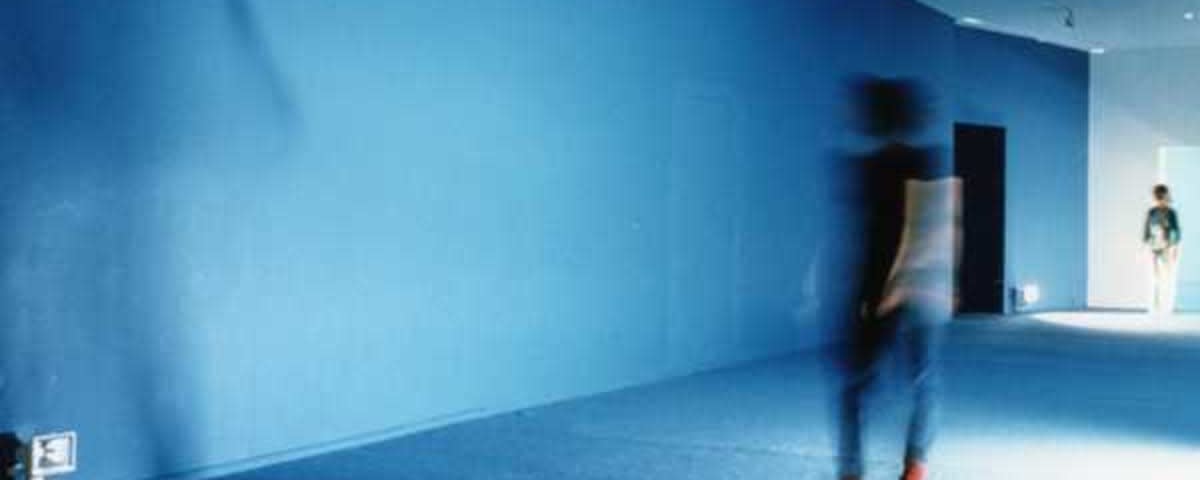
Interactive art is a form of art that depends on the participation of the viewer: the work is realised not as a finished object for contemplation but as a process that the viewer activates, alters or completes through their actions. The response may be physical (touch, movement, voice), spatial (moving one's body through an installation) or digital (interaction with sensors, cameras and code). In this way the boundary between author and public dissolves and the viewer becomes a co-creator; every session of interaction produces a unique course of events. The roots of interactivity lie in kinetic art, happenings and the Fluxus experiments of the 1960s, when artists drew the public into action. With the arrival of computers, sensors and networks at the end of the twentieth century, interactive art flourished as media installations, augmented-reality works and adaptive environments. Artists such as Myron Krueger with Videoplace, or Rafael Lozano-Hemmer, created spaces that respond to human presence. Interactive art raises questions of authorship, embodiment and participation, remaining an important strand of contemporary media practice, including within the Ukrainian digital scene.

Internet art is art made on and for the platform of the Internet, also known as net art or net.art. Instead of the gallery space, its environment is the web browser, the web page, email, social networks or the code of the protocol itself; a work may be a link, a website, a bot or a performance unfolding in real time online. Its key features are accessibility without institutional mediation, interactivity, community participation and reflection on the very nature of the network — its structure, errors, surveillance and culture. The movement took shape in the mid-1990s, when artists such as Vuk Ćosić, Olia Lialina, the group JODI, Alexei Shulgin and Heath Bunting began using browser glitches, hypertext and HTML as artistic means. The term net.art, by legend, was born from an accidentally corrupted email. Later came the post-internet wave, reflecting on the ubiquity of the digital in physical life. Internet art poses questions of authorship, reproducibility, privacy and collective creativity; Ukrainian media artists also take part in these practices, working with networked imagery and digital activism.
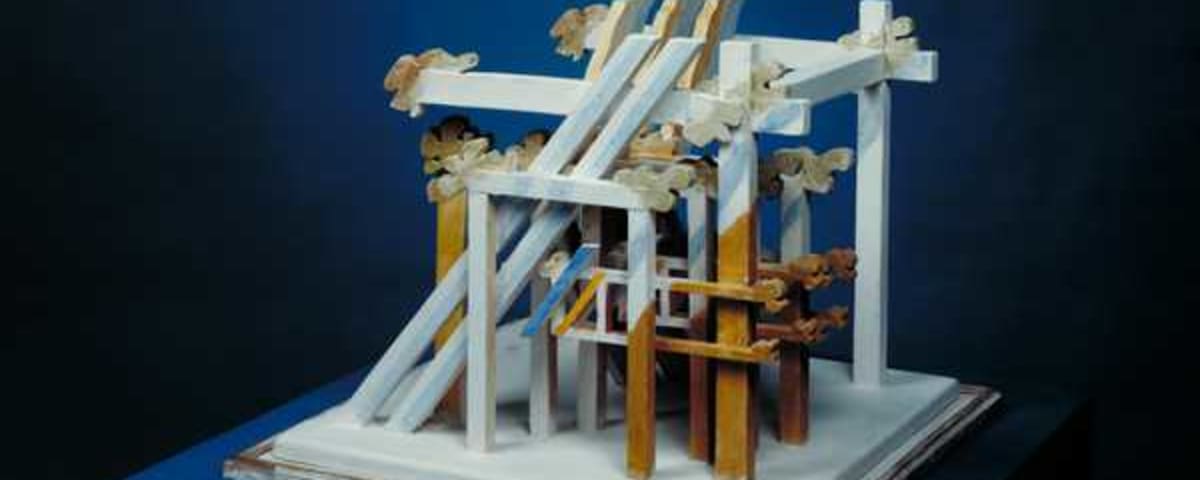
A maquette is a preliminary model, usually small in size, for a larger sculptural or architectural work. The word comes from the French maquette (from the Italian macchietta, meaning "little sketch"), and in sculpture it denotes a rough three-dimensional study in which the artist works out the overall composition, proportions, mass and silhouette of the future work before executing it in its final material and scale. A maquette is often modelled in clay, wax, plaster, plasticine or card; it plays the same role as a preparatory drawing in painting. Maquettes are valuable both as a working tool and as independent works of art that preserve the immediacy of the artist's conception. They allow the course of creative thought to be traced, so museums prize them as evidence of process. In monumental sculpture, a maquette is submitted for monument competitions, used to approve a project and then scaled up to full size. Ukrainian sculptors working on monuments and garden sculpture invariably began with maquettes. The term is also used in architecture, stage design and filmmaking for three-dimensional models of buildings and sets.
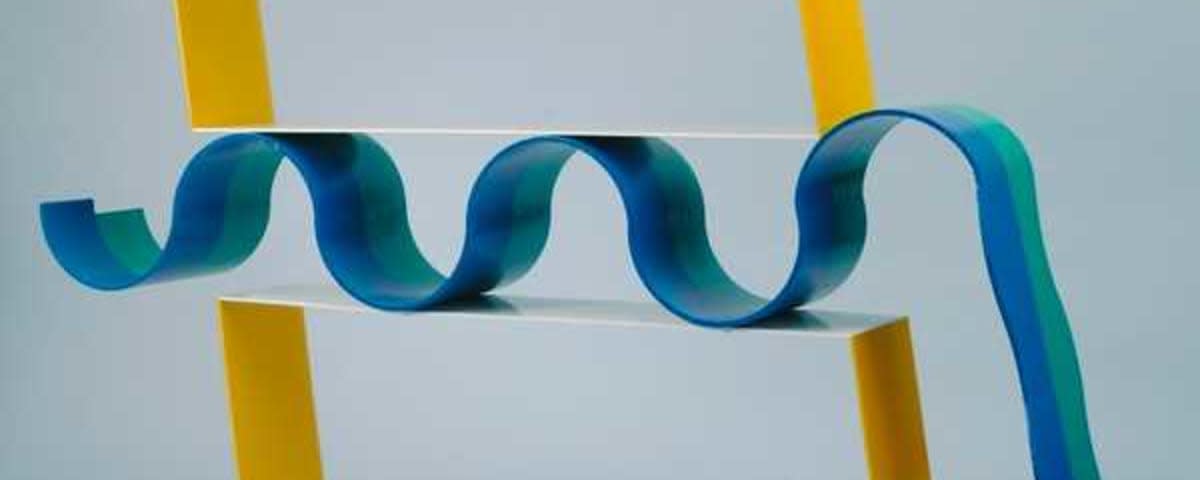
Metal is a hard, strong and opaque material that has been used by sculptors since the earliest times. Owing to its strength, malleability and ability to hold complex forms, metals allow the creation of both monumental sculpture and delicate jewellery. The most common in art are bronze (an alloy of copper and tin), which is cast in moulds, as well as iron, steel, copper, lead, gold and silver. Metal is worked in various ways — casting, forging, chasing, welding and engraving — each giving its own texture and expressiveness. Bronze casting, known since antiquity and perfected in the Renaissance, remains a classic technique of easel and monumental sculpture. In the twentieth century artists began using welded steel and industrial metals extensively: Julio González and David Smith opened a new language of constructed metal sculpture, and the Minimalists valued the cold precision of industrial surfaces. In Ukraine a rich tradition of artistic metalwork reaches back to Scythian gold and Cossack decorative art, and contemporary sculptors continue to work with forging, casting and welding in both monumental and intimate works.
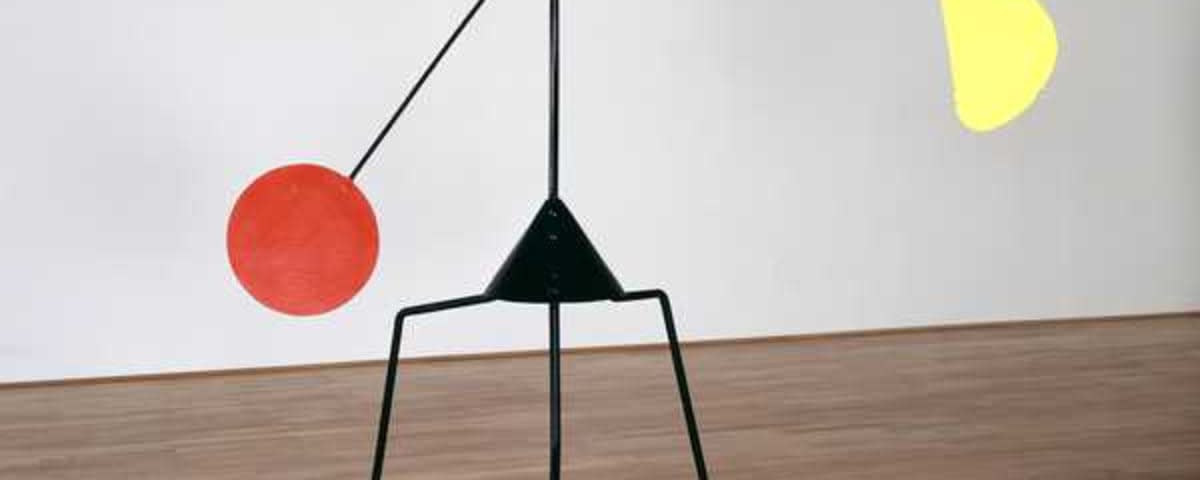
A mobile is a type of sculpture made of delicate components suspended in the air, which move in response to air currents or mechanical force. Unlike static sculpture, a mobile continually changes its configuration, so the viewer never sees it the same way twice: balance, line and space are in constant motion. A mobile usually consists of thin metal rods and flat coloured elements, balanced so that the slightest breath of air sets the whole structure into subtle oscillation. The genre was invented by the American sculptor Alexander Calder in the late 1920s and early 1930s; the name "mobile" itself was suggested by Marcel Duchamp. Calder's abstract compositions of coloured metal "petals" became classics of kinetic art and influenced the understanding of sculpture as an art of time and movement rather than mass alone. The opposite concept, also coined by Jean Arp, is the "stabile" — a stationary construction. Mobiles influenced interior design, children's hanging toys and many twentieth-century artists, affirming the idea that sculpture can be light, airy and ever-changing.

Monochrome means "of one colour"; in art a monochrome work is one executed in a single colour or in its shades and tones. The artist limits the palette to one pigment, working instead with gradations of light and dark, surface texture, materiality and form. Monochrome painting focuses attention on the very essence of colour and the flat plane, freeing the canvas from depiction and narrative. Historically the monochrome manner appeared in grisaille — painting in grey tones imitating relief — and in tonal drawings. As a radical avant-garde gesture, the monochrome emerged in the early twentieth century, when black and white canvases became manifestos of pure art. In the 1950s and 1960s Yves Klein registered the formula of the saturated ultramarine IKB (via a Soleau envelope, 1960) and created a series of purely blue paintings, Robert Rauschenberg made white canvases and Ad Reinhardt near-black ones. The monochrome raised questions about the limits of painting, the presence of the viewer and colour as a self-sufficient event. The tendency is closely linked with abstraction, Minimalism and Conceptual art and remains an influential strategy for contemporary artists, including in Ukrainian abstract painting.

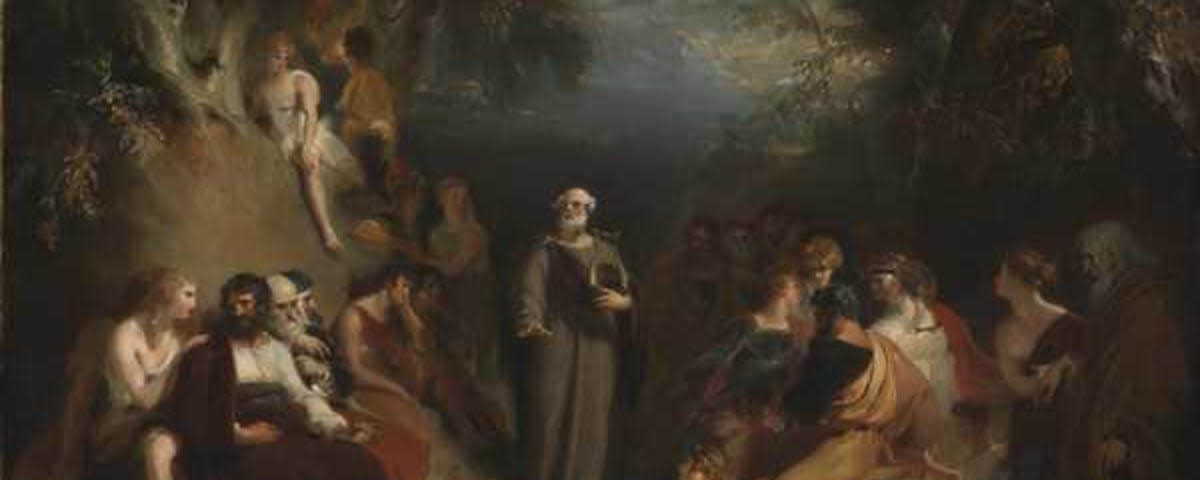
Painting is the practice of applying paint or other materials to a surface, usually with a brush, and more broadly it is one of the fundamental visual arts and its result — the picture. Painting works with colour, tone, line, texture and composition to create images of the real world, to express emotion or to embody abstract ideas. The supporting surface may be canvas, a wooden panel, paper, plaster or a wall, and among its techniques are oil, tempera, watercolour, gouache, acrylic, fresco and encaustic. The history of painting reaches back to prehistoric cave art and continues through Egyptian, classical and medieval art, the flowering of the Renaissance, the Baroque and on to modernism, which radically rethought the very notion of the image. In the twentieth century abstraction, expressionism and conceptualism expanded the limits of what a picture could be. The Ukrainian tradition of painting embraces Byzantine-Rus icon painting, Cossack Baroque, realism and the powerful avant-garde of the early twentieth century, represented by masters of Boichukism and non-objective painting. Despite the rise of photography and new media, painting remains a central and living art form.
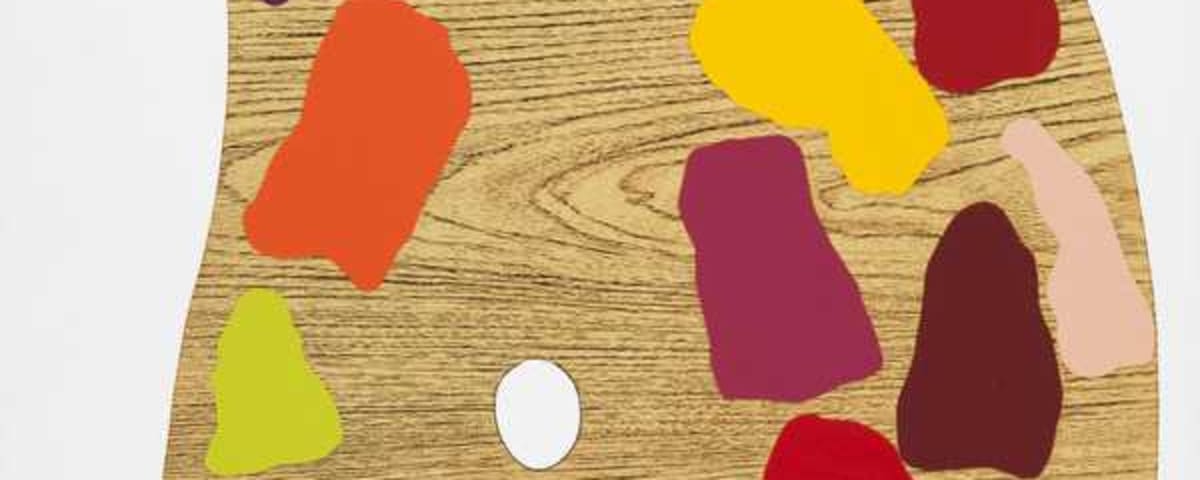
A palette is a smooth flat surface on which the artist lays out and mixes their paints before applying them to the picture; it often has a thumb-hole so that it can be conveniently held in the hand. The classic painter's palette is a thin wooden board of oval or rectangular shape, though glass, porcelain, metal and modern disposable paper palettes are also used. On it the artist prepares the required shades, adjusts the amount of paint and solvent and keeps an ordered set of colours at hand throughout the work. In a figurative, broader sense, "palette" refers to the characteristic set of colours of an artist or work — its colour range. Thus one speaks of a "cool" or "warm" palette, or of the restrained or saturated palette of a particular master. The way paints are arranged on the palette reflects the working method: some artists build a clear tonal series, others mix colours intuitively. In a still wider figurative sense the word is used beyond painting too — one speaks of a composer's tonal palette or a writer's palette of devices. Thus the palette is at once a concrete tool and a metaphor for artistic range.
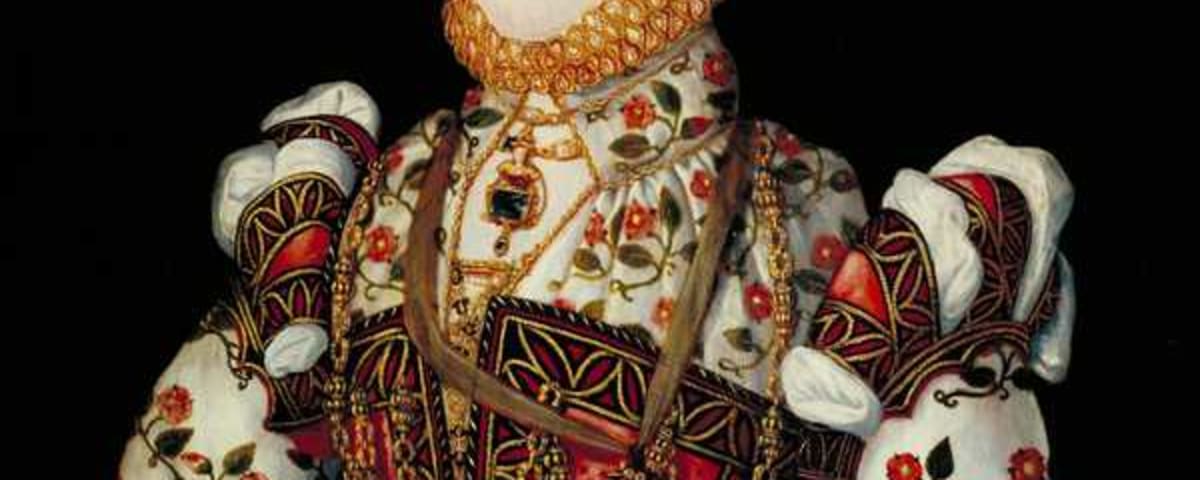
A panel in painting is a rigid support or surface for applying paint, as opposed to flexible stretched canvas. The most common historically was the wooden panel: a prepared board of oak, poplar, lime or another wood, covered with a gesso ground that gave a smooth white surface for tempera or oil. Wood provided a strong, stable base for fine and detailed work, so most easel pictures and altarpieces before the sixteenth century, as well as icons, were executed on panels. With the spread of canvas in Venice and Northern Europe, the panel gave way to it as the principal material because of canvas's lightness, cheapness and suitability for large formats, yet the panel never disappeared entirely. Wooden panels had a drawback — cracking and warping with changes in humidity — so conservators pay them particular attention. In the twentieth century artists returned to rigid supports, using plywood, hardboard, masonite and modern composite panels, which hold impasto well and do not deform. The term "panel" is also used for the individual parts of a polyptych and for wall panels.
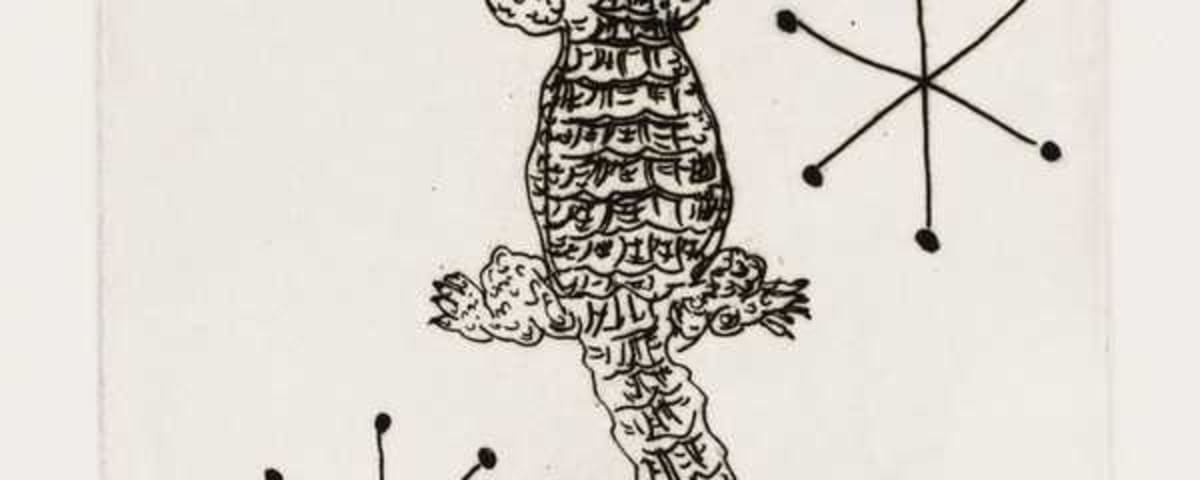
Paper is matted plant fibre formed into a thin sheet either by hand (the traditional method) or by machine (the modern method); artists use it as a surface for drawing, watercolour and printmaking. Paper is made from cellulose fibres — once chiefly from linen and cotton rags, now largely from wood pulp — which are pulped, suspended in water and lifted on a screen, after which the fibres interlock and dry into a strong sheet. The quality, texture, sizing and colour of the paper significantly affect the final appearance of a work. Paper was invented in ancient China, whence it spread through the Islamic world to medieval Europe, revolutionising drawing, book printing and printmaking. Different grades — from rough, grainy watercolour paper to smooth printmaking paper and thin Japanese sheets — serve the needs of particular techniques. In many cultures paper became an artistic material in its own right: in paper-cutting, origami, paper reliefs and installations. The Ukrainian folk vytynanka is a vivid example of turning plain paper into a distinctive decorative art. The fragility and sensitivity of paper require special conditions of storage.

Pastel is a coloured drawing material in the form of a stick, made of pure coloured pigment mixed with a minimal amount of a binder that holds it together. Because the pigment is scarcely diluted, pastel gives extraordinarily pure, bright and lightfast colours, and its velvety matte surface has a special softness. Pastel can be worked as line, hatching and layering tones, or as an area, rubbing the pigment with a finger or stump for soft transitions. Since the particles merely lie on the surface, the finished work is fragile and needs fixing and glazing under glass. Pastel occupies a middle ground between drawing and painting, so its works are called "pastels" and are counted among both graphics and painting. The technique flourished in the eighteenth century, when Rosalba Carriera and Maurice Quentin de La Tour created brilliant pastel portraits. In the nineteenth century Edgar Degas raised pastel to new heights, combining it with monotype and achieving vibrant colour in his scenes of dancers. Ukrainian artists also used pastel in portraiture and landscape. A distinction is made between soft, hard and oil pastel, each with its own expressive possibilities.
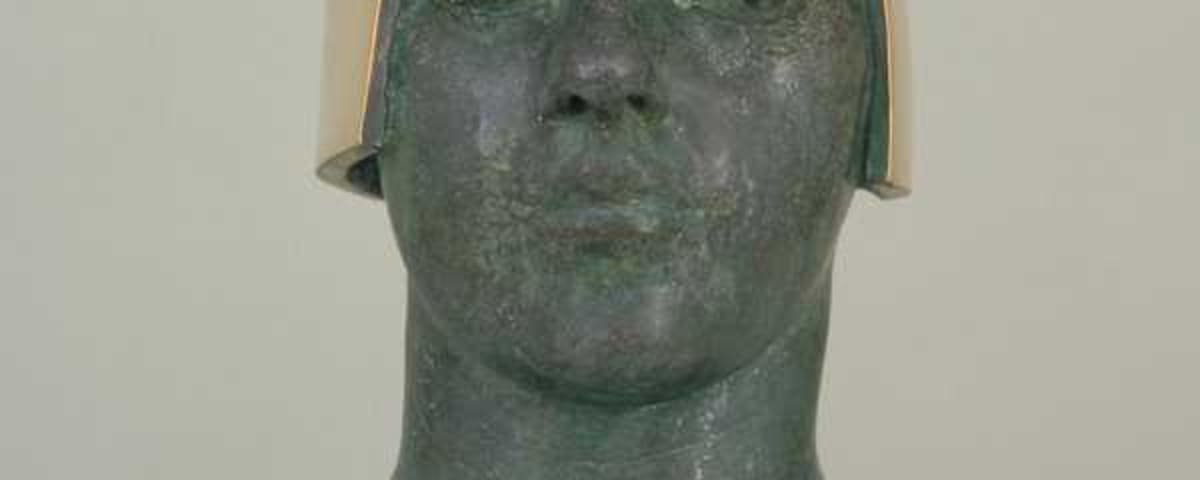
Patina usually refers to the distinctive green or brown surface layer that forms on bronze and other metal sculpture. Natural patina arises from the slow oxidation of metal under the action of air, moisture and time: copper and bronze become coated with greenish or blue-green compounds, while other metals acquire brown, black or silvery tones. Such a layer not only changes the colour of the work but also to some extent protects the metal from further corrosion, giving the sculpture a sense of age and nobility. Besides forming naturally, patina is often applied artificially: sculptors and founders treat the surface of bronze with chemical solutions and heat to obtain the intended colour and texture — from deep green to warm brown or near-black. Patina thus becomes a deliberate artistic means, emphasising form and the play of light on the surface. In a broader figurative sense, the word "patina" describes the sheen of time on any old objects — tarnished metal, worn wood — as well as the aesthetic value of the marks of ageing. Conservators carefully distinguish valuable historic patina from harmful products of corrosion.
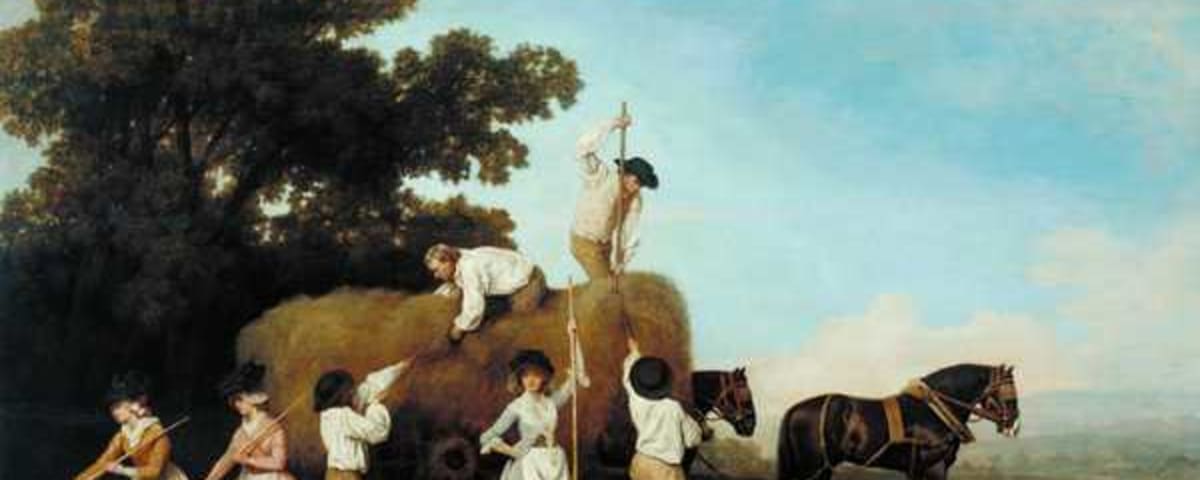
A pendant, or companion picture, is one of two works conceived to be displayed together as a matching pair. The term "pendant" (from the French for "hanging, corresponding") denotes two paintings of the same size and format, with a coordinated composition and usually a shared theme, intended to hang side by side — often symmetrically on either side of a door, fireplace or central image. Together they form a balanced ensemble in which each half complements and "answers" the other. The practice of making companion pictures was especially widespread in European art of the seventeenth and eighteenth centuries. A classic example is the pendant portraits of a married couple, in which husband and wife are depicted separately but turned towards each other, forming a single pair. Pendants could also be landscapes — morning and evening, for instance — or allegorical subjects complementing one another in meaning. Symmetrical hanging was an important part of the decorative scheme of palace and country-house interiors. Recognising works as pendants matters for art history and museum practice, since separating a historically linked pair destroys the dialogue between the images that the artist intended.
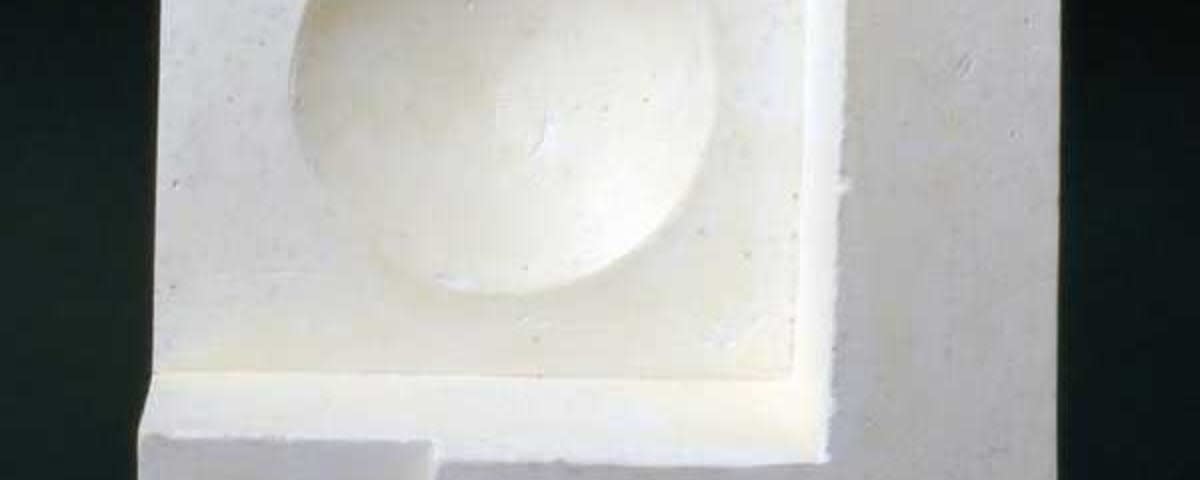
Plaster of Paris is a fine white powder which, mixed with water, forms a pliable paste that quickly sets into a white solid mass. Chemically it is calcium sulphate hemihydrate, obtained by calcining natural gypsum stone. As it sets, the mass expands slightly and reproduces the finest details of a mould precisely, which makes plaster an indispensable material in sculpture and casting. It is used to make models, moulds for casts, casts themselves and architectural decoration. In the sculptural process plaster plays a key role as an intermediate material: a clay model is translated into a strong plaster cast, from which the final work is then executed in bronze or marble. Plaster casts of ancient statues served for centuries as teaching aids in art academies, including Ukrainian art schools, where students mastered drawing and modelling from life. Plaster is also used in medicine, construction and decorative finishing owing to its cheapness, ease of working and whiteness. Its drawbacks — brittleness and sensitivity to moisture — limit its use as a final display material.
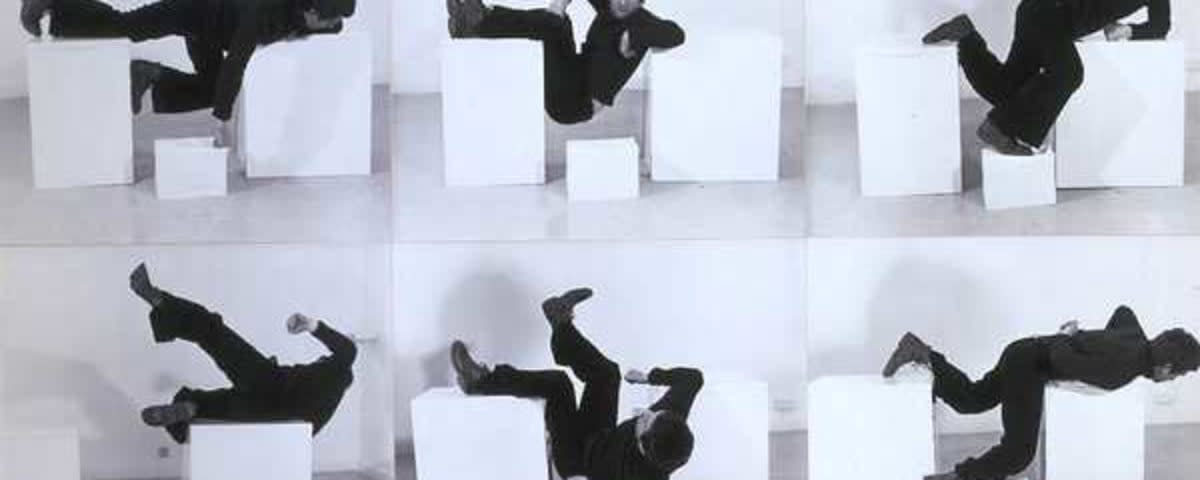
A plinth is a heavy base, pedestal or box on which a sculpture stands and is presented. The plinth raises the work above the level of the floor or ground, separates it from the surrounding space and brings it into the viewer's field of vision at the required height, while also physically stabilising the statue. The form of the plinth — a plain cube, a cylinder or a moulded pedestal — affects the perception of the sculpture: it can emphasise the work's monumentality or, conversely, recede unobtrusively, giving all attention to the sculpture itself. Historically the pedestal was an integral part of monumental and easel sculpture, often adorned with reliefs, inscriptions or architectural decoration. In the twentieth century, however, attitudes to the plinth changed radically: Constantin Brâncuși began treating the pedestal as part of the work itself, while Minimalists and Land-art figures often dispensed with it altogether, placing sculpture directly on the floor to break the "pedestal-viewer" hierarchy and involve real space. Thus the plinth was transformed from a purely utilitarian support into an independent subject of artistic reflection on the status and limits of the sculptural work.
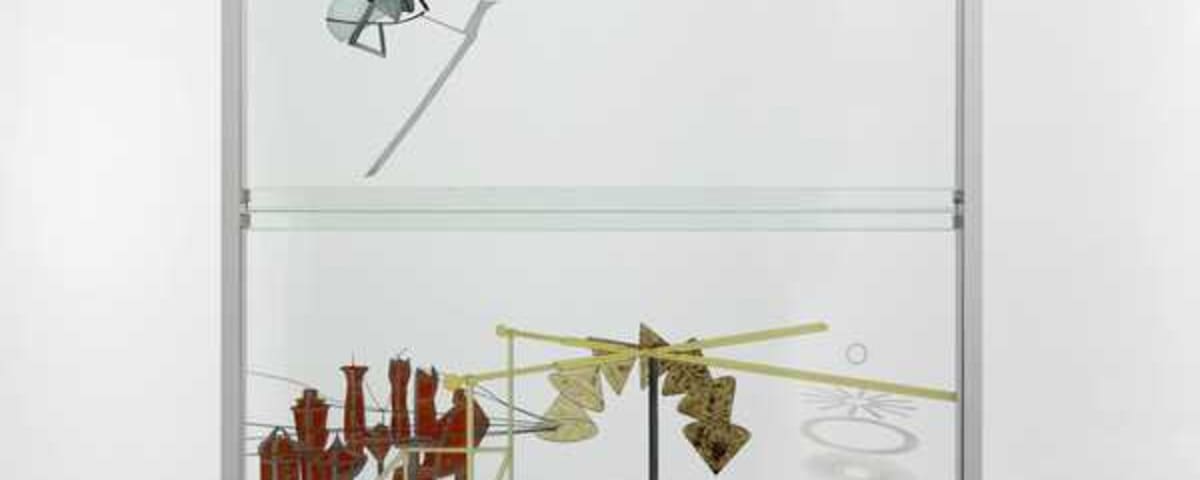
A replica is a copy of a work of art that is practically indistinguishable from the original in size, material and execution. Unlike an ordinary copy made by an outside hand, the classic replica is often created by the author of the original, or in the author's workshop under supervision, when the artist repeats a successful composition to the order of another client. Because of this the replica has a special status: it is an authentic work by the same master rather than a later imitation, although it is not the primary, "first" version of the conception. The practice of making replicas was widespread throughout the history of art: successful portraits, altarpieces or popular compositions were repeated to meet demand. In sculpture, authorised casts from the same mould are often called replicas. The term requires precision in art history, for it must be distinguished from the notions of "version" (a variant with differences), "copy" (executed by another hand) and "forgery" (deliberately passed off as an original to deceive). In museum and exhibition practice, replicas are also made for display in place of fragile or lost originals, thereby preserving public access to monuments.
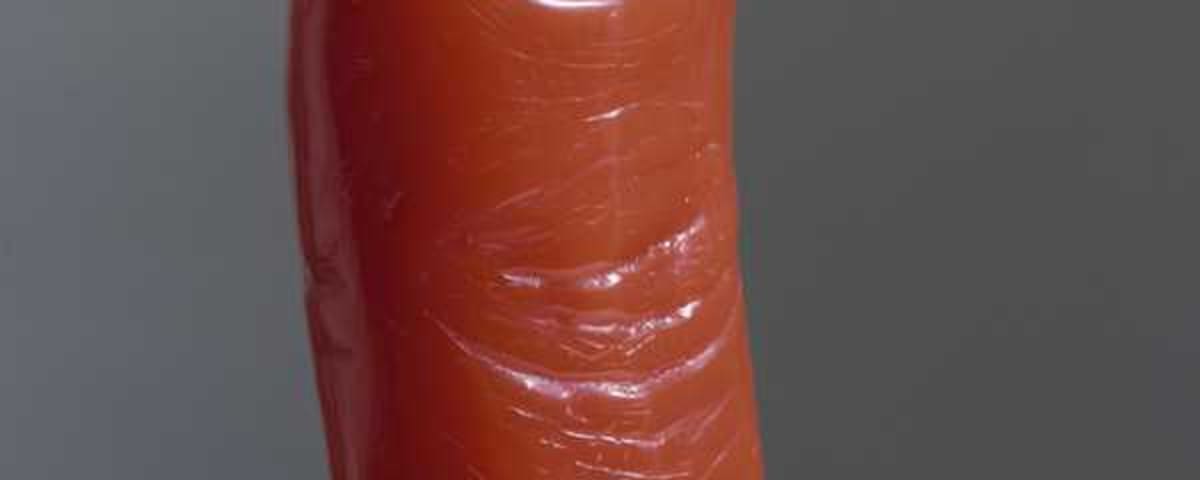
Resin is a usually transparent solid or semi-solid substance sometimes used by sculptors as a material for works and casts. A distinction is made between natural resins secreted by trees (such as amber or rosin) and modern synthetic resins — polyester, epoxy and polyurethane — which, as a liquid, are mixed with a hardener and poured into a mould, where they set into a strong, light and durable mass. Synthetic resins can be crystal-clear, tinted or filled with dyes and metal powder, giving a wide range of effects. Thanks to its transparency, lightness and ability to reproduce the fine details of a mould, resin became a popular material in the twentieth and twenty-first centuries. It is used for reproduced sculptures, design objects and jewellery, and for unique works in whose depth the artist "embeds" objects or creates the effect of frozen water and light. The transparency of resin allows play with the interior space of an object, which opaque metal or stone cannot. At the same time, working with resins requires care because of the toxicity of the fumes, so artists observe safety precautions. Resin is also widely used in conservation and as an artist's varnish.
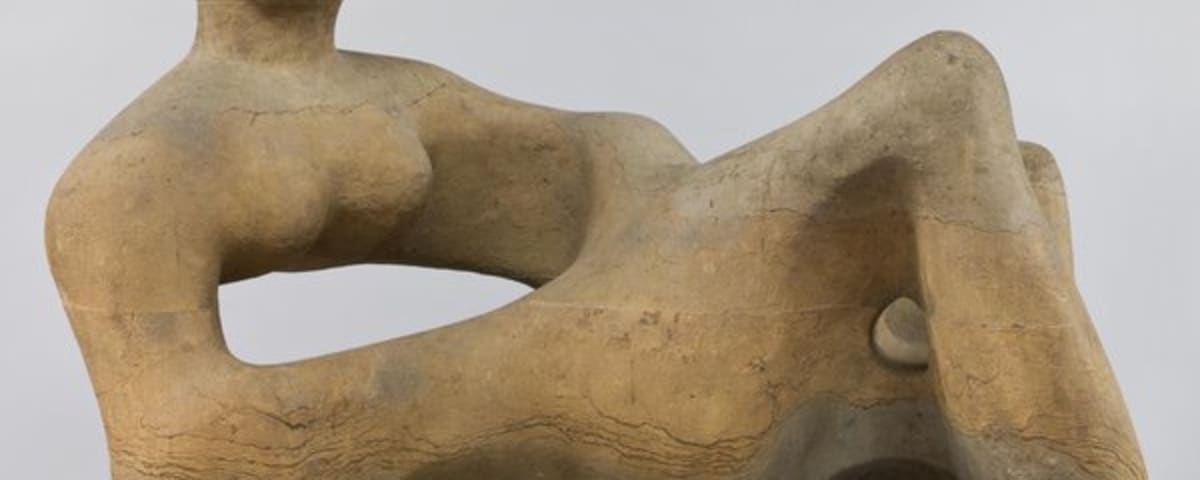
Sculpture is the three-dimensional visual art whose works are created by one of four main processes: carving, modelling, casting or constructing. Carving (a subtractive method) consists in removing material from a block of stone or wood; modelling (an additive method) in shaping form from a soft material such as clay or wax; casting translates a model into metal through a mould; constructing (assemblage) joins separate elements into a single whole. Sculpture exists in real space, can be viewed from different sides, and the play of light on its volumes and textures is an important part of its expressiveness. A distinction is made between sculpture in the round, which can be walked around, and relief, which projects from a plane. The history of sculpture reaches back to prehistoric figurines and continues through the grandeur of Egyptian, Greek and Roman work, the Gothic, the Renaissance with Michelangelo, the Baroque of Bernini and on to the modern era, when Rodin renewed the language of form and the twentieth century gave rise to abstract, kinetic and constructed sculpture. The Ukrainian tradition of sculpture embraces medieval Rus carving, Baroque ornament, monumental work and modernism, represented by masters such as Alexander Archipenko, who radically rethought volume and void in world sculpture.

Sound art is art about sound that uses sound both as its medium and as its object of inquiry. Unlike music, which is subordinated to melody, rhythm and harmony within a temporal composition, sound art focuses on the physical and perceptual nature of sound itself: its timbre, spatiality, silence, noise and the acoustic properties of an environment. Works often take the form of sound installations, in which sound unfolds within a specific space, and the viewer-listener, by moving through it, becomes a participant in the sound field. The roots of the field lie in the Futurists' experiments with the "art of noises," in the work of John Cage, who radically rethought silence and chance, and in the activity of Fluxus and early electronic music. Artists such as Max Neuhaus (credited with the very term "sound installation"), Bill Fontana and Christina Kubisch created spaces where sound becomes a sculptural and spatial experience. Sound art is closely linked with new media, performance and Conceptualism, and its works are shown in galleries, museums and public space. Ukrainian artists also work in this field, combining sound practices with the exploration of memory, landscape and the urban environment.
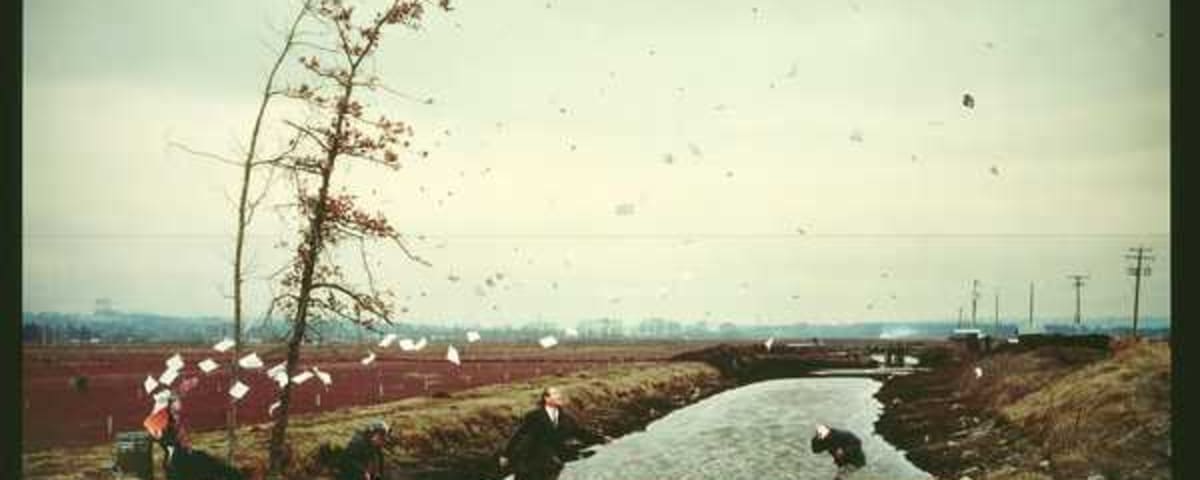
A tableau is a painting in which the figures are arranged for pictorial or dramatic effect and appear wholly absorbed in their actions, entirely unaware of the presence of the viewer. The term comes from the French tableau ("picture") and in art theory denotes a composition that presents itself as a self-sufficient, closed scene, as if a frozen moment of action. The figures do not "play to the audience" or address the viewer with a look or gesture, but behave as though the fourth wall between the picture and the onlooker did not exist at all. The notion of the tableau was developed in the eighteenth century by the philosopher Denis Diderot, who opposed the truthful absorption of figures in their action to artificial theatricality. Later the art historian Michael Fried, in his studies of "absorption" and "theatricality," showed how important this strategy was for the development of European painting from Chardin and Greuze onward. A related notion is the "living picture" (tableau vivant), in which live people froze in poses to reproduce a well-known painting. The idea of the tableau also influenced photography and cinema, where the staged, carefully composed "tableau" became a distinct expressive device of framing.
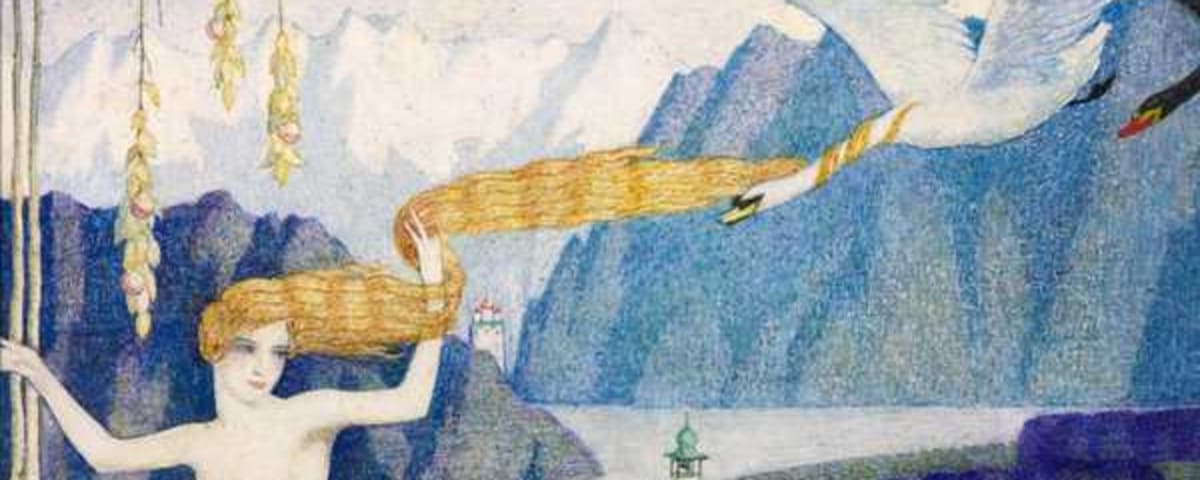
Tempera is a painting technique using pigments bound in a water-soluble emulsion, most often based on egg yolk (egg tempera), or in an oil-and-water emulsion of oil and whole egg. Mixed with water, the paint is applied to a prepared surface in thin, transparent layers; it dries quickly, becoming water-resistant, and in time acquires a pleasant matte hardness. Because of its rapid drying, tempera cannot be blended directly on the surface, so artists model form with small strokes and glazes, laying one layer over another. Tempera was the principal technique of easel and icon painting in late antiquity, Byzantium and the European Middle Ages, until the spread of oil at the end of the fifteenth century. The celebrated altarpieces of the early Renaissance were painted in it; masters used it on wooden panels covered with gesso. In the Byzantine-Rus and later Ukrainian icon-painting tradition, egg tempera was the principal material, and many icons were executed in it. In the twentieth century interest in tempera revived: artists valued its pure, luminous colour, durability and the discipline of the technique. Tempera remains in the arsenal of icon painters and painters who seek a strict, stable and translucent colouring today.
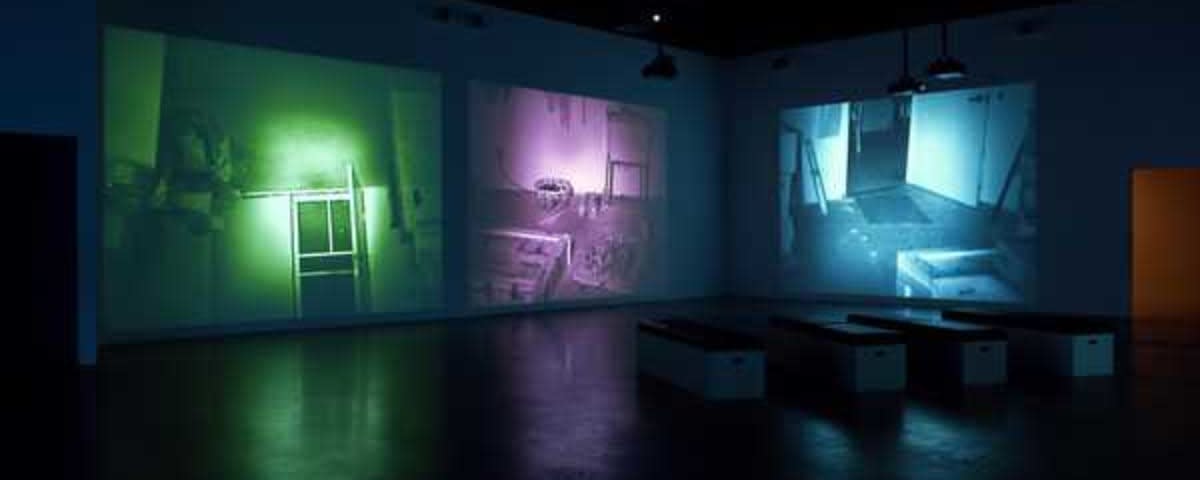
Time-based media is art that depends on technology and has a durational, temporal dimension; it unfolds over time and must be played back for the viewer to perceive it. This category includes video art, film, slide projections, sound works, computer and digital installations, and performances recorded for display. Unlike a painting or sculpture, which the viewer grasps in a single moment, time-based media have a beginning, a duration and an end, and often a definite sequence of events, so that the factor of time becomes an integral part of the artistic content. The field took shape in the second half of the twentieth century with the arrival of affordable video equipment; pioneers of video art, notably Nam June Paik, as well as performance artists, began using technical carriers for works that could not be reduced to a static object. The term "time-based media" acquired particular importance in museum and conservation practice, since preserving such works requires care not for a physical object but for equipment, formats, files and display instructions that become obsolete over time. Museums therefore develop special strategies of conservation, documentation and data migration to ensure the longevity of art built on technology and time.

A triptych is a work of art composed of three panels or sections, usually unified by a shared theme or composition. The central panel is typically the largest, while the two side wings can fold inward to protect the main image. The format originated in early Christian and medieval art, where triptychs functioned as altarpieces for churches and private devotional spaces. The three parts often symbolised the Trinity or allowed a narrative to unfold across a sequence of scenes. During the Renaissance and the Northern Renaissance the triptych flourished in the hands of masters such as Hans Memling and Hieronymus Bosch, whose Garden of Earthly Delights is a celebrated example. In Ukrainian sacred art the tradition of folding devotional images likewise appeared in icon painting and iconostasis design. In the twentieth century artists such as Francis Bacon revived the triptych as a secular form, using three panels for psychological tension and the juxtaposition of images. Today the term also applies to photography, video and installation, where a threefold structure organises the viewer's perception.
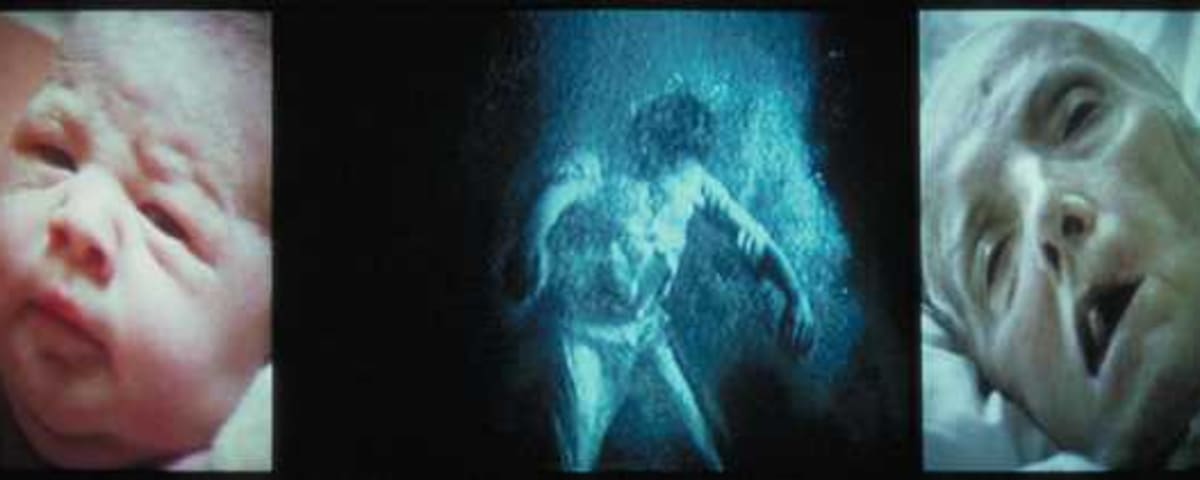
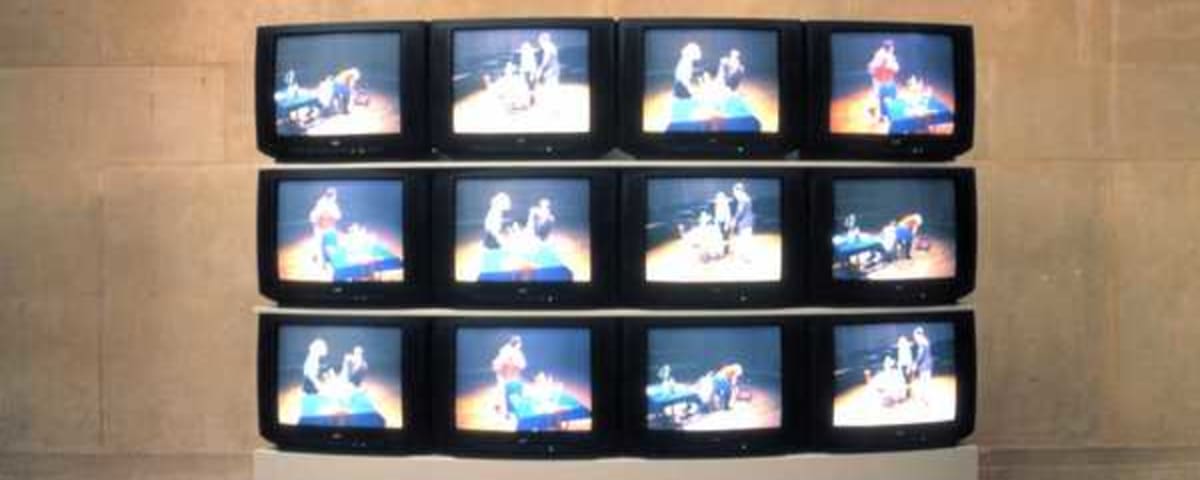
Video as an art form (video art) is art based on moving images that involves the use of video and/or audio data. Unlike film or television, video art usually lacks a commercial narrative structure and instead explores time, duration, the body, space and the medium itself. The form emerged in the late 1960s when affordable portable video cameras, notably the Sony Portapak, allowed artists to record and immediately replay footage. Nam June Paik is regarded as a pioneer, and his experiments with television sets and monitors laid the foundations of the genre. Video art developed through performance, closed-circuit installations and multi-channel projections; influential figures include Bill Viola and Bruce Nauman. As digital technology and projectors spread, video became one of the central media of contemporary art, often integrated into large-scale installations. In Ukraine video art developed vigorously from the 1990s in the practices of contemporary artists who used the moving image to reflect on memory, identity and social transformation.
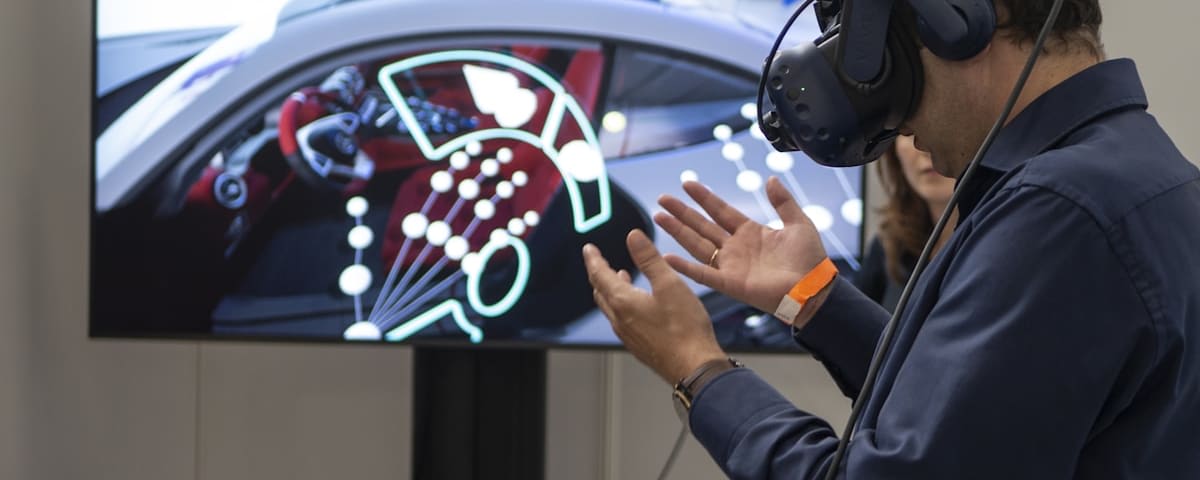
Virtual reality (VR) is a technology that allows a person to interact with a computer-simulated environment that may be based on either a real or an imagined place. Immersion is achieved through headsets, stereoscopic displays, spatial audio and motion sensors that track the position of the user's body and head, producing a sense of presence within a three-dimensional space. Concepts of artificial environments reach back to mid-twentieth-century experiments, including Morton Heilig's Sensorama device and the early head-mounted displays developed by Ivan Sutherland in the 1960s. The term virtual reality was popularised by Jaron Lanier in the late 1980s. In contemporary art VR has become an expressive medium that lets artists build entire worlds explored from within, dissolving the boundary between the work and the participant. Artists use VR for immersive installations, first-person storytelling and social commentary. The technology is closely linked to augmented reality and raises new questions about embodiment, perception and authorship in the digital age.
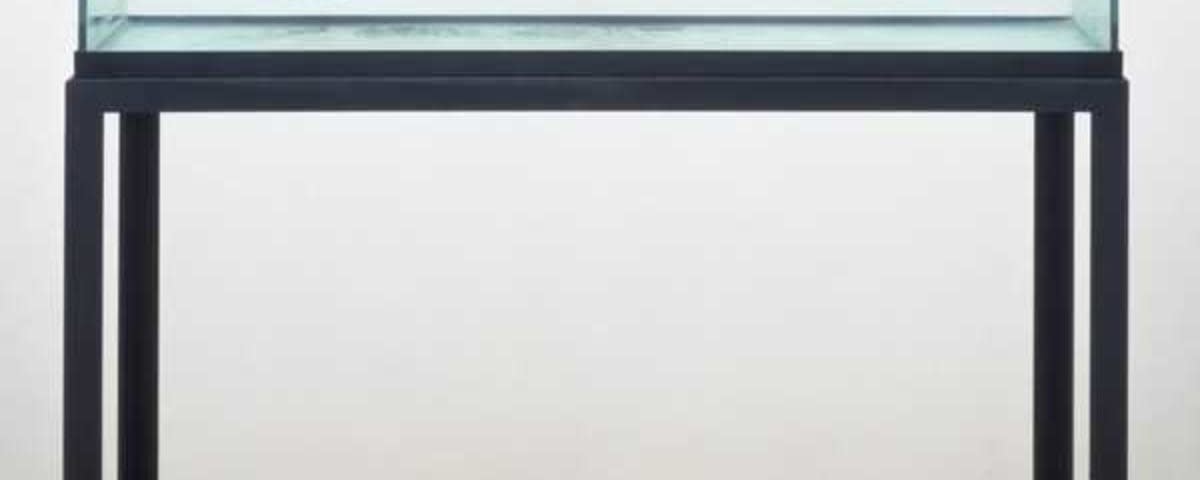
A vitrine is a large glass cabinet or glazed case used to display works of art, artefacts or valuable objects. Its transparent walls allow the viewer to examine the contents from all sides while protecting them from dust, moisture, theft and touch. Vitrines are a fundamental element of museum and gallery practice, especially for showing fragile, small or historically significant items, from archaeological finds and jewellery to manuscripts. In the art of the twentieth and twenty-first centuries the vitrine became an expressive means in its own right. Artists began to use the form of the vitrine itself as part of the work, questioning the ways objects are displayed, museumified and given value. Among the best-known examples are the works of Joseph Beuys, who placed symbolic objects inside glass cases, and Damien Hirst with his glazed installations. By placing ordinary or provocative things inside a vitrine, the artist elevates them to the status of an exhibit while critically examining the institutional mechanisms of display and collecting.