




Maquette
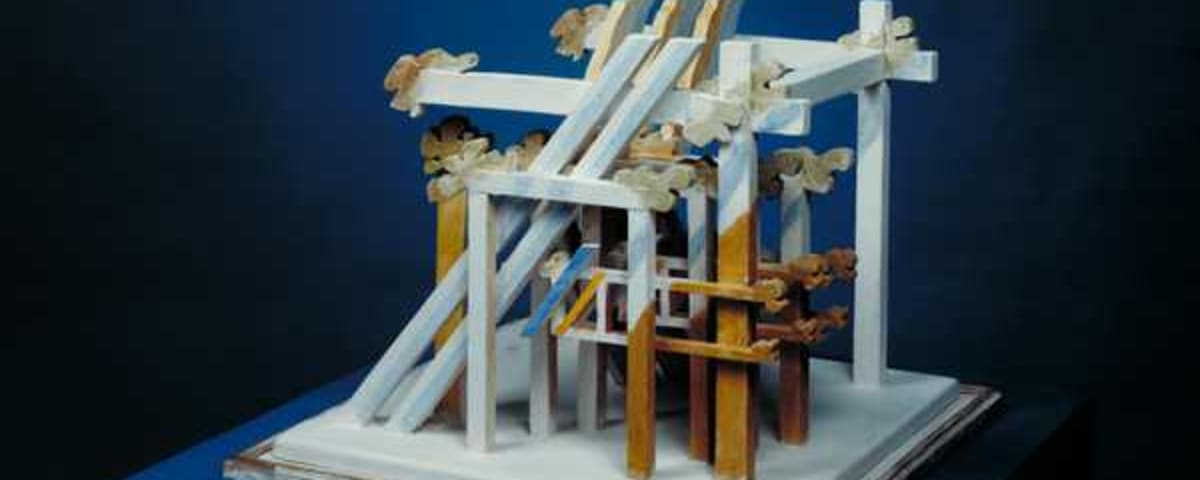
A maquette is a preliminary model, usually small in size, for a larger sculptural or architectural work. The word comes from the French maquette (from the Italian macchietta, meaning "little sketch"), and in sculpture it denotes a rough three-dimensional study in which the artist works out the overall composition, proportions, mass and silhouette of the future work before executing it in its final material and scale. A maquette is often modelled in clay, wax, plaster, plasticine or card; it plays the same role as a preparatory drawing in painting. Maquettes are valuable both as a working tool and as independent works of art that preserve the immediacy of the artist's conception. They allow the course of creative thought to be traced, so museums prize them as evidence of process. In monumental sculpture, a maquette is submitted for monument competitions, used to approve a project and then scaled up to full size. Ukrainian sculptors working on monuments and garden sculpture invariably began with maquettes. The term is also used in architecture, stage design and filmmaking for three-dimensional models of buildings and sets.




