




Internet Art
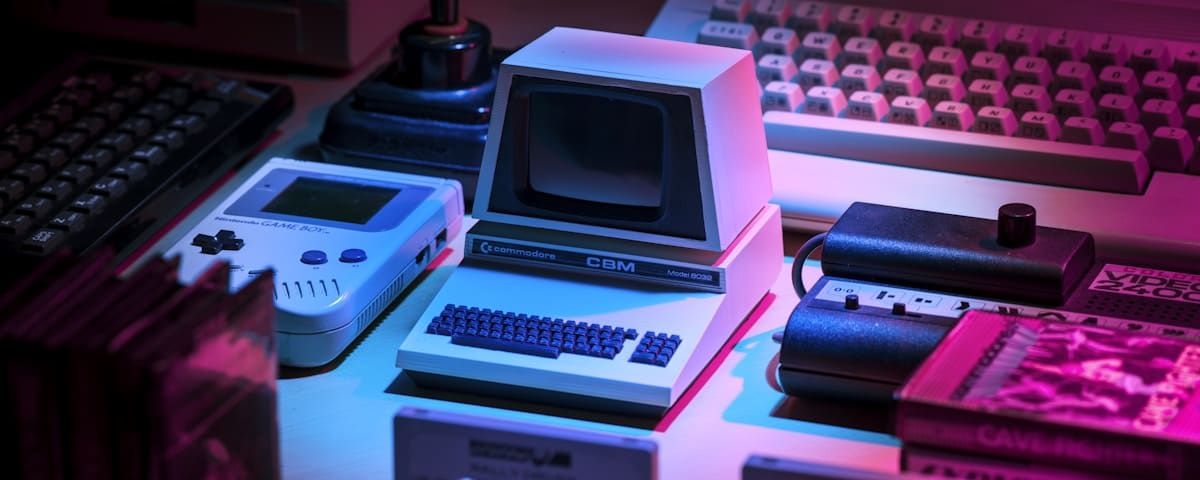
Internet art is art made on and for the platform of the Internet, also known as net art or net.art. Instead of the gallery space, its environment is the web browser, the web page, email, social networks or the code of the protocol itself; a work may be a link, a website, a bot or a performance unfolding in real time online. Its key features are accessibility without institutional mediation, interactivity, community participation and reflection on the very nature of the network — its structure, errors, surveillance and culture. The movement took shape in the mid-1990s, when artists such as Vuk Ćosić, Olia Lialina, the group JODI, Alexei Shulgin and Heath Bunting began using browser glitches, hypertext and HTML as artistic means. The term net.art, by legend, was born from an accidentally corrupted email. Later came the post-internet wave, reflecting on the ubiquity of the digital in physical life. Internet art poses questions of authorship, reproducibility, privacy and collective creativity; Ukrainian media artists also take part in these practices, working with networked imagery and digital activism.




