Ukrainian art & cultureOnline


Other dimensions of culture
Other dimensions of culture





Test mode: all content on this site is for testing and will be removed at launch.
Art Glossary
Ukrainian Art&Culture online glossary of art terms covers movements, styles and techniques such as Impressionism, Printmaking, Video art and more.
from Realismto Cyberpunk
34from Oilto 3D Modeling
8from Paintingto Design
7from Trypilliato Contemporary
2372 terms
The Académie Colarossi was a private art school in the Montparnasse district of Paris, founded in the second half of the nineteenth century by the Italian sculptor Filippo Colarossi. It arose as a democratic alternative to the official and conservative École des Beaux-Arts: tuition was inexpensive, foreign students were welcomed, and life-drawing classes were available daily. The academy's particular significance lay in being among the first to admit women artists and, unlike the state school, to allow them to draw from the nude male model on equal terms with men. Colarossi's studios attracted numerous artists from around the world, including Scandinavian, American, and British painters who came to Paris for a European training. Together with the neighbouring Académie Julian, the school became an important centre of the cosmopolitan artistic life of turn-of-the-century Montparnasse, until it finally closed its doors in the 1930s.

The Bauhaus was a revolutionary school of art, architecture, and design founded by the pioneer of modern architecture Walter Gropius in Weimar, Germany, in 1919. Its founding idea was to unite the fine arts, craft, and industrial production into a single whole serving the needs of mass society; the principle "form follows function" (a phrase coined by the American architect Louis Sullivan) and the rejection of superfluous ornament defined the face of twentieth-century modernism. Training began with a compulsory preliminary course, and the workshops were led by outstanding artists—Paul Klee, Wassily Kandinsky, László Moholy-Nagy, Johannes Itten, and Oskar Schlemmer. Under political pressure the school moved in 1925 to Dessau, where Gropius built for it the famous glass-and-concrete building, and later to Berlin; its final director was the architect Ludwig Mies van der Rohe. Forced to close by the Nazis in 1933, the Bauhaus saw its teachers scatter across the world and spread its ideas, permanently transforming architecture, graphic and industrial design, and art education.
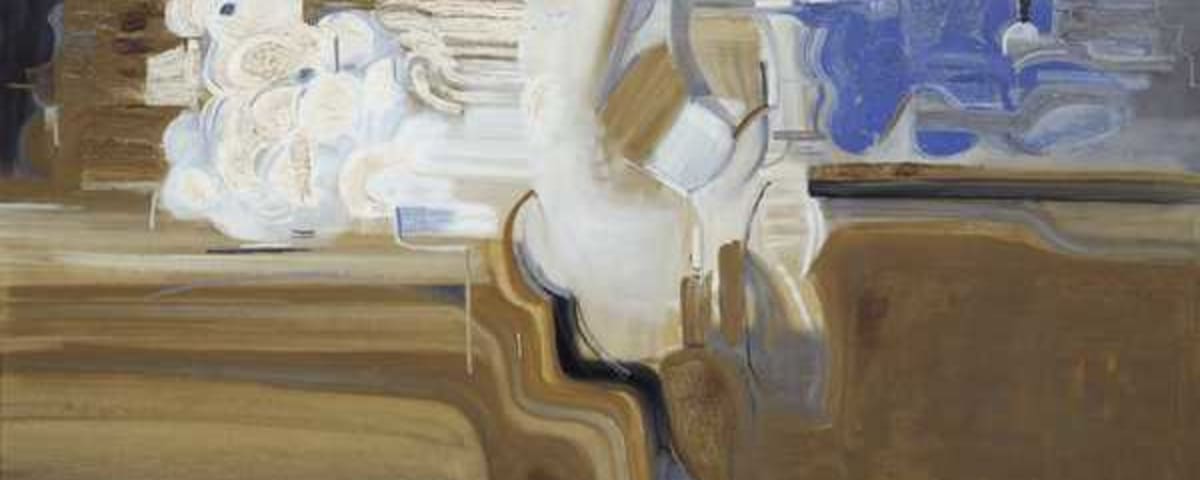
Beaux Arts Quartet was the name given to a group of four young British realist painters whose work was shown at the Beaux Arts Gallery in London in the early 1950s. The quartet comprised John Bratby, Derrick Greaves, Edward Middleditch, and Jack Smith, and their patron was the gallery's owner and director Helen Lessore, who consistently championed figurative painting against the fashion for abstraction. The artists depicted the ordinary, often bleak everyday life of post-war working-class Britain—cramped kitchens, sinks, food scraps, and shabby interiors—for which the critic David Sylvester coined the broader name "Kitchen Sink School." Their rough, earthy-coloured style echoed the contemporary "Angry Young Men" movement in literature and theatre. In 1956 the four painters represented Great Britain at the Venice Biennale, attesting to the importance of this tendency for mid-century British art.
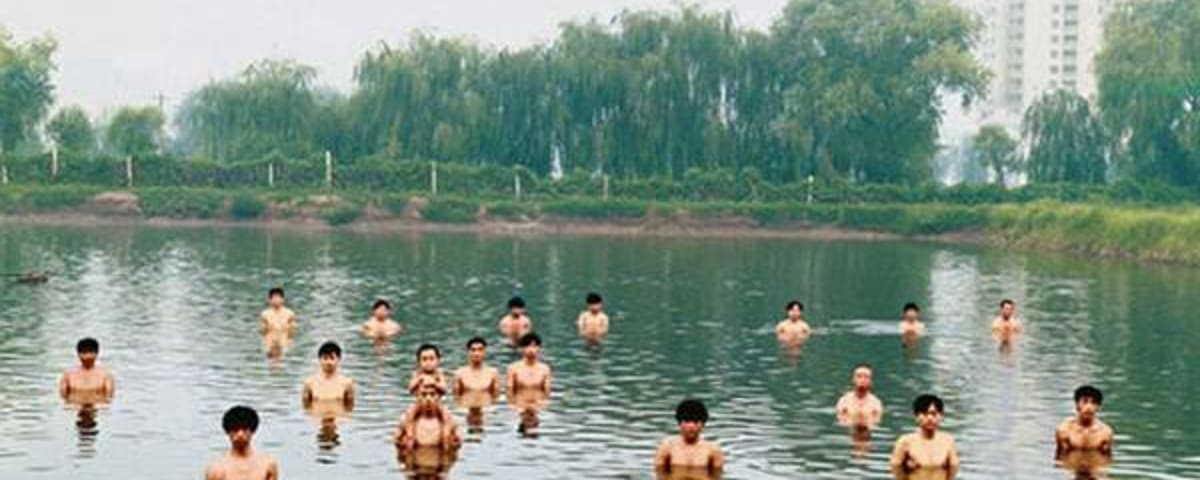
Beijing East Village was a short-lived, politically charged Chinese art collective that came to prominence in the early 1990s. Its name refers both to a poor migrant settlement on the eastern outskirts of Beijing where the artists lived and, ironically, to the bohemian art scene of New York's East Village. In squalid conditions the young artists concentrated on radical performance and photography of the body, exploring the limits of endurance, identity, and the relationship between the individual and a repressive society. Key figures were the performance artists Zhang Huan and Ma Liuming, along with the photographer Rong Rong, who documented their actions and preserved them for history. Works such as Twelve Square Metres and To Add One Metre to an Anonymous Mountain (1995, made by former residents after the community had been disbanded) became canonical examples of the Chinese avant-garde. Official pressure and arrests led to the community's dissolution by around 1994, yet the East Village remained a turning point in the emergence of contemporary Chinese performance art.
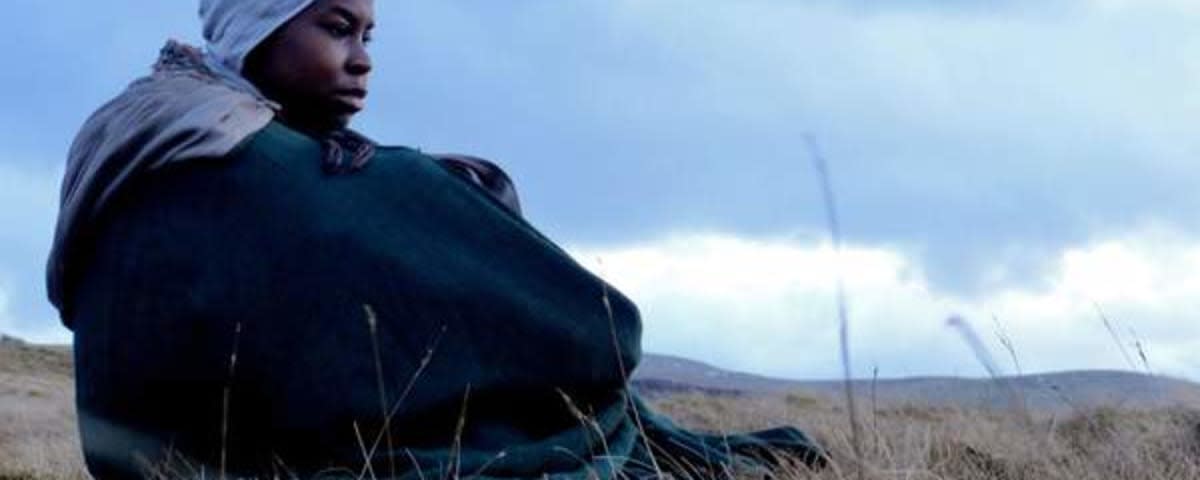
Black Audio Film Collective was a pioneering artistic initiative founded in 1982 whose experimental film practice engaged with Black popular and political culture in Britain and explored the country's new multicultural reality. The collective comprised seven artists, among whom the central figure was the director and theorist John Akomfrah, together with Reece Auguiste, Lina Gopaul, Avril Johnson, David Lawson, Trevor Mathison, and Edward George. The group worked in the mode of the "film essay," combining documentary footage, archival material, poetic voice-over, sound collages, and theoretical reflection on memory, diaspora, and race. Its landmark film Handsworth Songs (1986), made as a response to the uprisings in British cities, won recognition and awards and became a model of politically engaged avant-garde cinema. After disbanding in 1998, its members, notably Akomfrah, continued influential careers, and the collective's legacy remains foundational for Black British art.
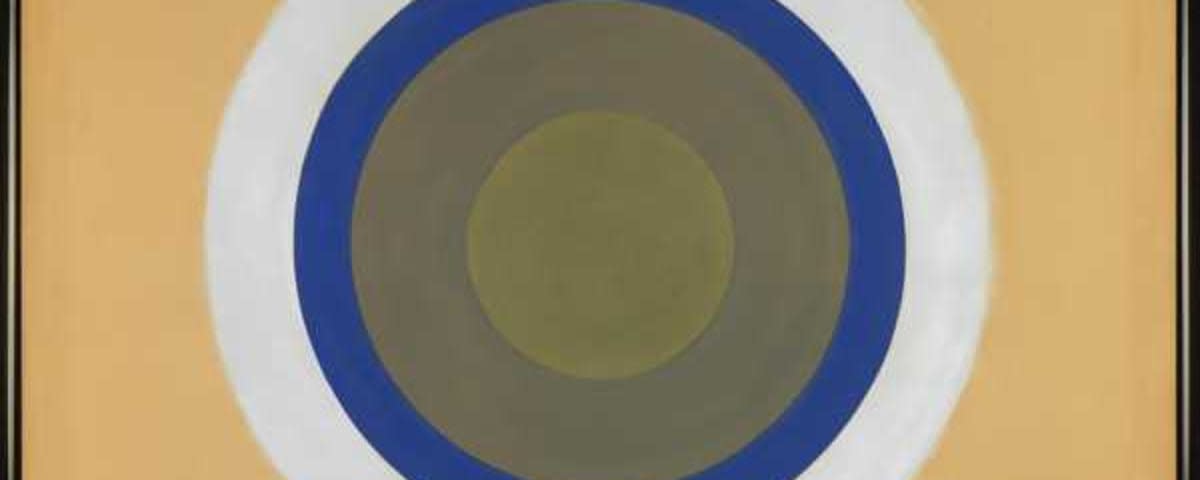
Black Mountain College was a highly influential educational institution founded in the town of Black Mountain, North Carolina, USA, in 1933, where education was experimental and centred on an interdisciplinary approach. At the heart of its programme lay the idea that art was central to a liberal education, and the college itself was governed democratically by its own faculty and students, who worked and farmed the land together. Its first leading art teacher was Josef Albers, a refugee from the Nazi-closed Bauhaus, who brought European modernist teaching methods with him. Faculty and visitors over the years included the composer John Cage, the choreographer Merce Cunningham, the architect and inventor Buckminster Fuller, and the poets and painters Robert Motherwell, Willem de Kooning, and Robert Rauschenberg. It was here that one of the first "happenings" took place, and the crossing of ideas among disciplines nourished the post-war American avant-garde. Financial difficulties forced the college to close in 1957, but its impact on American art, dance, and music is hard to overstate.
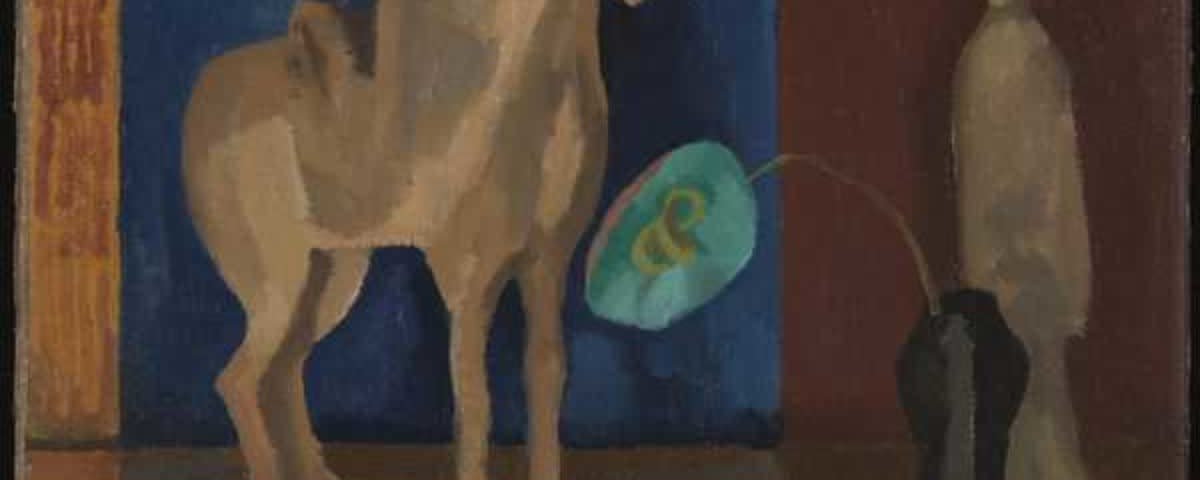
Bloomsbury, or the Bloomsbury Group, was a circle of intellectuals, writers, and artists who lived in the Bloomsbury district near the centre of London roughly between 1904 and 1940. The group had no formal programme and was held together by friendship, shared aesthetic and ethical views, and a disdain for Victorian propriety. Its members included the writer Virginia Woolf and her sister, the painter Vanessa Bell, the critic and art theorist Roger Fry, the painter Duncan Grant, the art critic Clive Bell, the economist John Maynard Keynes, and the writer Lytton Strachey. In the visual arts the leading role was played by Roger Fry, who in 1910 organised in London the exhibition that introduced the British public to the Post-Impressionism of Cézanne, Van Gogh, and Gauguin; he also, together with Bell and Grant, founded the decorative Omega Workshops. Bloomsbury championed the theory of "significant form" and aesthetic experience and had a substantial influence on the development of modernism in British literature, painting, and design.
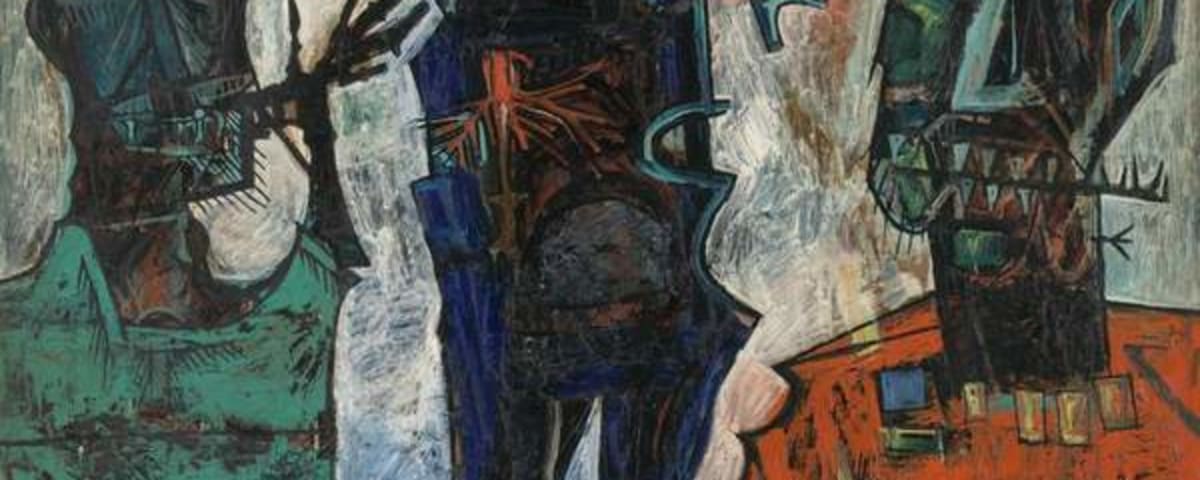
The Bombay Progressive Artists' Group was a short-lived but decisive association for Indian modernism, founded in 1947 in Bombay, the same year India gained independence. The group challenged the conservative academic tradition and colonial salon painting, as well as the sentimental nationalism of the Bengal School, seeking to create a new Indian visual language that would be at once modern, cosmopolitan, and rooted in its own culture. Its founder is generally considered to be Francis Newton Souza, and its core included Maqbool Fida Husain, Sayed Haider Raza, Krishnaji Howlaji Ara, Sadanand Bakre, and Hari Ambadas Gade. The artists creatively reinterpreted European modernism—Cubism, Expressionism, the painting of Matisse and Picasso—through the lens of Indian themes, myths, and folk art. Although the group formally dissolved in the early 1950s as its members scattered across the world, it laid the foundations of modern Indian art, and its members became the country's most celebrated masters.
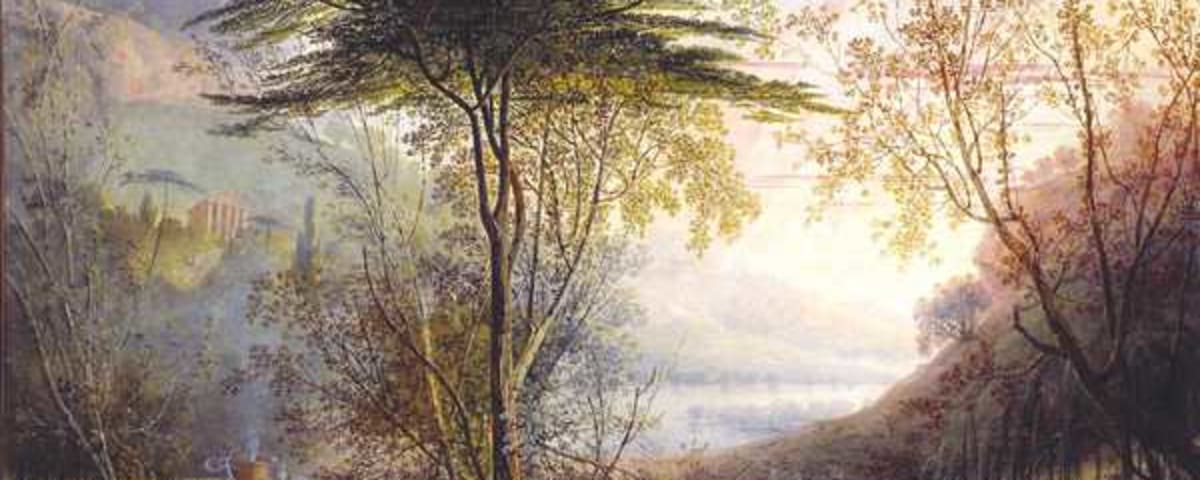
The Bristol School was an informal grouping of artists associated with the city of Bristol in the west of England in the early 1800s who drew inspiration from the local landscape, particularly the River Avon and the picturesque Avon Gorge. Unlike academic associations, it was more a fellowship of amateur and professional artists who went out together on sketching excursions to scenic spots around Bristol and held evening sketching meetings to exchange ideas. The leading figure of the circle was the Irish-born painter Francis Danby, whose poetic, often twilit and moonlit landscapes set the mood for the whole group; alongside him worked Edward Villiers Rippingille, Samuel Jackson, and James Johnson. The Bristol School artists cultivated a Romantic attitude to nature, an attention to atmospheric effects of light and melancholy mood, drawing on the example of Claude Lorrain and early English landscape. Although the group never achieved national fame, it became an important centre of provincial Romantic landscape and left behind a distinctive regional tradition.
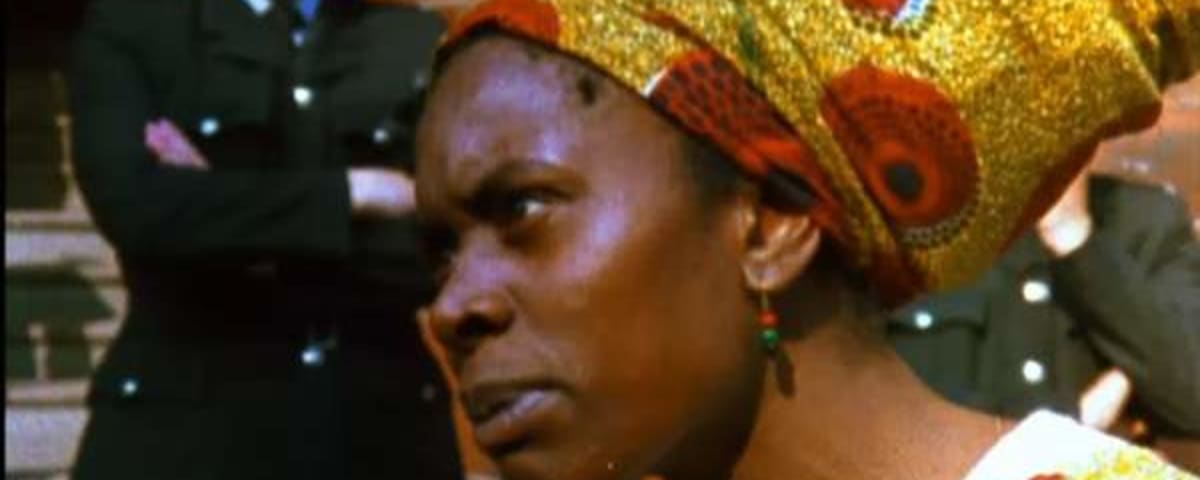
The British Black Arts Movement was a radical political art movement that arose around 1982 and, inspired by anti-racist discourse and feminist critique, sought to foreground questions of race and gender and the politics of representation. The movement brought together a young generation of Black and Asian artists in Britain—mostly the descendants of post-war migrants from the Caribbean, Africa, and South Asia—who felt that the official art world ignored or exoticised them. The catalyst was the first National Black Art Convention convened by the Blk Art Group in Wolverhampton in 1982. Among its leading figures were Isaac Julien, Sonia Boyce, Lubaina Himid, Keith Piper, Donald Rodney, Eddie Chambers, and Marlene Smith. The artists worked with collage, photography, installation, video, and painting, exploring colonial legacies, diasporic identity, and the experience of life in Thatcher's Britain. The curator Lubaina Himid organised several landmark exhibitions, and the movement permanently changed ideas about who and what is represented in British museums and galleries.

The Camden Town Group was a British Post-Impressionist association founded by the painter Walter Sickert in London in 1911 and named after the then-poor district of Camden Town, where Sickert lived and worked. The group had sixteen members—all men—among them Spencer Gore (its first president), Harold Gilman, Charles Ginner, Robert Bevan, and Lucien Pissarro, son of Camille Pissarro. The artists absorbed the lessons of French Post-Impressionism, familiar to them through Roger Fry's exhibitions, and applied bright, broken touches of colour to the depiction of the prosaic, sometimes bleak everyday life of modern London: cramped furnished rooms, music halls, streets, and nudes in ordinary interiors. Sickert defended art's right to address the unglamorous sides of urban life. Short-lived, the group merged in 1913 with other associations into the broader London Group, yet it left a marked imprint on the emergence of British modernism.
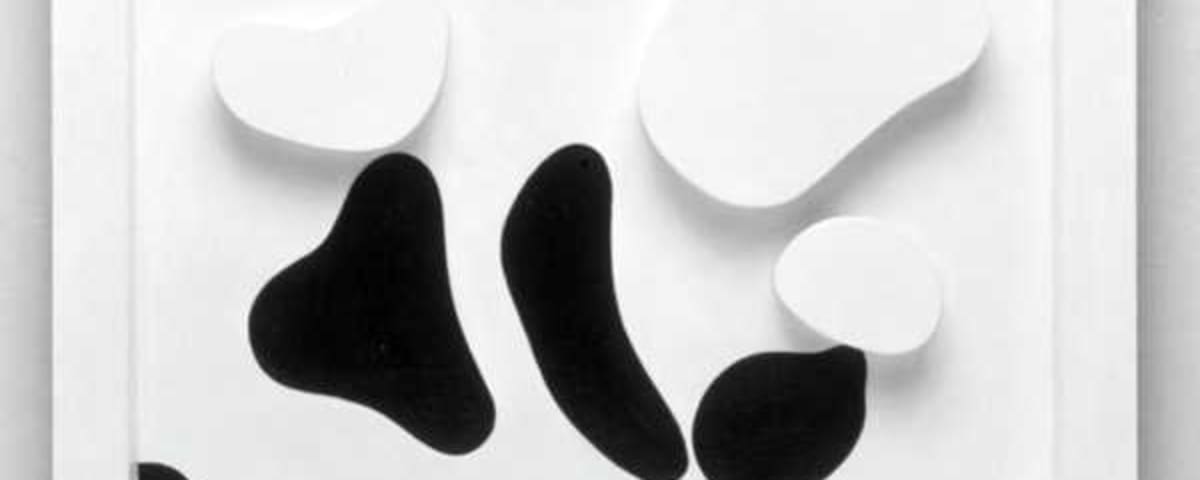
Cercle et Carré (Circle and Square) was an art group formed in Paris in 1929 that championed new directions in abstract art, in particular promoting its spiritual, almost mystical tendencies. The association was founded by the Belgian poet and critic Michel Seuphor and the Uruguayan painter Joaquín Torres-García as a kind of counterweight to the rise of Surrealism: they sought to rally artists devoted to clarity, order, geometric structure, and the constructive principle. The group published a journal of the same name and, in the spring of 1930, mounted a large exhibition in which some forty artists from various countries took part—Piet Mondrian, Wassily Kandinsky, Hans Arp, Sophie Taeuber-Arp, Fernand Léger, and Le Corbusier. This exhibition was one of the first major international manifestations of abstract art in Paris. Owing to disagreements between its founders the association was short-lived and soon dissolved, giving way to the group Abstraction-Création, yet it played an important role in consolidating the international abstract movement.
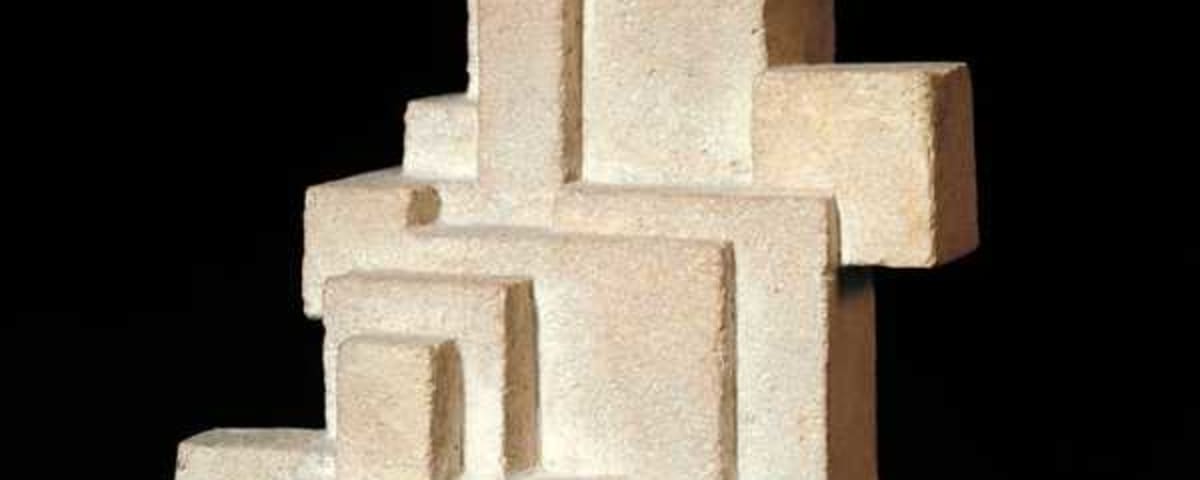
Círculo y Cuadrado (Circle and Square) was an art group and journal of the same name founded by the painter Joaquín Torres-García in Montevideo, Uruguay, in 1936 as a Spanish-language continuation of the Paris group Cercle et Carré. Having returned to his homeland after decades in Europe, Torres-García sought to establish abstract and constructive art in Latin America and to gather pupils around himself within the Association of Constructive Art that he created. At the core of his teaching was "Universal Constructivism"—an original synthesis of Mondrian's Neo-Plasticism, Cubism, and the symbolism of ancient American cultures, notably the art of the Incas and pre-Columbian civilisations. The journal Círculo y Cuadrado promoted the idea of a structured, grid-based composition filled with pictographic signs embodying universal concepts. Through this group and his workshop, Torres-García trained an entire generation of Uruguayan and Latin American modernists, and it became one of the most influential centres of constructive art in the southern hemisphere.

CoBrA was an avant-garde group formed in 1948 by artists from Copenhagen, Brussels, and Amsterdam, its name composed of the first letters of these three cities. The group's style was intensely expressive and drew inspiration from children's drawing, folk and primitive art, and the unconscious. It was founded, among others, by the Dane Asger Jorn, the Belgian poet Christian Dotremont, and the Dutch artists Karel Appel, Constant, and Corneille; they rebelled against both geometric abstraction and Surrealist intellectualism, championing spontaneity, freedom of gesture, and the immediacy of the creative impulse. Their canvases were populated by bright, grotesque, phantom-like creatures painted in thick, exuberant strokes of saturated colour. CoBrA published a journal of the same name and mounted several major international exhibitions, notably in Amsterdam and Liège. Although the group lasted only until 1951, it became one of the most important post-war European movements and significantly influenced the development of lyrical abstraction and Neo-Expressionism.

"Court" is a general term for the artists who worked at royal and princely courts, painting portraits of monarchs, members of their families, and favoured courtiers. The post of court artist began to take shape in Western Europe as early as the mid-thirteenth century and provided the master with a salary, lodging, a studio, and sometimes noble status, in exchange for a permanent readiness to glorify the ruler and document the life of the court. Such an artist's duties extended beyond portraiture: he might design decorations for ceremonies, costumes, tapestries, coins, banquet settings, and even palace interiors. Among the most celebrated court painters were Hans Holbein the Younger at the court of King Henry VIII of England, Diego Velázquez at the Spanish court of Philip IV, Anthony van Dyck under Charles I of England, and Peter Paul Rubens, who served simultaneously as a diplomat. Portraits made at courts had not only an aesthetic but also a political function—to affirm the power, legitimacy, and grandeur of the ruling dynasty—and so often idealised the sitter according to the strict rules of court etiquette.

The Euston Road School was a British realist grouping formed in 1938 from artists who taught or studied at a private School of Drawing and Painting at 316 Euston Road in London. Its founders were William Coldstream, Victor Pasmore and Claude Rogers (Graham Bell was a substantial theoretical influence on them), who, responding to the political tension of the pre-war era and to abstraction's growing detachment from life, returned to close, restrained observation of nature. Their style was marked by a sober, almost austere objectivity: a muted palette, meticulous measuring of proportions by eye (a method Coldstream refined to near-scientific precision), and a focus on everyday motifs—portraits, urban views, and modest interiors. The school shared left-wing, socially conscious convictions and sought to make art accessible to a wider public. Although the establishment closed as early as 1939 with the outbreak of war, its approach to figurative painting had a lasting influence on British art education, notably through Coldstream's later teaching career.
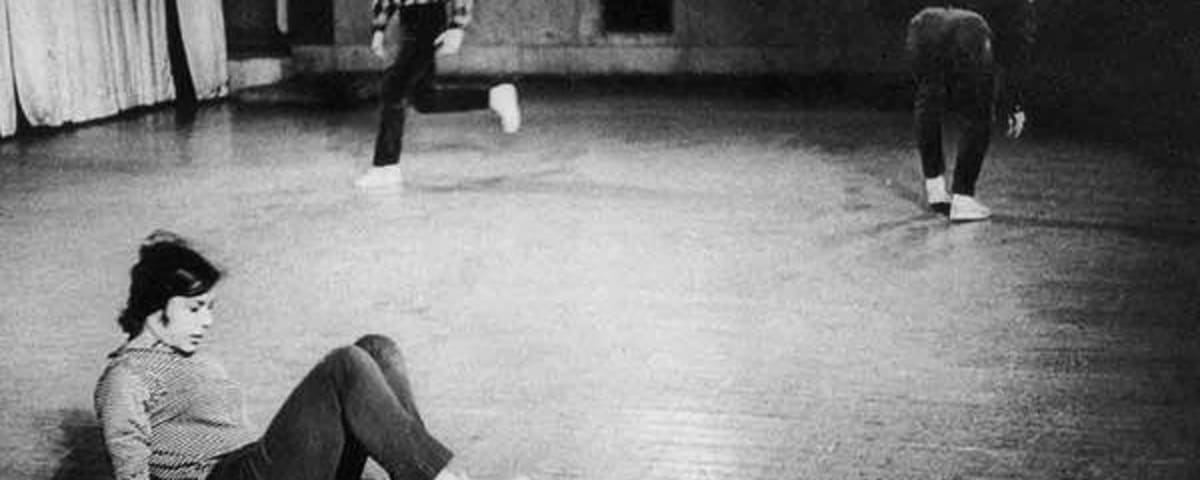
Experiments in Art and Technology (E.A.T.) was a non-profit organisation and collective founded in 1967 in New York to foster collaboration between artists and engineers and to explore the creative potential of new technologies. It was created by the Bell Labs engineers Billy Klüver and Fred Waldhauer together with the artists Robert Rauschenberg and Robert Whitman. The organisation's idea grew out of the large-scale event 9 Evenings: Theatre and Engineering of 1966, in which ten artists, collaborating with engineers, produced pioneering performances using electronics, video, and sound. E.A.T. arranged personal contacts between artists and technical specialists, held competitions, and most ambitiously realised the Pepsi Pavilion at Expo '70 in Osaka—an interactive space with a fog sculpture and a mirrored dome. The organisation's work became foundational for media art and for the digital and interactive art of the following decades.

The Federal Art Project was a United States government programme intended to provide work for unemployed artists during the Great Depression of the 1930s. Established in 1935 as part of the Works Progress Administration under President Franklin Roosevelt's New Deal and directed by Holger Cahill, the project ran until 1943 and became the largest state support of art in American history. It paid thousands of artists who created murals for non-federal public buildings—schools and hospitals—as well as easel paintings, sculptures, posters, and prints; a separate division, the Index of American Design, documented the country's folk and applied art. The programme also opened community art centres and workshops across the country, bringing art closer to ordinary people. Among the artists supported early in their careers were the future leaders of Abstract Expressionism Jackson Pollock, Mark Rothko, Arshile Gorky, and Willem de Kooning, so the project indirectly nurtured the post-war flowering of American art.
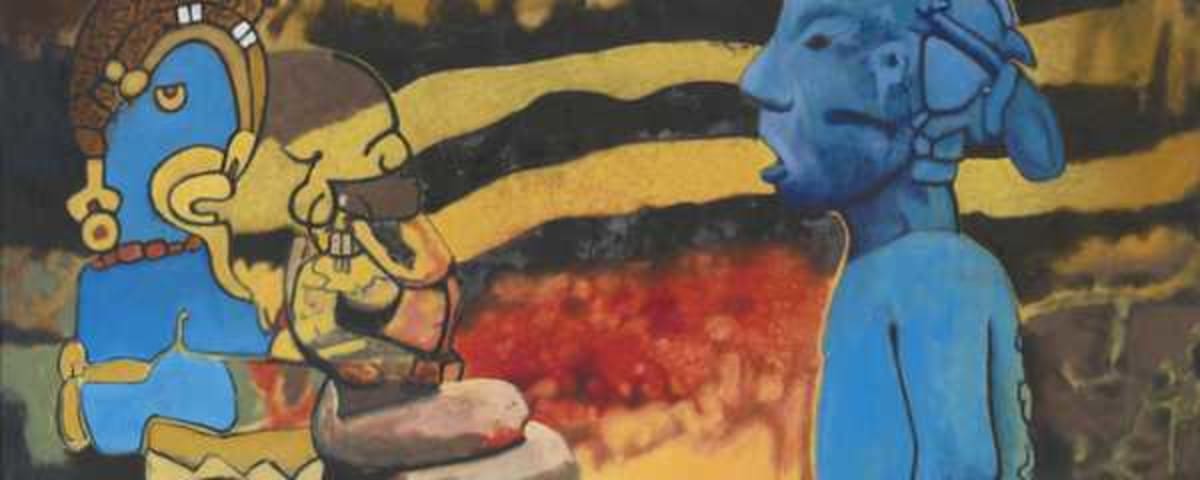
FESTAC 77, the Second World Black and African Festival of Arts and Culture, was a major cultural event held in Lagos and Kaduna, Nigeria, from January to February 1977. It continued the tradition of the First World Festival of Negro Arts held in Dakar in 1966 and became one of the largest gatherings of artists of African descent in history. The festival brought together over fifteen thousand participants from dozens of countries across Africa and its diaspora, including painters, musicians, dancers, writers, scholars and filmmakers. Its emblem was an ivory mask from Benin, symbolising the heritage and dignity of African peoples. The event had a distinctly postcolonial, pan-African character: it asserted the continent's cultural independence after decades of colonial rule and sought to reconsider the place of Black art within a global context. FESTAC had a lasting influence on the development of modern African art, strengthened networks of cooperation among diaspora artists, and became a symbol of cultural renewal and solidarity among peoples of African descent.
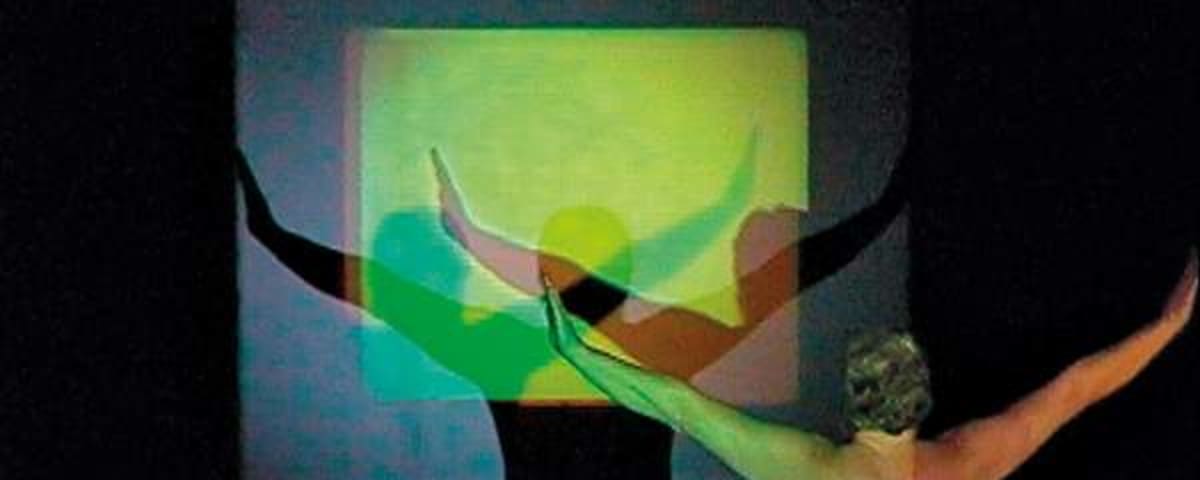
Filmaktion was a loosely knit group of British experimental filmmakers who worked and performed together in the early 1970s. It included artists such as Malcolm Le Grice, Gill Eatherley, Annabel Nicolson and William Raban, figures associated with the milieu of structural and expanded cinema in Britain, particularly the London Filmmakers' Co-operative. The group sought to move beyond the conventional projection of a film onto a screen and to turn the screening itself into a live performance, using multiple projectors, superimposed images, hand manipulation of the film strip, the shadows of performers' bodies, and the interaction of projected light with the space of the room. This approach belonged to the movement known as expanded cinema, in which the boundary between film, installation and performance was deliberately dissolved. Filmaktion explored the materiality of film itself, treating light, grain, duration and the mechanics of the projector as expressive means in their own right. Though short-lived, the group played a notable role in the development of British avant-garde and experimental film and influenced later media-art practice.
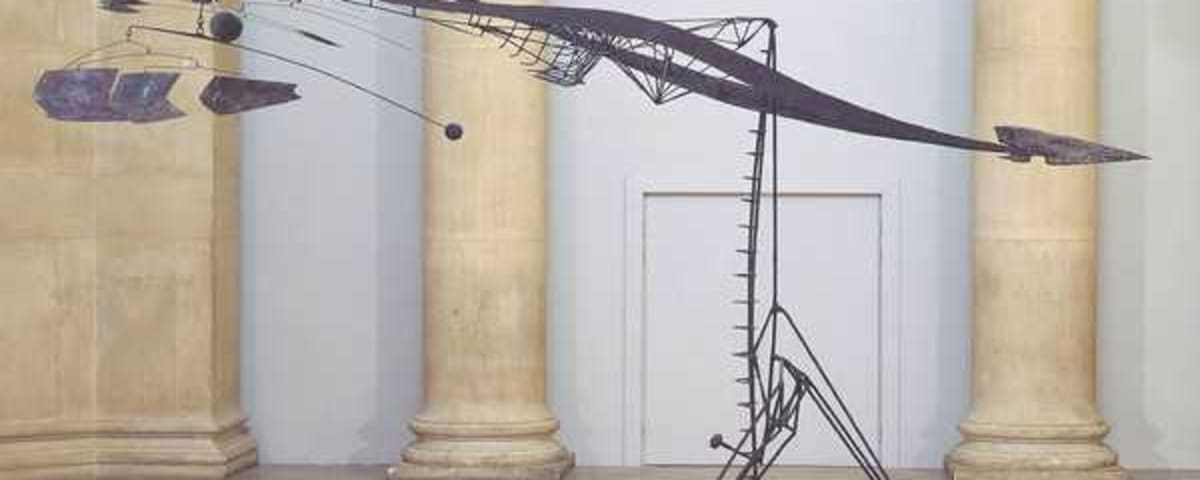
Geometry of Fear is a term coined by the British critic Herbert Read in 1952 to describe the work of a group of young British sculptors whose pieces were shown at the Venice Biennale that year. The circle included Reg Butler, Lynn Chadwick, Kenneth Armitage, Eduardo Paolozzi, William Turnbull and others. Their sculpture was characterised by distorted, battered, angular and seemingly mangled human, and sometimes animal, figures, made largely in welded metal and bronze with rough, spiky, thorn-like surfaces. These images conveyed the atmosphere of anxiety, vulnerability and existential dread of the postwar era, a time marked by the memory of the destruction of the Second World War and the new threat of nuclear annihilation during the Cold War. Read connected the style to the philosophy of existentialism and to a sense of human defencelessness. Geometry of Fear became an important expression of mid-century British modernism and signalled a move away from the smooth, monumental forms of earlier sculpture, notably the classical humanism of Henry Moore, towards a nervous, fragmented expressiveness.

The Glasgow School usually refers to the circle of artists and designers who worked around the architect and designer Charles Rennie Mackintosh in Glasgow from the mid-1890s to about 1910. Its central group was the so-called Four: Charles Rennie Mackintosh, his wife Margaret Macdonald, her sister Frances Macdonald and Herbert MacNair. Their style combined elements of Art Nouveau, Symbolism, Celtic motifs and Japanese art to form a distinctive aesthetic of elongated vertical lines, stylised plant forms and geometric austerity. This Glasgow Style embraced architecture, furniture, stained glass, metalwork, textiles and graphic design, and became Scotland's contribution to the international Art Nouveau movement. The best-known monuments of the school are the Glasgow School of Art building designed by Mackintosh and a series of tea rooms decorated in the style. The term Glasgow School is sometimes also used more broadly for a group of late-nineteenth-century landscape painters known as the Glasgow Boys. The school exerted considerable influence on European design, especially on the Vienna Secession.
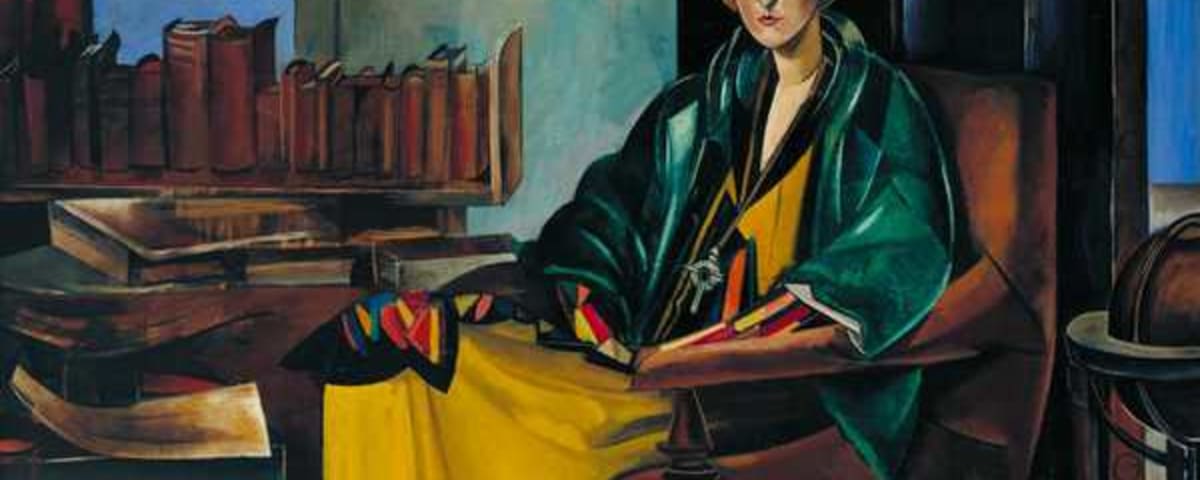
Group X was a short-lived association of British artists founded by Wyndham Lewis in 1920. It emerged as an attempt to sustain and continue attention to avant-garde art in Britain after the First World War, when the earlier radical movement of Vorticism had effectively collapsed as a result of the war and the death of several of its members. Group X included former Vorticists and artists close to them, among them Edward Wadsworth, Frederick Etchells, William Roberts, Cuthbert Hamilton, Jessica Dismorr and Frank Dobson. The group held only a single joint exhibition, at the Mansard Gallery in London in March 1920, and had no unified artistic programme or shared manifesto; its members were bound less by a common style than by a desire to assert modernist positions in British art. Owing to this lack of internal cohesion, the association soon dissolved. Despite its brevity, Group X is an important record of Wyndham Lewis's efforts to revive the prewar avant-garde impulse and marks a transitional moment in the history of British modernism between Vorticism and the art of the interwar decades.

Grupo Frente was a Brazilian art association of the 1950s formed by artists who rejected the figuration and nationalist rhetoric of the dominant modernist style of Brazilian painting. The group emerged in Rio de Janeiro around 1954 around the artist and teacher Ivan Serpa and brought together artists interested in geometric abstraction and Concrete art. At various times it included Lygia Clark, Hélio Oiticica, Aluísio Carvão, Abraham Palatnik, Franz Weissmann and others. The members of Grupo Frente looked to European traditions of Constructivism and Concrete art, in particular the ideas of Max Bill, and sought to create a rational, non-objective art based on pure forms, colour and geometry. At the same time the association had no rigid doctrinal programme and allowed considerable freedom of individual inquiry. Grupo Frente was an important stage in the development of Brazilian Concrete art and directly preceded the emergence of Neo-Concretism in the late 1950s, in which former members of the group, notably Clark and Oiticica, played a leading role.
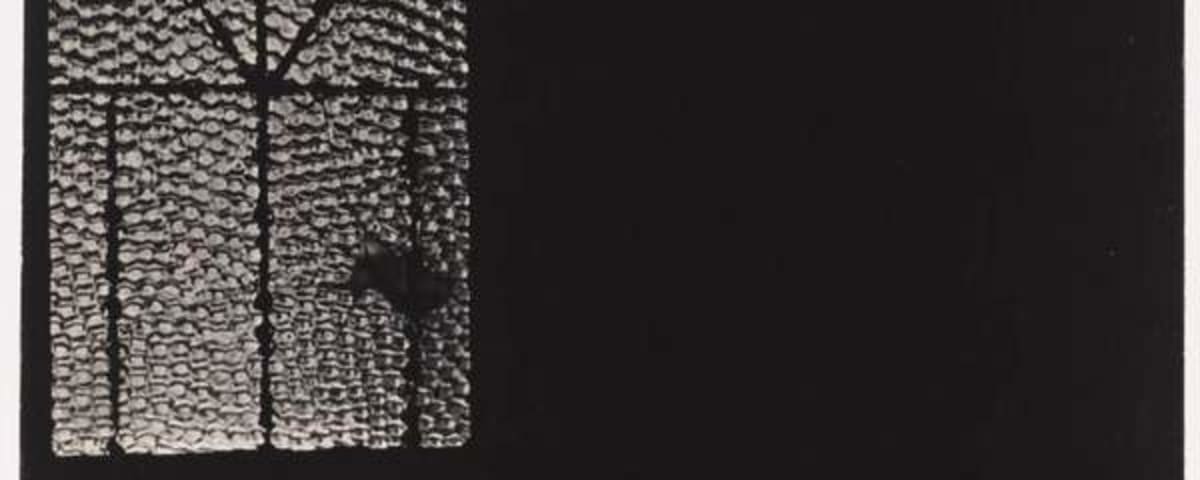
Grupo Ruptura was an association of Brazilian abstract artists formed in São Paulo in the early 1950s with the aim of making a decisive break with the dominant naturalistic and figurative approach to painting in the country. The group was founded in 1952, and its positions were set out in a manifesto issued during an exhibition of the same name at the Museum of Modern Art in São Paulo. Its founders included Waldemar Cordeiro, Luís Sacilotto, Geraldo de Barros, Lothar Charoux, Anatol Wladyslaw and Kazmer Fejer. The members of Grupo Ruptura proclaimed the need for a new, rational and scientific art based on the principles of Concrete art: pure geometric form, clear composition and the rejection of any representation, symbolism or illusionism. The group's theoretical leader was Waldemar Cordeiro, who argued for art as an objective, socially significant activity. Grupo Ruptura became the centre of Brazilian Concretism in São Paulo, while a parallel focus of the movement developed in Rio de Janeiro, and it substantially influenced the later development of abstract and constructive art in Brazil.
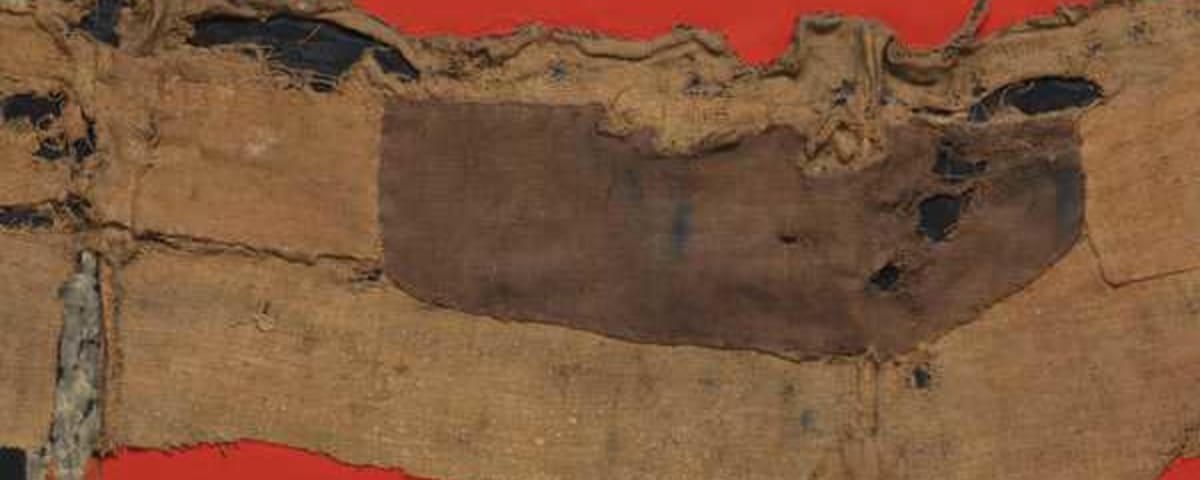
Gruppo Origine, whose name translates as the group of origin, was a short-lived Italian art association founded in Rome in 1951. It comprised four artists: Alberto Burri, Giuseppe Capogrossi, Ettore Colla and Mario Ballocco. The group issued a manifesto proclaiming the need for a return to simple, primal forms and colours in abstract art. Its members sought to purify abstraction of the excessive decorativeness and geometric complexity into which, in their view, contemporary non-objective art had slipped, and to restore to it an expressive, sign-like directness. They rejected three-dimensional illusion and richness of colour in favour of reduced, often monochrome forms, with an emphasis on the materiality of the surface and the elementary graphic sign. Despite its brief existence, the group dissolving soon after its foundation, Gruppo Origine played a notable role in postwar Italian art and foreshadowed the later work of its members. In particular, Alberto Burri went on to become a leading master of material art (arte materica), while Capogrossi developed his recognisable system of comb-like signs.
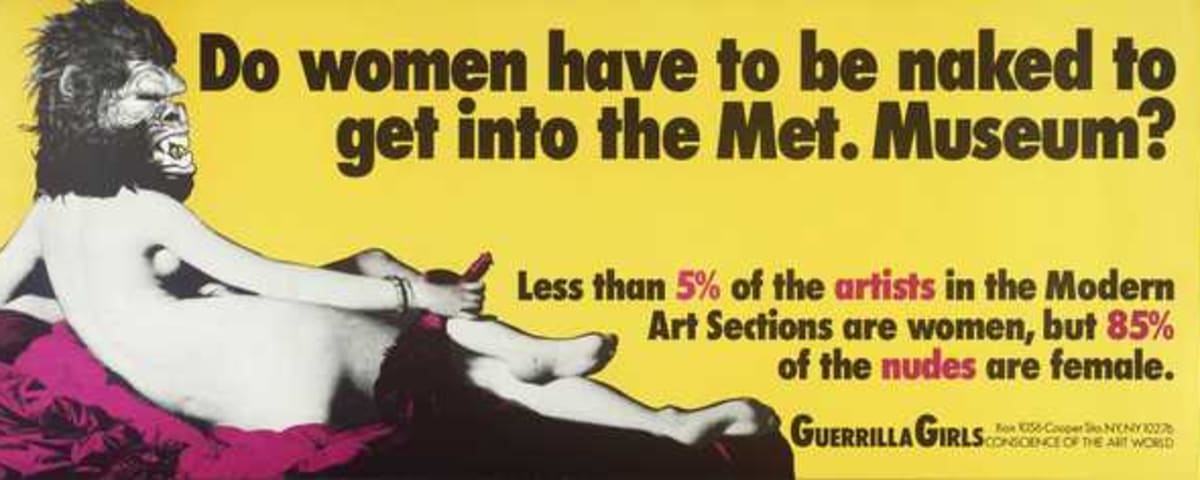
The Guerrilla Girls are a group of anonymous American feminist artists founded in New York in 1985 who seek to expose sexual and racial discrimination in the art world and the wider cultural sphere. Its members appear in gorilla masks, concealing their identities, and adopt as pseudonyms the names of dead women artists of the past, such as Käthe Kollwitz or Frida Kahlo. This anonymity allows them to keep attention on the issues rather than on their own personalities, while also protecting them from possible reprisals within the art establishment. The group's best-known weapon has been its bold posters, stickers and billboards presenting pointed facts and statistics that document the unequal representation of women and non-white artists in museums, galleries and collections. A classic example is the 1989 poster asking whether women have to be naked to get into the museum, which ironically compared the proportion of women artists with the proportion of female nudes in the collection of a major museum. Through their work, which combines activism, humour and visual design, the Guerrilla Girls have profoundly influenced feminist critique of art institutions and remain active to this day.

The Heidelberg School was a late-nineteenth-century art movement in Australia, named after the village of Heidelberg near Melbourne, where a small group of artists went to work en plein air, in the open air and directly on site. The movement developed mainly in the 1880s and 1890s and is regarded as the first distinctly Australian school of painting, one that forged a national visual language. Its leading figures were Tom Roberts, Arthur Streeton, Charles Conder and Frederick McCubbin. Influenced by French plein-air painting and Impressionism, the artists sought to capture the peculiar bright light, heat, dust and pastel hues of the Australian bush, as well as scenes of rural and pioneer life. A key event of the movement was the 9 by 5 Impression Exhibition of 1889, which presented sketches painted on small wooden panels taken from cigar-box lids. The works of the Heidelberg painters, including monumental canvases about the labour of wool shearers and pioneers, became something like national icons and played a central role in shaping Australian cultural identity at the close of the colonial era.
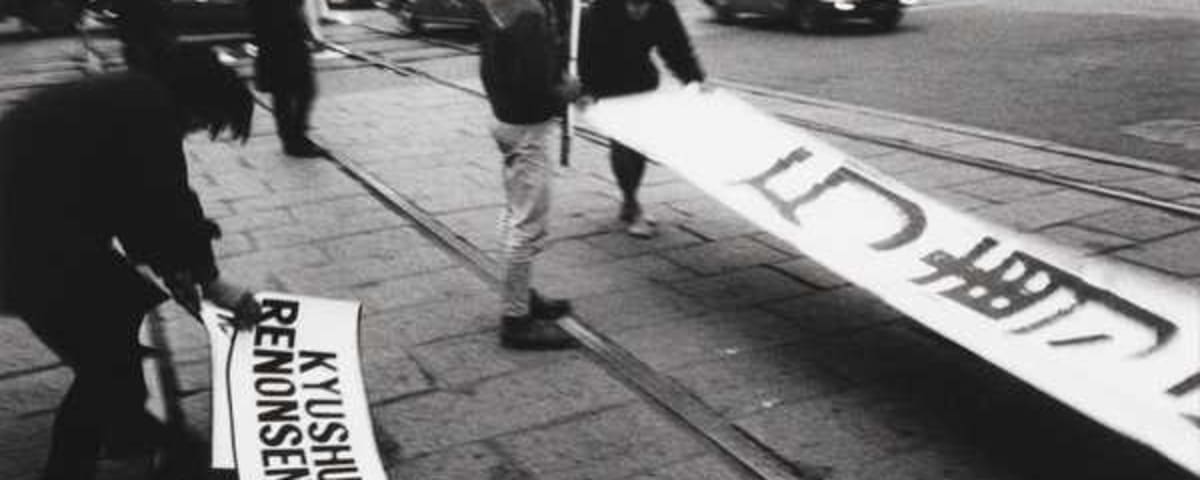
Hi-Red Center was a short-lived radical art collective that arose in postwar Japan and was active in 1963 and 1964. The group was founded by three artists, Jiro Takamatsu, Genpei Akasegawa and Natsuyuki Nakanishi; the name itself is a wordplay based on the first characters of their surnames, which in Japanese relate to the words high, red and centre. The collective worked in the fields of performance, happenings and conceptual actions, dissolving the boundary between art and everyday life. Its most famous actions were provocative street events in Tokyo, notably the so-called Cleaning Event of 1964, in which participants in white coats ostentatiously scrubbed and disinfected the pavements of the city's business district, an ironic comment on the obsession with cleanliness and order during the Tokyo Olympics. Hi-Red Center operated in the context of the Japanese avant-garde of the 1960s, akin to the international Fluxus and Neo-Dada movements. Despite its very brief existence, the group had a marked influence on the development of Japanese conceptual art and performance.

The Hudson River School was an American art movement of the mid-nineteenth century whose members were landscape painters depicting picturesque scenes of natural beauty, including the Hudson River valley, the Catskill, Adirondack and White Mountains of the north-eastern United States. The movement was not a formal organisation but rather a generation of like-minded artists, whose founder is considered to be Thomas Cole and whose leading figures included Asher Durand, Frederic Edwin Church, Albert Bierstadt, John Kensett and Sanford Gifford. The painters of the school celebrated the grandeur and pristine quality of American nature, regarding it as a manifestation of divine presence and a symbol of the young country's national identity. Their canvases are distinguished by meticulous detail, dramatic lighting and a Romantic, sometimes exalted and religious mood; many works carry allegorical or moral-philosophical undertones, such as Cole's cycle The Course of Empire. Later painters of the school, notably Church and Bierstadt, expanded its geography to depict the Andes, the Rocky Mountains and the American West. The Hudson River School was the first major national movement in American painting and had a lasting influence on the development of landscape art in the country.
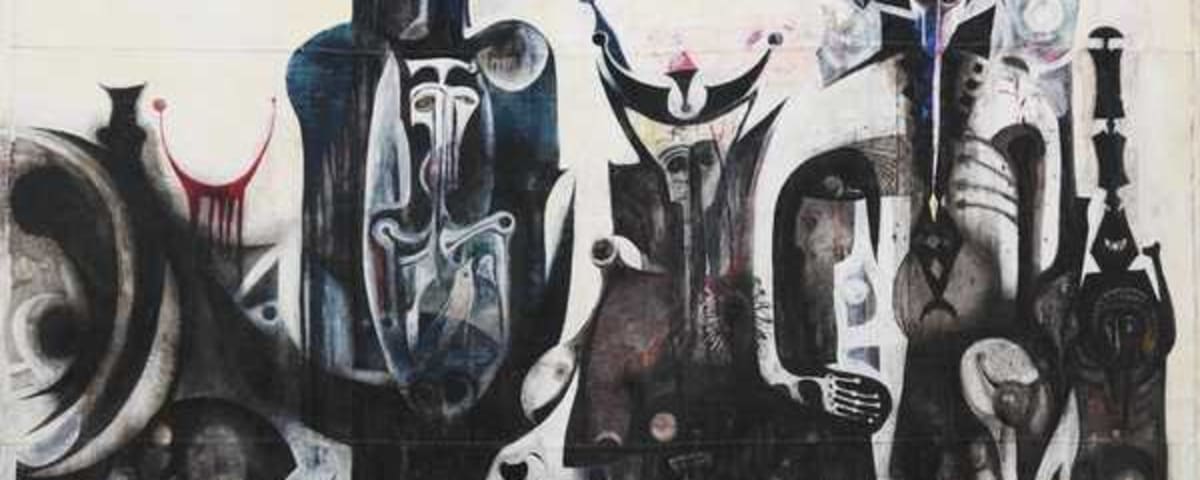
The Khartoum School was a modernist art movement that emerged in Sudan around 1960 and sought to develop a new visual vocabulary to express the unique identity of the newly independent nation after the country gained independence in 1956. The movement centred on the College of Fine and Applied Art in Khartoum, and its leading figures were the artists Ibrahim el-Salahi, Ahmed Shibrain and Kamala Ibrahim Ishag. The artists of the school aimed to combine the influences of Western modernism with local sources: Arabic calligraphy, Islamic ornament, African motifs and the traditions of Sudanese material culture. Central to their aesthetic was the notion of hurufiyya, the creative use of Arabic letters and calligraphic signs as plastic, almost abstract compositional elements. In this way the artists sought to reflect the dual, African and Arab-Islamic, heritage of Sudanese culture and to establish a distinctive postcolonial art. Ibrahim el-Salahi later achieved international recognition as one of the foremost masters of African modernism. The Khartoum School occupies an important place in the history of modern African and Arab art.
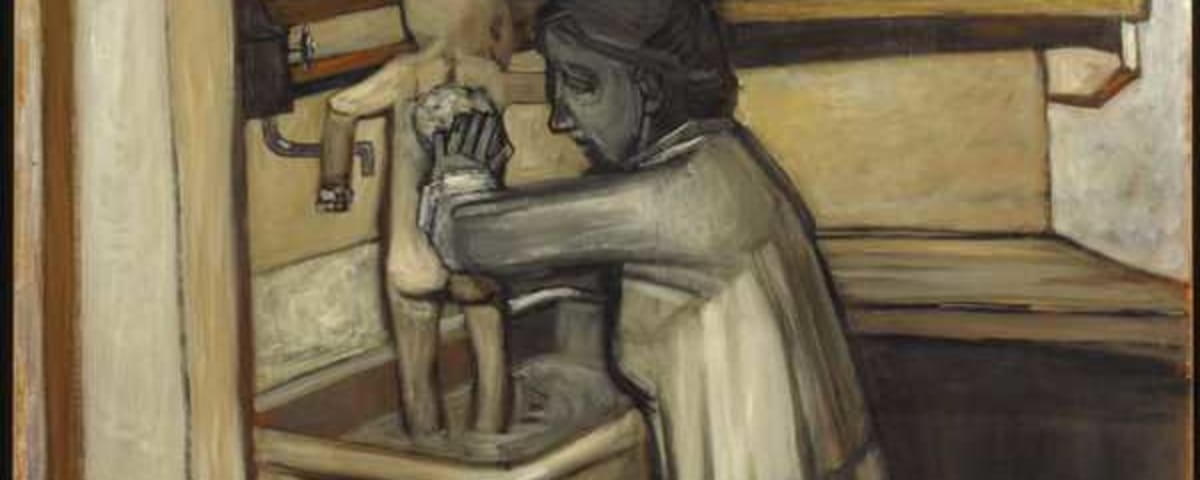
The Kitchen Sink painters were a group of British artists working in the 1950s who depicted ordinary people in scenes of everyday, often drab and unappealing life. The term was first used by the critic David Sylvester as the title of an article in the December 1954 issue of Encounter, alluding to John Bratby's paintings of kitchen sinks, and ironically points to the artists' desire to show the most mundane and down-to-earth aspects of working-class domestic life: cluttered kitchens, cramped flats, dirty dishes and objects of daily use. The group included John Bratby, Jack Smith, Edward Middleditch and Derrick Greaves, whom the critic David Sylvester brought together under this label in the mid-1950s. Their style was marked by thick, vigorous brushwork, a muted palette and a pronounced social orientation. The movement was part of a broader tendency in British culture of the postwar decade, the so-called social realism and the literature of the Angry Young Men, which addressed themes of class, everyday life and social inequality. The work of the Kitchen Sink painters was set against both abstraction and salon aestheticism and represented British art at the Venice Biennale of 1956. Later some members, notably Bratby, moved away from this manner.
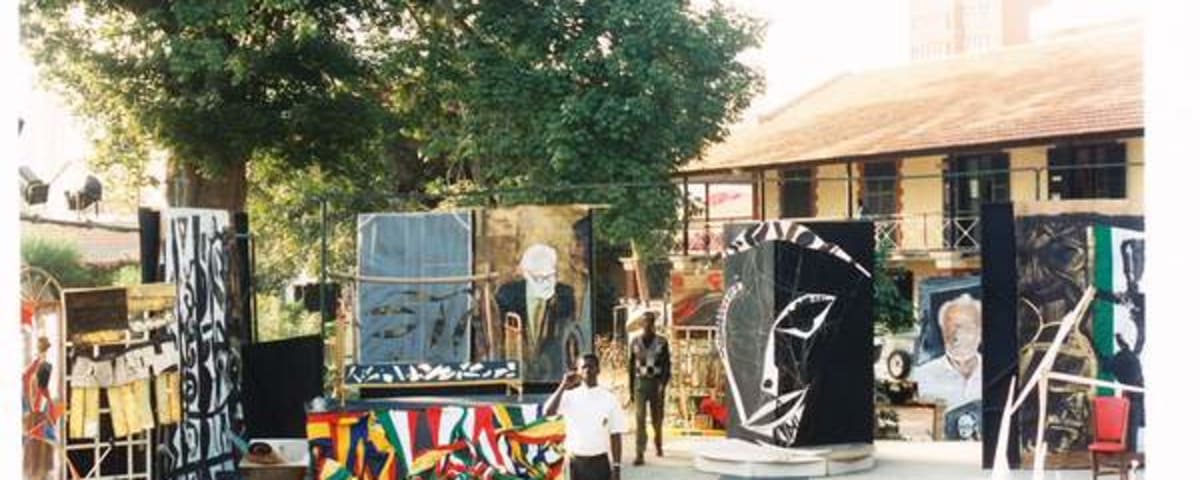
Laboratoire Agit'Art was a revolutionary and subversive art collective founded in Dakar, Senegal, in 1974 that sought to combine traditional African performance and creativity with a contemporary aesthetic. The group emerged as a reaction against official, state-sanctioned cultural policy, in particular the aesthetics of Negritude championed by Senegal's first president, Léopold Sédar Senghor. The members of the collective, among them the artist and writer Issa Samb (also known as Joe Ouakam), El Hadji Sy and others, rejected an orientation towards museum-bound, commodified art and emphasised process, performance, improvisation and the ephemerality of the creative act. Their practices combined theatre, poetry, painting, sculpture from found materials, installation and street actions, often unfolding in a shared courtyard studio in central Dakar that itself became a living, constantly changing work. Laboratoire Agit'Art became one of the most influential centres of avant-garde and conceptual art in West Africa and an important example of the critical, anti-institutional art of the postcolonial era, one that rethought the very nature of African modernity.
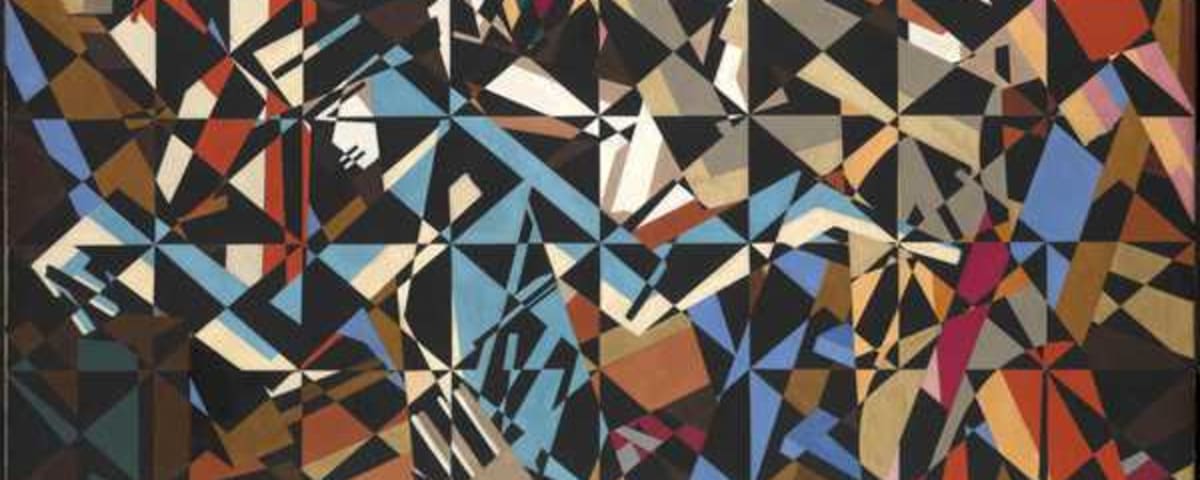
The London Group was an exhibiting association of artists founded in London in 1913 to organise exhibitions of modern art in Britain. It arose from the merger of several earlier associations, notably the Camden Town Group and other avant-garde circles, and aimed to provide an independent exhibiting platform for artists whose work was not accepted by the conservative Royal Academy. The group's first president was Harold Gilman. Its membership at various stages included leading figures of British modernism, among them Walter Sickert, Spencer Gore, Jacob Epstein, Wyndham Lewis, David Bomberg, Mark Gertler and many others, representing a wide spectrum of tendencies from Post-Impressionism to Vorticism. The London Group deliberately declined to confine itself to any single style or manifesto, seeking instead to be an open and pluralist community bringing together the various currents of new art. Its annual exhibitions became an important venue for presenting avant-garde tendencies to the British public over many decades. The group still exists today, remaining one of the oldest active artists' associations in Britain.
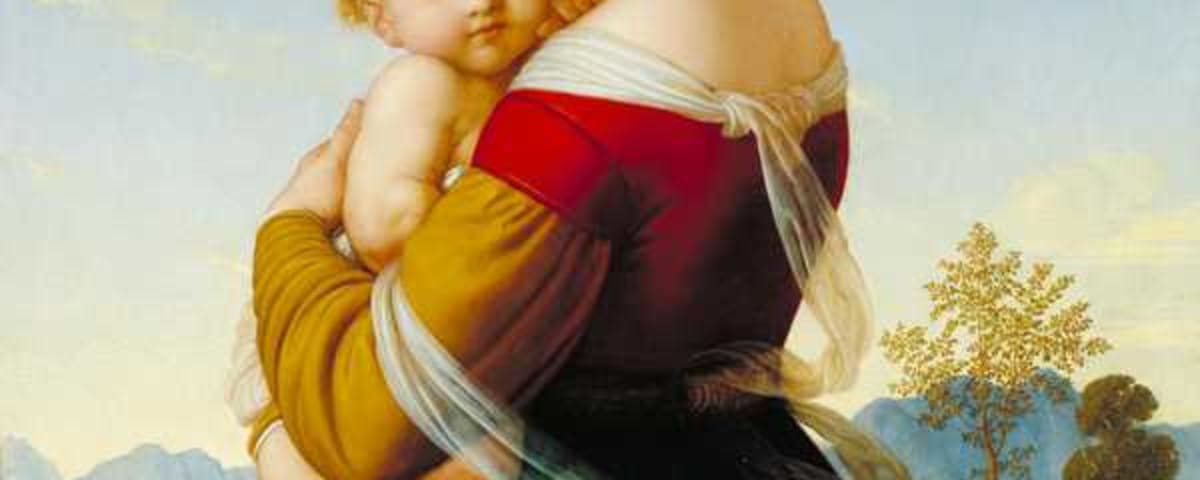
The Nazarenes were a group of German Romantic painters founded in 1809 whose aim was to revive German painting through a return to the sincerity and spiritual purity of early Renaissance and medieval art. The association arose in Vienna under the name the Brotherhood of Saint Luke (Lukasbund), and soon its members moved to Rome, where they settled in the disused monastery of San Isidoro. The founders of the movement were Friedrich Overbeck and Franz Pforr, later joined by Peter von Cornelius, Wilhelm Schadow, Julius Schnorr von Carolsfeld and others. The nickname Nazarenes was given to them jokingly on account of their pious way of life, their long hair in the manner of images of Christ and their emphatic religiosity. The artists sought to restore moral and spiritual seriousness to art by emulating Raphael, Perugino, Dürer and other masters before the Mannerist age, and they favoured religious and historical subjects, clear line, bright colour and fresco painting. The Nazarenes revived interest in monumental fresco and had a significant influence on nineteenth-century religious art, as well as indirectly on the English Pre-Raphaelites, who shared similar ideals.

The New English Art Club was an exhibiting society of artists founded in London in 1886 by painters influenced by French Impressionism whose work was rejected by the conservative Royal Academy. The club arose as an alternative to the academic system and sought to provide an independent platform for a younger generation of painters, many of whom had trained in Paris and adopted the plein-air methods and bright palette of the French masters. Among its founders and early members were John Singer Sargent, Philip Wilson Steer, George Clausen, Stanhope Forbes and, later, Walter Sickert, who played a leading role in the society's affairs. In the late 1880s Sickert and Steer formed an 'impressionist nucleus' within the club, staging their own exhibition, London Impressionists, in 1889. The New English Art Club became an important centre of progressive British art at the turn of the century and helped to disseminate Impressionist and realist tendencies in Britain. The society continues to exist today, preserving the tradition of figurative painting from life.
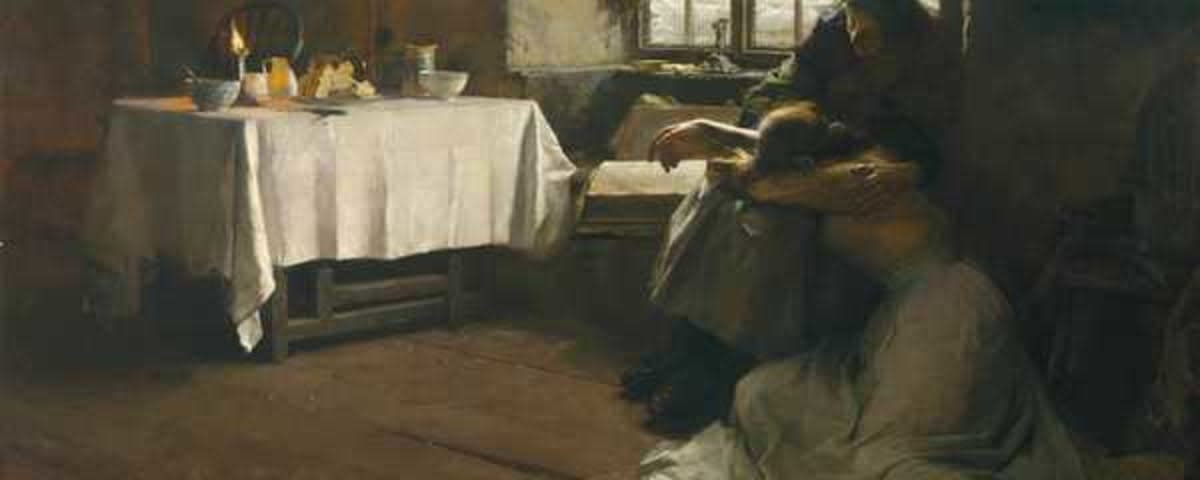
The Newlyn School was a group of artists who settled in the fishing village of Newlyn and neighbouring towns of Cornwall in the late nineteenth century and whose art is marked by the influence of plein-air painting and realism. The artists were drawn to Newlyn by the soft coastal light, the inexpensive living, the picturesque scenery of the shore and the opportunity to work in the open air, depicting the everyday life of the fishing community. The leading figure of the school was Stanhope Forbes, sometimes called its father; the circle also included Walter Langley, Frank Bramley, Elizabeth Forbes and others. The artists followed the method of the French painter Jules Bastien-Lepage, working out of doors and paying particular attention to the truthful rendering of natural light and atmosphere. Their paintings depicted scenes of the labour and daily life of fishermen, dramatic episodes of maritime life such as the waiting for boats or a leave-taking, and often carried a distinct social and emotional charge. In 1895 an art gallery opened in Newlyn, attesting to the importance of the colony. The Newlyn School became one of the best-known British art colonies and made a notable contribution to the development of realist plein-air painting in Britain.
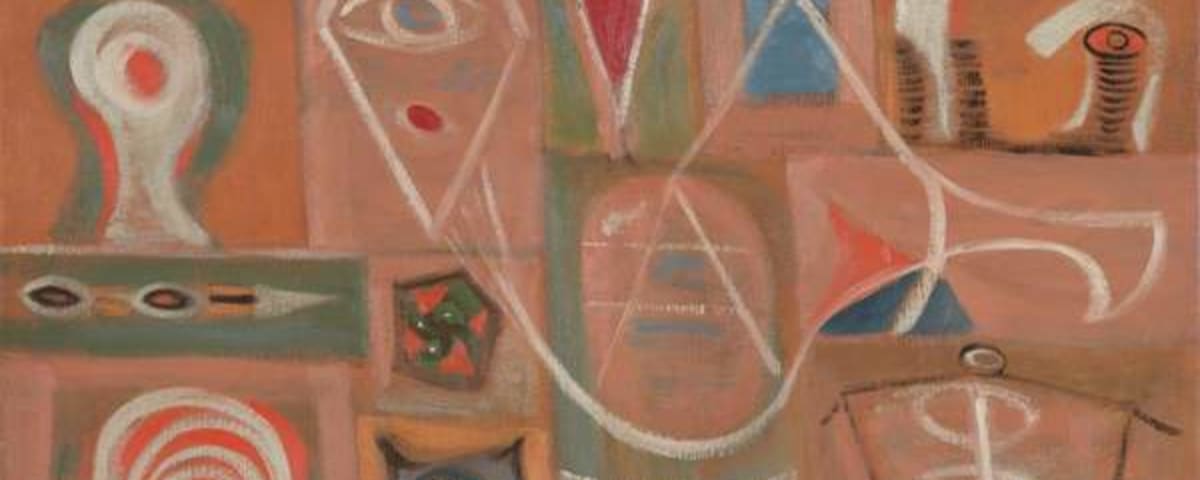
The New York School was a radical art scene that emerged in New York after the Second World War and, for the first time, made that city rather than Paris the principal centre of avant-garde art in the Western world. The term primarily encompasses the Abstract Expressionist artists who worked in the 1940s and 1950s, notably Jackson Pollock, Willem de Kooning, Mark Rothko, Barnett Newman, Clyfford Still, Franz Kline, Robert Motherwell and Arshile Gorky. Despite significant differences of individual manner, from the energetic action painting of dripped and splashed paint to contemplative fields of pure colour, these artists were united by a striving for large scale, non-representation, spontaneity and the expression of deep emotional and existential states. The movement's formation was influenced by European Surrealism, whose representatives emigrated to the United States during the war, and by ideas of automatism and psychoanalysis. The notion of the New York School is sometimes extended to an associated circle of poets, musicians and dancers. This scene, supported by the influential critics Clement Greenberg and Harold Rosenberg, exerted a decisive influence on all the subsequent development of twentieth-century art.
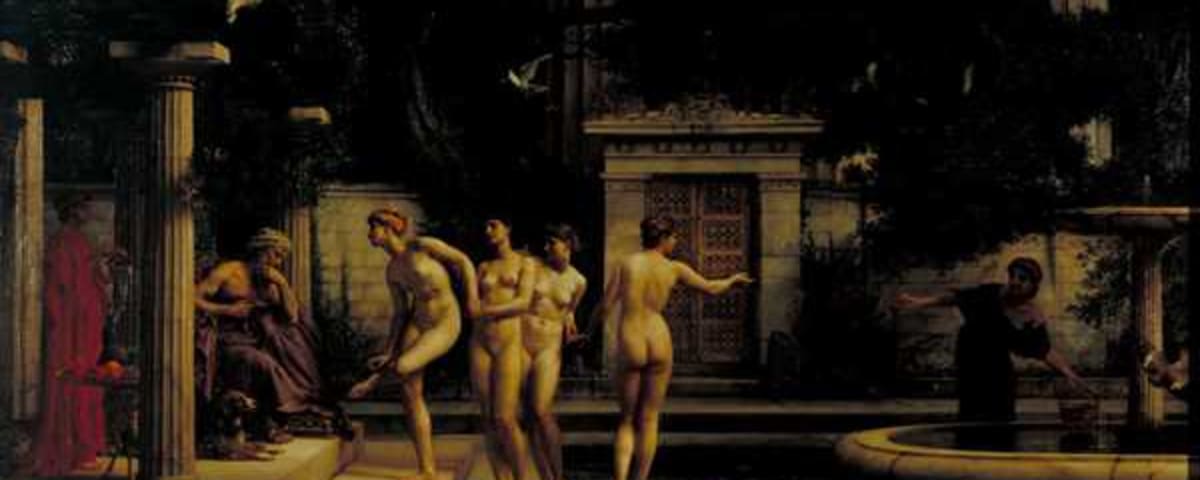
Olympians is a term often used to describe certain British artists of the Victorian era whose work emphasised classical elements in both style and subject matter. These artists worked mainly in the second half of the nineteenth century and drew inspiration from the art and life of ancient Greece and Rome, creating elegant, meticulously executed scenes of the ancient world. The nickname Olympians points at once to the classical, Olympian subject matter of their works and to the lofty, prestigious status they attained in the art world of the time. The leading representatives of this circle are usually held to be Frederic Leighton, Lawrence Alma-Tadema, Edward Poynter and Albert Moore. Their paintings are distinguished by flawless technique, a love of marble, fabrics and luxurious settings, idealised nude or draped figures and an overall mood of serene, timeless beauty. The work of the Olympians was close to academic classicism and Aestheticism and closely bound up with the culture of late Victorian Britain. Many of these artists held high office; Leighton and Poynter, in particular, presided over the Royal Academy. Later, with the advent of modernism, their art long fell out of fashion, but in the twentieth and twenty-first centuries interest in it revived.

The Omega Workshops were an English applied-arts company founded in 1913 by the painter and critic Roger Fry and located in London on Fitzroy Square. The enterprise was closely bound up with the Bloomsbury circle and aimed to unite fine and decorative art, giving modernist artists a means of earning a living by decorating interiors and creating household objects. Its leading members, besides Fry himself, were the painters Vanessa Bell and Duncan Grant. The workshops produced painted furniture, ceramics, textiles, carpets, stained glass and whole decorative ensembles marked by bright colour, simplified forms and the influence of Post-Impressionism, Fauvism and the European avant-garde, which Fry had introduced to the British public through his landmark exhibitions. One of Omega's guiding principles was anonymity: the products were not signed with the names of individual makers but marked only with the Greek letter omega, emphasising the collective rather than individual character of the work. The enterprise was short-lived and closed in 1919 owing to financial difficulties, partly caused by the First World War, yet it had a notable influence on the development of British modernist design.
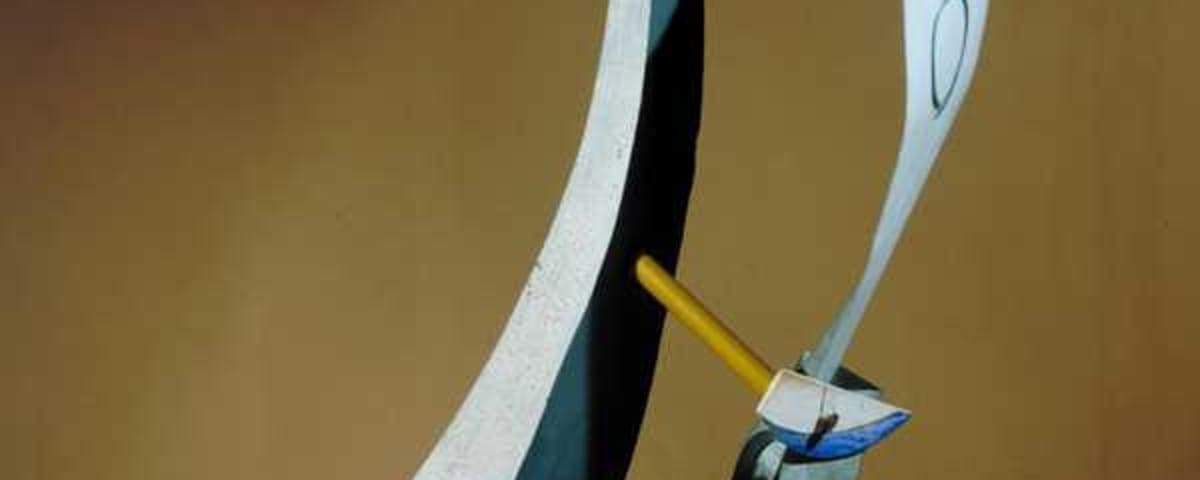
The Penwith Society of Arts was an association of artists founded in 1949 in the town of St Ives in Cornwall, Britain, by artists working mainly in an abstract style. The society arose from a split within the older St Ives Society of Artists, when a group of progressive, modernist-minded artists broke away to form their own association. Its name derives from the Penwith peninsula, the westernmost part of Cornwall, where St Ives is situated. Among its leading members were Barbara Hepworth, Ben Nicholson, Peter Lanyon and the critic Herbert Read, who played an important role in the society's establishment. St Ives had by then become one of the most important centres of British modernist art, attracting artists with its brilliant coastal light, its shoreline scenery and its creative community. The artists of the society developed abstract art, often inspired by natural forms, the landscape and the sea of Cornwall. The Penwith Society of Arts became the central institution of the so-called St Ives School and played a key role in the development of British postwar abstraction. It continues to exist to this day.

PESTS was an anonymous protest group of artists active in New York in the 1980s whose aim was to expose discrimination and tokenism directed at artists from racial minorities by commercial galleries, museums and other art institutions. The group was close in spirit and method to the well-known Guerrilla Girls, but it focused primarily on the problem of racial rather than gender inequality in the art world. Its members preserved their anonymity and distributed leaflets, posters and newsletters in which, by means of facts, names and statistics, they documented the systematic neglect of non-white artists, their meagre representation in exhibitions and collections, and the practice of tokenism, the symbolic inclusion of a few individual artists for the sake of visible diversity without any real change. The activity of PESTS coincided with a period of intensified debate about multiculturalism, identity and representation in American art. Although the group was short-lived, it played a notable part in the wider movement for racial justice in the art world and testified to a growing critical awareness of structural inequality in art institutions at the end of the twentieth century.

The Rebel Art Centre was an art centre founded by Wyndham Lewis in London in March 1914 as a meeting place for artists to discuss revolutionary ideas and to teach non-representational, avant-garde art. The centre was located on Great Ormond Street and was conceived as a kind of alternative to Roger Fry's Omega Workshops, with whom Lewis had recently quarrelled bitterly. It was intended not only to hold discussions and lectures but also to produce decorative goods, murals, furniture and textiles in a new geometric spirit, and to run art classes. The Rebel Art Centre played an important role in the birth of Vorticism, the only major English avant-garde movement before the First World War: it was in its milieu that the future Vorticists gathered, among them Lewis himself, Edward Wadsworth, Cuthbert Hamilton and others, and the idea of the magazine Blast, which became the movement's manifesto, took shape. However, the centre lasted only a few months and closed in the summer of 1914 as a result of internal disputes among its members. Despite its brevity, it occupies a notable place in the history of British modernism as the cradle of Vorticism.
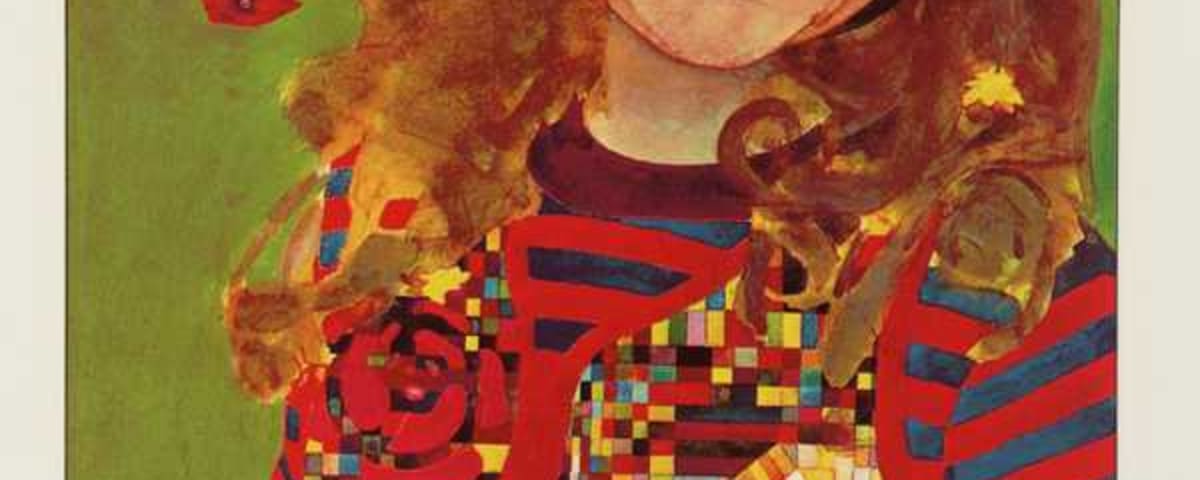
The Ruralists, or the Brotherhood of Ruralists, were a group of British artists founded in 1975 that sought to revive the painting of figurative subjects set against idyllic rural landscapes. The association came into being after Peter Blake, one of the founders of British Pop art, moved with his then wife Jann Haworth from London to Wellow, near Bath in Somerset; the group concentrated on the themes of nature, childhood, English folklore and the pastoral. The brotherhood included Peter Blake, his wife Jann Haworth, Graham and Ann Arnold, Graham and Annie Ovenden and David Inshaw. Consciously invoking the example of the nineteenth-century Pre-Raphaelites, the Ruralists championed a return to meticulous, narrative, Romantic figurative painting and drew inspiration from English literature, in particular fairy tales, poetry and works such as Alice in Wonderland. Their art was distinguished by a nostalgic, at times sentimental mood, a love of detail and an idealised vision of rural England. The Brotherhood of Ruralists became a notable phenomenon of British art in the 1970s and a kind of reaction against the dominance of abstraction and conceptualism, asserting the value of traditional figurative painting.
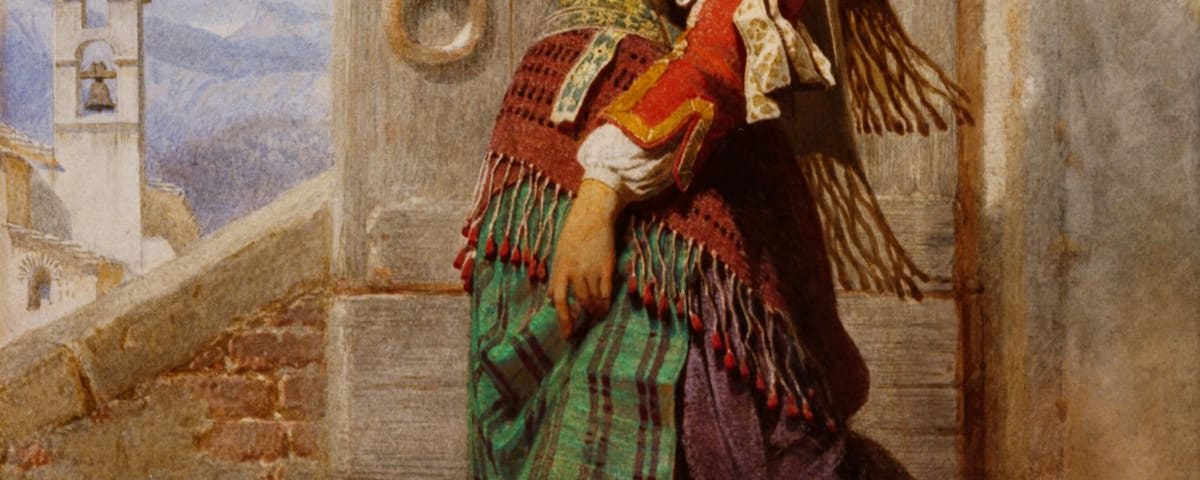
The Salon was the official art exhibition whose name derives from the Salon Carré in the Louvre in Paris, where from 1725 the French Royal Academy of Painting and Sculpture displayed the works of its members. Throughout the eighteenth and nineteenth centuries it became the most prestigious and influential public art exhibition in Europe: a jury of academicians selected the works, and acceptance or rejection could make or break an artist's career. The exhibitions were accompanied by vigorous debate, and it was here that the profession of art critic emerged, with writers such as Denis Diderot and later Charles Baudelaire producing extended reviews. The rigid conservatism of the jury provoked resistance. In 1863, under pressure from rejected artists, Napoleon III authorised the Salon des Refusés, which showed Édouard Manet's Le Déjeuner sur l'herbe among other controversial works. Later, independent bodies created their own venues, notably the jury-free Salon des Indépendants (from 1884) and the Salon d'Automne (from 1903), which became platforms for the Fauves and Cubists. The term "salon" thus came to symbolise the conflict between official academicism and the avant-garde, and it also became a model of the public art institution that shaped cultural life in other countries, including Eastern Europe and Ukraine.
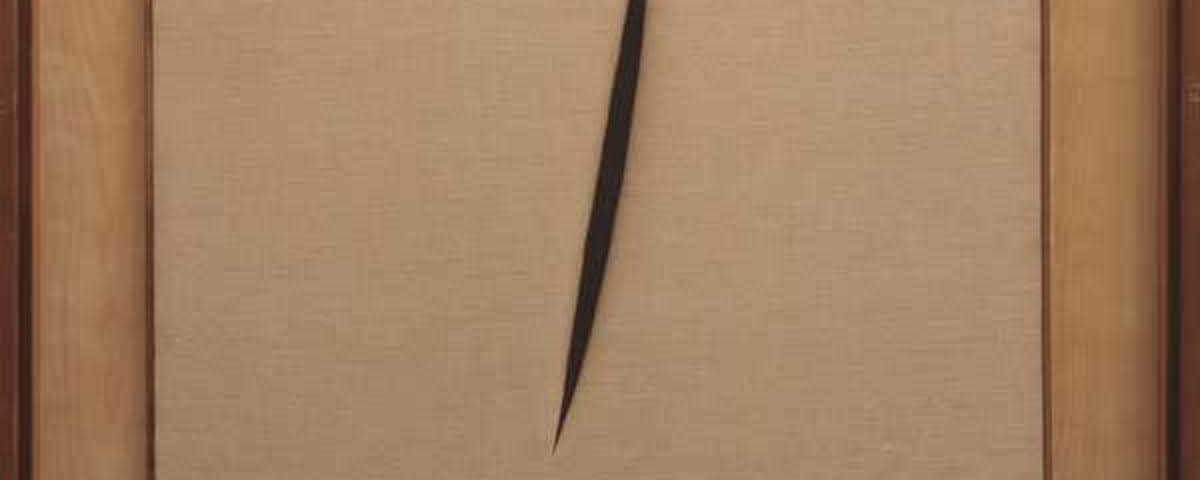
The School of Altamira (Escuela de Altamira) was an avant-garde art school and association founded in 1946 in Buenos Aires, Argentina, by the Argentine-born Italian artist Lucio Fontana together with his students, who that year published the Manifiesto Blanco (White Manifesto). The manifesto advocated the integration of art and science and a new, synthetic art based on movement through time and space: "Matter, colour and sound in motion are the phenomena whose simultaneous development makes up the new art". Its teachers included the painters Emilio Pettoruti and Raúl Soldi, with Jorge Romero Brest as professor of art history; in 1947 Perón ordered the academy dissolved. Fontana did not sign the manifesto but actively contributed to it, and he later expanded its ideas as Spatialism in five manifestos from 1947 to 1952. The academy should not be confused with the School of Altamira founded in 1948 in Santillana del Mar, Spain, by Mathias Goeritz and others, which took its name from the nearby Altamira cave with its prehistoric paintings. The School of Altamira is an important example of how peripheral art centres beyond Europe actively engaged with global modernist debates of the mid-twentieth century, forging their own original versions of the avant-garde.
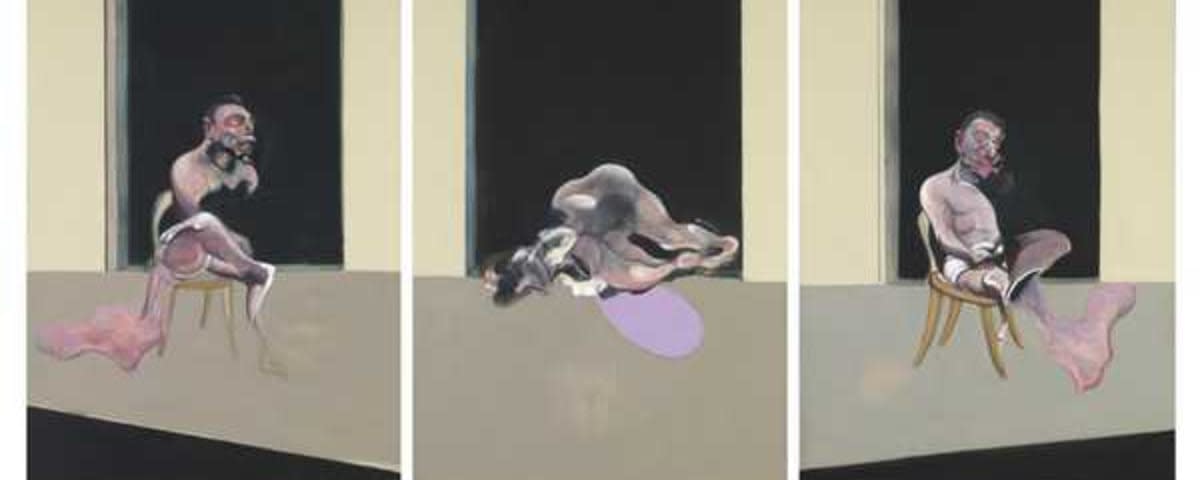
The School of London is a loose label for a group of artists who worked in London and, in the 1960s and 1970s, persistently developed figurative painting against the then-dominant currents of abstraction, Pop art and conceptualism. The term was popularised by the artist R. B. Kitaj, who in 1976, curating the exhibition The Human Clay, used it to describe a circle of artists united by their commitment to the depiction of the human figure and direct observation. The core of the group is traditionally taken to include Francis Bacon, Lucian Freud, Frank Auerbach, Leon Kossoff, Michael Andrews and Kitaj himself. These artists shared neither a common style nor a manifesto; they were united by the conviction that the human figure and bodily experience remain an inexhaustible source for modern art. Bacon created distorted, psychologically charged images; Freud painted nudes with an almost merciless physical precision; Auerbach and Kossoff laid down thick layers of paint, fixing the city and its people in dense matter. Many were émigrés or the children of émigrés, giving the movement a cosmopolitan dimension. The School of London demonstrated the vitality of the figurative tradition in an age of the avant-garde and helped revive interest in painting at the end of the twentieth century.
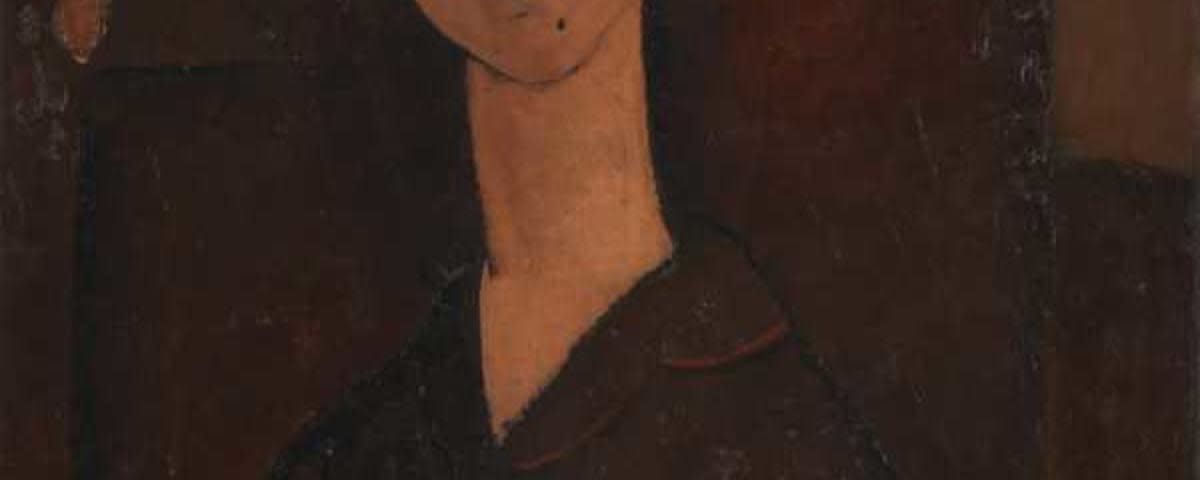
The School of Paris (École de Paris) is a collective term describing the diversity of artists who worked in Paris in the first decades of the twentieth century, when the city became a magnet for artists from around the world and the principal centre of innovation in modern art. It is not a school in the literal sense nor a single style, but rather a designation for an international creative community concentrated in the districts of Montmartre and Montparnasse. Fauvism, Cubism, Expressionism and abstraction intersected here, and artists' cafés and studios such as La Ruche became spaces for the exchange of ideas. A distinctive feature of the School of Paris was the large proportion of foreigners and émigrés: Pablo Picasso and Juan Gris from Spain, Amedeo Modigliani from Italy, Marc Chagall, Chaïm Soutine and Ossip Zadkine from Eastern Europe. Artists of Ukrainian origin made a significant contribution, including the sculptor Alexander Archipenko, Sonia Delaunay (née Stern; known before her marriage as Sonia Terk) and Mykhailo Boichuk, whose presence firmly places their work within the European artistic context. After the Second World War the term was also applied to a new generation of abstract painters. The School of Paris symbolises the era when Paris was the undisputed capital of world art.

The Scottish Colourists were a group of four Scottish painters who, in the early twentieth century, were among the first to bring the intense colour and bold handling of French Post-Impressionism and Fauvism to Britain. They were Samuel John Peploe, Francis Campbell Boileau Cadell, John Duncan Fergusson and George Leslie Hunter. Although they never formed a formal association, the four exhibited together three times, first in 1924 at the Galerie Barbazanges in Paris ('Les Peintres de l'Ecosse Moderne'); the name gained currency later, notably through T. J. Honeyman's book Three Scottish Colourists (1950). They were united by shared artistic orientations and close ties to Paris. All four lived or studied in France for extended periods and were influenced by Manet, Cézanne, Matisse and the Fauves. They painted brilliant still lifes, landscapes of the Scottish coast and islands, elegant interiors and portraits, combining saturated colour with decisive, simplified forms. Fergusson was the closest to the continental avant-garde and worked actively within the Paris milieu, while Peploe became famous for his refined still lifes of roses and tulips. The Scottish Colourists played a key role in modernising British painting, instilling in it a continental freedom of colour, and are today regarded as among the most important Scottish artists of the first half of the twentieth century.

The Scuola romana (Roman School) is a general term for artists who worked in Rome or had close ties to it in the 1920s and 1930s and who resisted the official classicising art of the Fascist era. It was not a single institution but rather several centres, notably the circle of artists of the Via Cavour (Scuola di Via Cavour), which included Mario Mafai, Antonietta Raphaël and Scipione (Gino Bonichi), as well as a broader grouping of so-called tonalisti. They were united by a striving for emotionally charged, often Expressionist painting, devoted to colour and the materiality of paint. The artists of the Roman School developed an intimate, lyrical and frequently anxious imagery — urban landscapes, still lifes, portraits, scenes of demolished houses — that contrasted with the monumental rhetoric of the regime's official art. Important figures also included the sculptor and painter Marino Mazzacurati; the expressive, almost hallucinatory canvases of Scipione anticipated post-war tendencies. Antonietta Raphaël, an artist of Jewish origin, brought a cosmopolitan and multicultural dimension. The Roman School became an important alternative to the state art of interwar Italy and prepared the ground for the post-war renewal of Italian painting.

The Sixties movement (Shistdesiatnyky) was a wave of creative and national awakening in Ukraine of roughly 1956 to 1968, which arose on the tide of the Khrushchev "Thaw" after the Twentieth Party Congress. This was a generation of artists, poets and thinkers who sought to restore to culture truth, freedom of artistic expression and national dignity, suppressed by decades of Socialist Realism and repression. In the visual arts the Sixtiers revived interrupted traditions — Boychukism, the Ukrainian Modern, folk art — fusing them with a contemporary plastic language. The hearth of the movement was the Kyiv Club of Creative Youth. Its central figure was Alla Horska, a monumentalist and activist who, together with like-minded colleagues, created the famous stained-glass window in honour of Taras Shevchenko at Kyiv University (1964), brutally destroyed by the authorities immediately upon its completion; Horska herself was murdered in Vasylkiv in 1970, in circumstances that remain unexplained. The circle included Opanas Zalyvakha, imprisoned for his convictions, Lyudmyla Semykina, Halyna Sevruk and Veniamin Kushnir. The movement was broader than the visual arts: it was nourished by the poets Vasyl Symonenko, Lina Kostenko and Ivan Drach, and by the poetic cinema of Sergei Parajanov, whose "Shadows of Forgotten Ancestors" (1965) became its visual emblem. The Sixtiers combined artistic work with human-rights activity, the circulation of samvydav and the defence of the Ukrainian language and history. The authorities answered with arrests and persecutions, which intensified after 1965 and effectively rolled back the Thaw. Despite the repressions, the movement laid the moral and aesthetic foundation of Ukrainian dissidence and of the later national revival. Shistdesiatnyky proved that authentic, free art was possible even under totalitarianism, and became a symbol of resistance to spiritual assimilation.
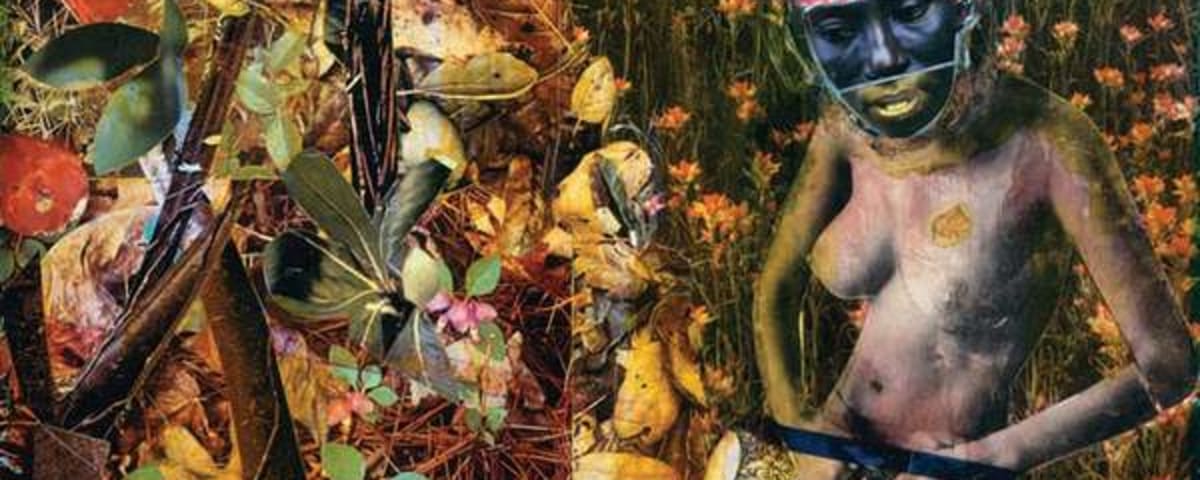
Spiral was a collective of African American artists founded in New York in 1963 on the initiative of Romare Bearden, Hale Woodruff, Norman Lewis and Charles Alston. The group was formed in the context of the civil rights struggle, with the immediate impetus being the historic March on Washington of 1963. The artists sought to discuss collectively how African American artists should respond to the political and cultural shifts in America and what their aesthetic and civic responsibilities might be. The name "Spiral" was proposed by Woodruff, referring to the Archimedean spiral that moves outward, embracing ever-wider spaces — a metaphor for forward progress. The members debated whether a distinct "black art" existed, the relationship between abstraction and figuration, and the role of the artist in social struggle. In 1965 the group held its only exhibition, in which the works were executed exclusively in black and white as a symbolic statement. Although Spiral was short-lived, it became an important milestone in the history of African American art and a forerunner of the Black Arts Movement, influencing later generations of artists who combined creativity with questions of identity and social justice.
The Stars group (Chinese: Xingxing) was a short-lived but historically important avant-garde association of self-taught artists active in Beijing from 1979 to 1983, shortly after the end of the Cultural Revolution. Its members included Wang Keping, Ma Desheng, Huang Rui, Ai Weiwei and other young artists, most of whom had no formal academic art training. The name "Stars" symbolised a striving for individuality and creative freedom in an era when official art was reduced to the canons of Socialist Realism in the service of the state. In September 1979, after the authorities rejected their application to exhibit, the artists defiantly hung their works on the railings of a park beside the National Art Museum of China, and later held a street demonstration under slogans of freedom of expression and democracy. These actions were among the earliest public appearances of the Chinese artistic avant-garde and were closely intertwined with the Democracy Wall movement. The works of the Stars were personal, critical and experimental in character, drawing on modernist forms. Although the group quickly disbanded and many of its members emigrated, it laid the foundations of contemporary Chinese art and remains a symbol of the struggle for creative independence.

The St Ives School is a loose name for the community of artists associated with the fishing town of St Ives in West Cornwall, which from the 1940s to the 1960s became an important centre of modern and abstract art in Britain. The picturesque coast, distinctive light and seclusion had attracted artists since the nineteenth century, but it was the arrival at neighbouring Carbis Bay in 1939 of Ben Nicholson, Barbara Hepworth and the Constructivist Naum Gabo that transformed the town into a hub of the avant-garde. The circle of St Ives artists included Peter Lanyon, Patrick Heron, Terry Frost, Roger Hilton and the potter Bernard Leach, as well as the self-taught painter Alfred Wallis, whose naive marine scenes inspired professional masters. Their art combined abstraction with a deep sense of the local landscape — the sea, cliffs, light and space of Cornwall. Many maintained ties with American Abstract Expressionism while retaining their own lyrical language rooted in nature. The St Ives School became one of the most important phenomena of post-war British art, and its legacy is today preserved by a branch of the Tate gallery, Tate St Ives, opened in 1993.
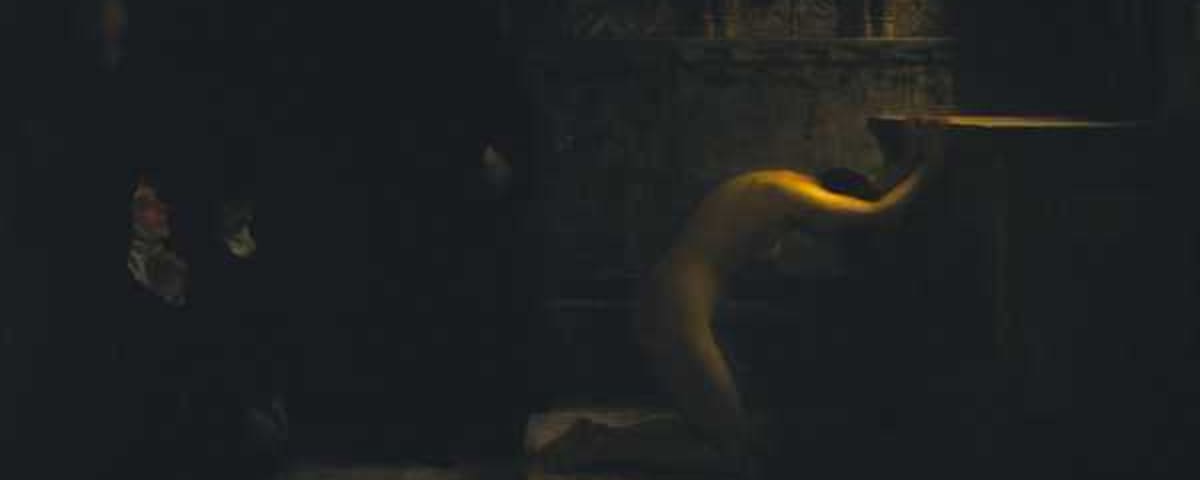
The St John's Wood Clique was a loose association of British painters who lived in the St John's Wood district of London in the 1860s to 1880s and sought to renew the approach to historical and genre painting. The group included Philip Hermogenes Calderon, George Dunlop Leslie, William Frederick Yeames, David Wynfield, John Evan Hodgson, Henry Stacy Marks and George Adolphus Storey. The name "clique" was used half-jokingly and emphasised the friendly, convivial relations within the circle. The artists gathered regularly to work together, socialise and offer mutual criticism, even holding ironic "competitions" on set themes. In their work they moved away from dry academicism, giving historical and literary subjects greater psychological liveliness, everyday detail and narrative appeal aimed at a broad Victorian public. The most famous painting associated with the group is Yeames's And When Did You Last See Your Father?, which depicts a scene from the English Civil War. Although the clique left no shared manifesto and did not form a distinct style, it is an interesting example of the informal artistic communities of Victorian London.
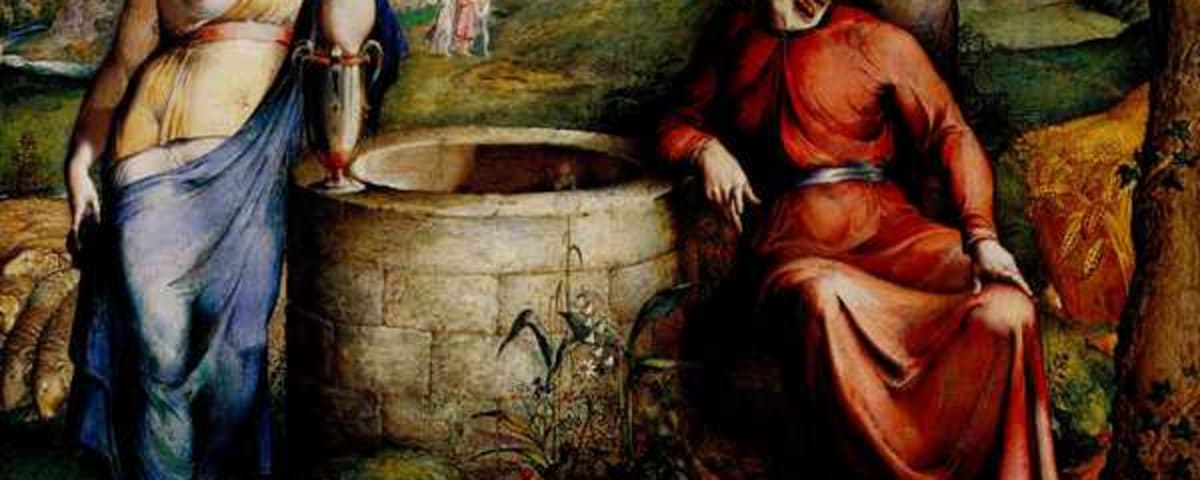
The Ancients were a circle of English visionary artists that formed in the 1820s around the poet and artist William Blake in the last years of his life, before his death in 1827. Young followers, among them Samuel Palmer, Edward Calvert, and George Richmond, reverently called Blake "the Divine One" and drew inspiration from his spiritual, anti-materialist outlook and his illustrations to Virgil. The group's name reflected their conviction that the ancient past was artistically and spiritually superior to their own age of industrialisation. The centre of their activity was the village of Shoreham in Kent, which they called the "Valley of Vision": there Palmer created his most poetic landscapes, saturated with mystical light and filled with the moon, ripening cornfields, and shepherds. The work of the Ancients combined Romantic spirituality with close observation of nature and later influenced English landscape painting and the revival of interest in Blake.

The Blk Art Group was an association of young Black artists founded in Wolverhampton, England, in 1979 that raised questions about what Black art is, what its identity might be, and what it could become in the future. The core of the group consisted of art students Eddie Chambers, Keith Piper, Donald Rodney, Marlene Smith, Claudette Johnson, and Wenda Leslie, all of them children of Caribbean migrants. Their art was openly political and confrontational: using collage, photomontage, painting, and text, they explored racism, police violence, the legacies of slavery and colonialism, and the everyday experience of Black youth in Thatcher-era Britain. The group organised exhibitions and conferences, notably the first National Black Art Convention in 1982, which made it a catalyst for the broader British Black Arts Movement. Although the association was short-lived, its members went on to become leading figures in contemporary British art.
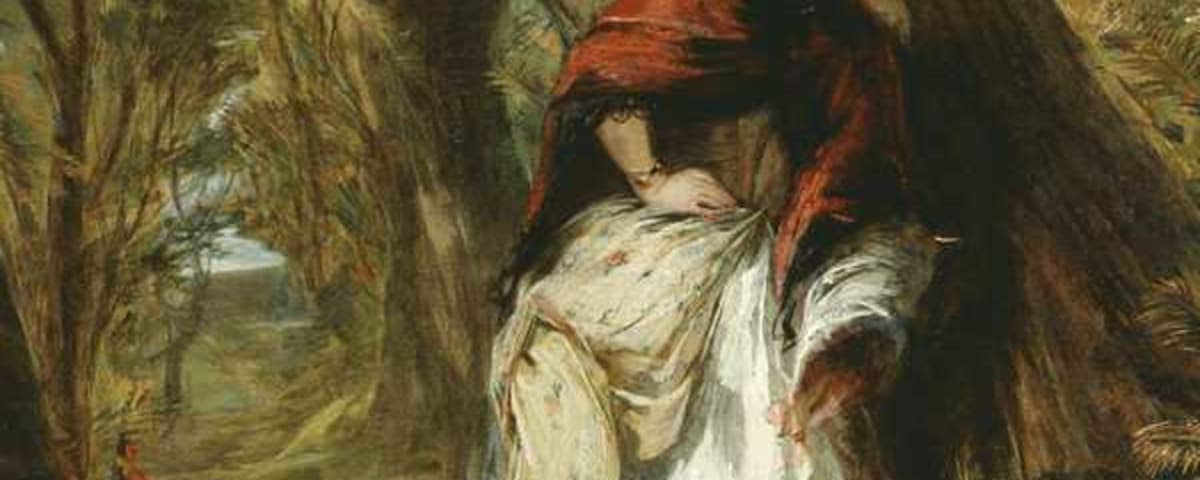
The Clique was an informal society formed around 1837 by a group of friends during their studies at the Royal Academy of Arts in London. Its members—the young artists Richard Dadd, William Powell Frith, Augustus Leopold Egg, John Phillip, Henry Nelson O'Neil, and Edward Matthew Ward—met regularly in the evenings to draw on set literary or historical themes and then jointly discussed and criticised one another's work. They admired the genre and everyday painting of David Wilkie and illustrative subjects from Shakespeare, Walter Scott, and Byron, while rejecting the grand historical manner promoted by the academy. Most members of the Clique went on to successful careers: Frith became famous for his crowded panoramas of Victorian life, while the tragic fate of Richard Dadd—who, owing to mental illness, created his fantastical masterpieces in an asylum—lent the group a special aura. The society remains a notable episode of British art on the eve of the Pre-Raphaelites.
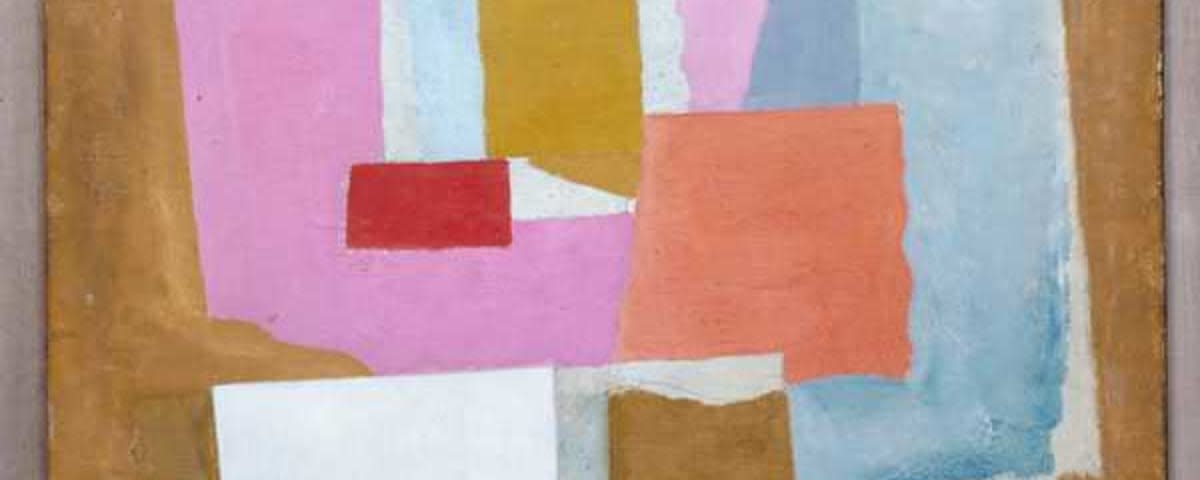
The Seven and Five Society was a British association of artists founded in London in 1919; the name referred to its original membership of seven painters and five sculptors. At first the group was fairly conservative and can be seen as a British manifestation of the "return to order" (retour à l'ordre) that swept European art after the First World War. In its first statement the society even declared that it had no wish to promote "any startling new theories." During the 1920s the character of the society changed dramatically as modernist artists joined it, notably Ben Nicholson, who later led the group, together with Christopher Wood, Winifred Nicholson, Ivon Hitchens and the sculptors Barbara Hepworth and Henry Moore. Under Nicholson's influence the society evolved towards abstraction, and in 1935 it held the first exhibition of purely abstract art in Britain, after which the association was renamed the "7 & 5 Abstract Group." The society soon disbanded, but it played a key role in the formation of British modernism, serving as a bridge between tradition and the avant-garde and nurturing leading masters of the twentieth century.

Unit One was a British group of painters, sculptors and architects founded in 1933 on the initiative of Paul Nash to promote modern art, architecture and design in Britain. Nash announced the group's formation in a letter to The Times, stressing the need for an expressive, conscious and systematic movement towards modernism that would counter the insular conservatism of British culture. The name was meant to symbolise unity of purpose while preserving the individuality of each member. The group included leading figures of future British modernism: the sculptors Barbara Hepworth and Henry Moore, the painters Ben Nicholson, Edward Wadsworth, John Armstrong and Tristram Hillier, and the architects Wells Coates and Colin Lucas. Within Unit One two tendencies coexisted — abstraction and Surrealism — reflecting broader currents of the European avant-garde. In 1934 the group held an exhibition that toured British cities and published a book-manifesto of the same name edited by Herbert Read. Although the association lasted only about two years, it played a decisive role in the emergence of British modernism in the 1930s.

The Useful Art Association (Asociación de Arte Útil) is an initiative and theoretical platform developed by the Cuban artist Tania Bruguera, which champions the concept of "useful art" (arte útil) — art as a process that has a real, practical impact on society rather than being a rare experience of passive contemplation. Within this approach art is understood not as an object in a museum but as a tool that offers concrete solutions to pressing social, political and economic problems. Bruguera and the project's co-creators assembled an archive of historical and contemporary examples of "useful art" — initiatives that rethink resources, spaces and institutions for the public good. The key criteria of arte útil are that a project should propose a new use of art in society, challenge established understandings of the artist's role, work with real communities and produce a measurable result. This concept is connected to broader currents of socially engaged art, participatory and relational practices. The Useful Art Association was realised through exhibitions and "museums of arte útil," including in collaboration with institutions such as the Van Abbemuseum in the Netherlands, becoming an influential model of activist art in the twenty-first century.