




Hi-Red Center
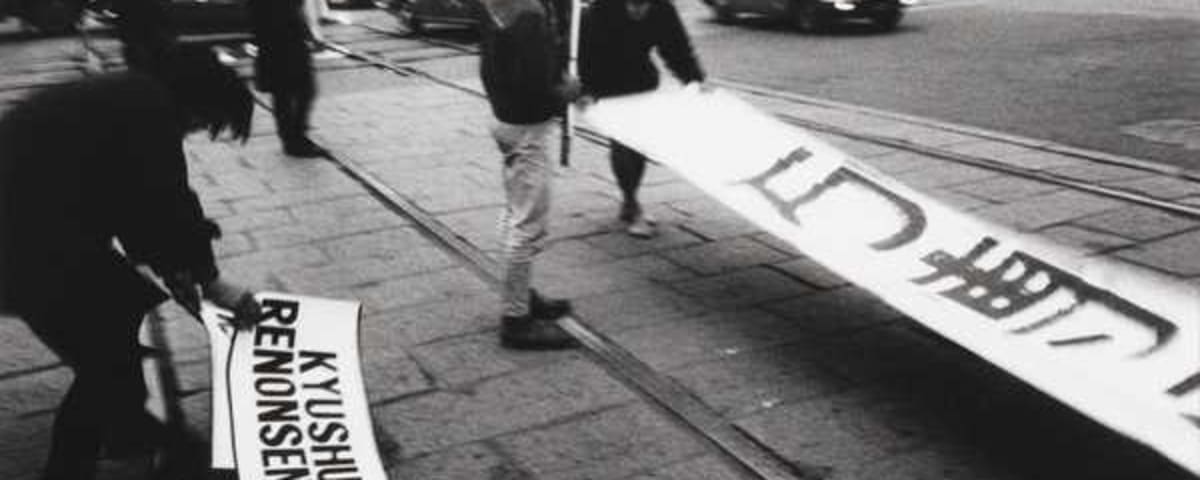
Hi-Red Center was a short-lived radical art collective that arose in postwar Japan and was active in 1963 and 1964. The group was founded by three artists, Jiro Takamatsu, Genpei Akasegawa and Natsuyuki Nakanishi; the name itself is a wordplay based on the first characters of their surnames, which in Japanese relate to the words high, red and centre. The collective worked in the fields of performance, happenings and conceptual actions, dissolving the boundary between art and everyday life. Its most famous actions were provocative street events in Tokyo, notably the so-called Cleaning Event of 1964, in which participants in white coats ostentatiously scrubbed and disinfected the pavements of the city's business district, an ironic comment on the obsession with cleanliness and order during the Tokyo Olympics. Hi-Red Center operated in the context of the Japanese avant-garde of the 1960s, akin to the international Fluxus and Neo-Dada movements. Despite its very brief existence, the group had a marked influence on the development of Japanese conceptual art and performance.




