




Olympians
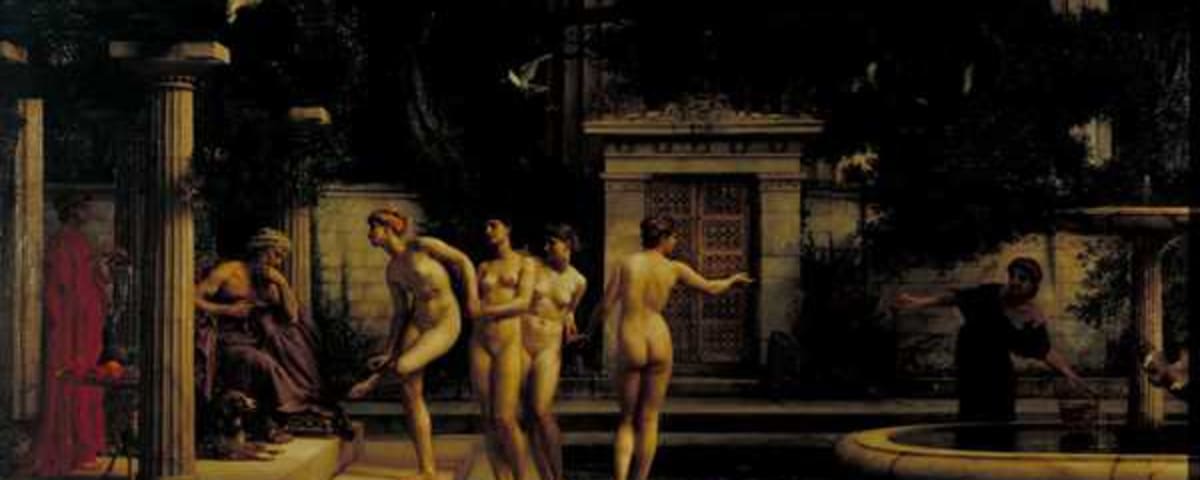
Olympians is a term often used to describe certain British artists of the Victorian era whose work emphasised classical elements in both style and subject matter. These artists worked mainly in the second half of the nineteenth century and drew inspiration from the art and life of ancient Greece and Rome, creating elegant, meticulously executed scenes of the ancient world. The nickname Olympians points at once to the classical, Olympian subject matter of their works and to the lofty, prestigious status they attained in the art world of the time. The leading representatives of this circle are usually held to be Frederic Leighton, Lawrence Alma-Tadema, Edward Poynter and Albert Moore. Their paintings are distinguished by flawless technique, a love of marble, fabrics and luxurious settings, idealised nude or draped figures and an overall mood of serene, timeless beauty. The work of the Olympians was close to academic classicism and Aestheticism and closely bound up with the culture of late Victorian Britain. Many of these artists held high office; Leighton and Poynter, in particular, presided over the Royal Academy. Later, with the advent of modernism, their art long fell out of fashion, but in the twentieth and twenty-first centuries interest in it revived.




