




Euston Road School
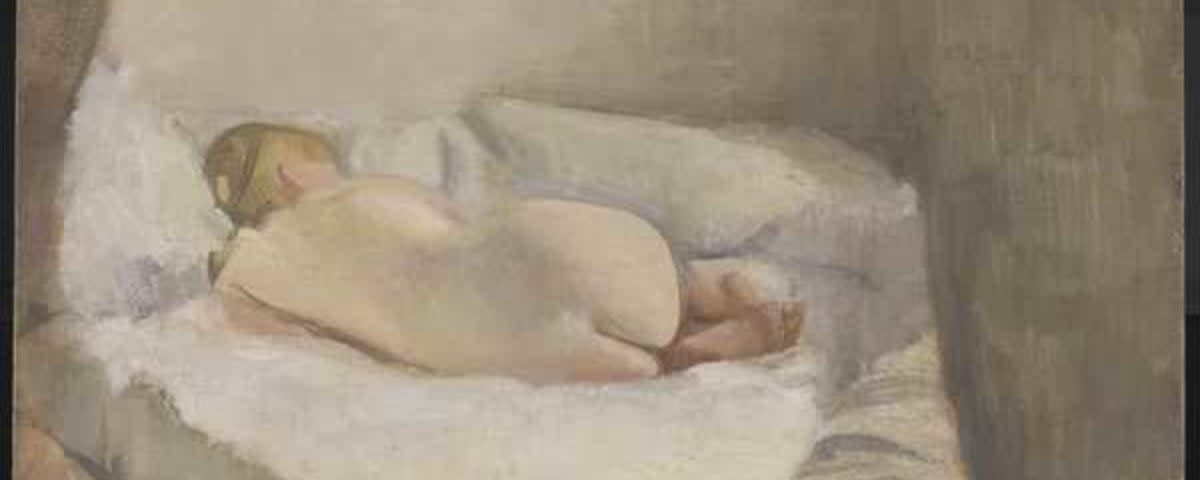
The Euston Road School was a British realist grouping formed in 1938 from artists who taught or studied at a private School of Drawing and Painting at 316 Euston Road in London. Its founders were William Coldstream, Victor Pasmore and Claude Rogers (Graham Bell was a substantial theoretical influence on them), who, responding to the political tension of the pre-war era and to abstraction's growing detachment from life, returned to close, restrained observation of nature. Their style was marked by a sober, almost austere objectivity: a muted palette, meticulous measuring of proportions by eye (a method Coldstream refined to near-scientific precision), and a focus on everyday motifs—portraits, urban views, and modest interiors. The school shared left-wing, socially conscious convictions and sought to make art accessible to a wider public. Although the establishment closed as early as 1939 with the outbreak of war, its approach to figurative painting had a lasting influence on British art education, notably through Coldstream's later teaching career.




