

Ukrainian art & cultureOnline


Other dimensions of culture
Other dimensions of culture





Test mode: all content on this site is for testing and will be removed at launch.
Art Glossary
Ukrainian Art&Culture online glossary of art terms covers movements, styles and techniques such as Impressionism, Printmaking, Video art and more.

from Realismto Cyberpunk
34from Oilto 3D Modeling
8from Paintingto Design
7from Trypilliato Contemporary
2326 terms
The albumen print is a type of photographic print invented in 1850 and widely used through the second half of the nineteenth century. It was made from paper coated with albumen (egg white) mixed with salts, then sensitised with a silver solution; the image formed directly under the action of light through a negative. Developed by Louis Désiré Blanquart-Evrard, the method produced a smooth glossy surface, fine detail and characteristic warm, purplish-brown tones, especially after gold toning. The albumen print became the dominant positive-printing technology for decades and prevailed in the era of the carte-de-visite portrait and the landscape view. Enormous numbers of nineteenth-century photographs were made in this technique, including early views of Ukrainian towns, architectural monuments and people, which are now valuable historical sources. Because of their organic base, such prints tend to yellow and fade over time and require careful preservation in museum and archival collections.

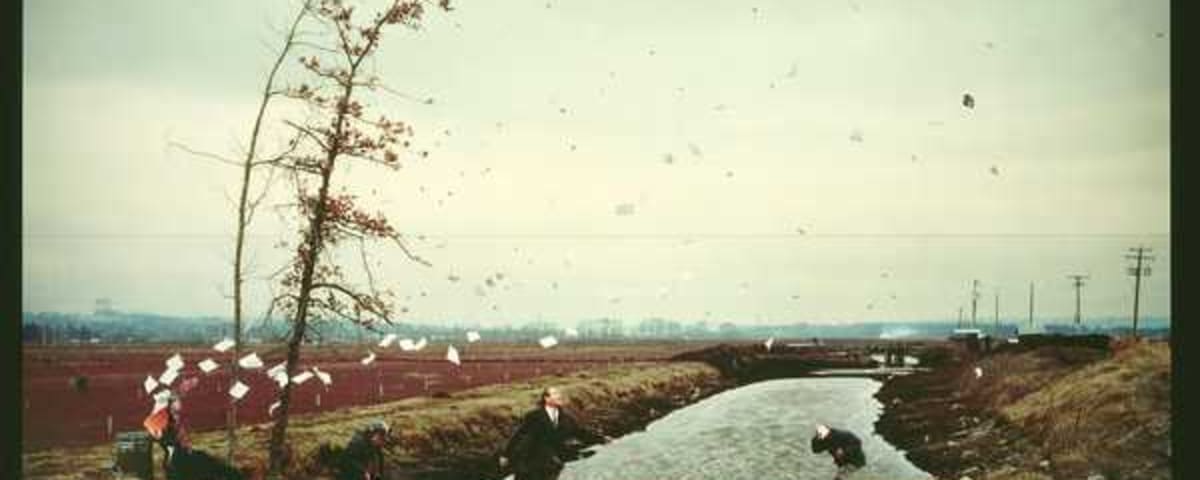
Conceptual photography is a type of photography in which the image primarily illustrates or embodies an idea rather than aiming at a purely aesthetic or documentary depiction of reality. It emerged within the conceptual art of the 1960s and 1970s, when thought, intention and language became more important than skill of execution. In this approach photography often serves merely to record a performance, an action, a series or a logical sequence, rather than functioning as a self-sufficient "beautiful shot." Artists such as John Baldessari, Sophie Calle, Ed Ruscha, and Bernd and Hilla Becher with their typologies of industrial structures used the camera as a tool for research, classification and critique of the medium itself. Conceptual photography is frequently accompanied by text, an instruction or a system of rules that generate the work's meaning. This intellectual, idea-driven approach greatly expanded the boundaries of photography and shaped contemporary art, including the practices of Ukrainian authors who combine image with reflection on memory, history and identity.

A C-print (C-type print, chromogenic print) is a photographic print made from a colour negative or slide on chromogenic photographic paper. Such paper has several emulsion layers sensitive to different parts of the spectrum; during development the chemicals react with dye couplers to form a full-colour image from cyan, magenta and yellow dyes. The name "C-type" comes from Kodak's chromogenic paper "Type C" (1955). This was the principal technology for colour photographic printing throughout much of the twentieth century, from amateur snapshots to large-format artworks. It was on chromogenic paper that the masters of the so-called Düsseldorf School and many strands of contemporary photography printed their large-scale works, seeking saturated colour and a museum-quality format. Although the organic dyes can fade over time, the C-print remains the classic analogue method of producing a colour print and an important part of the history of the photographic medium, familiar also to Ukrainian photographers of the analogue era.

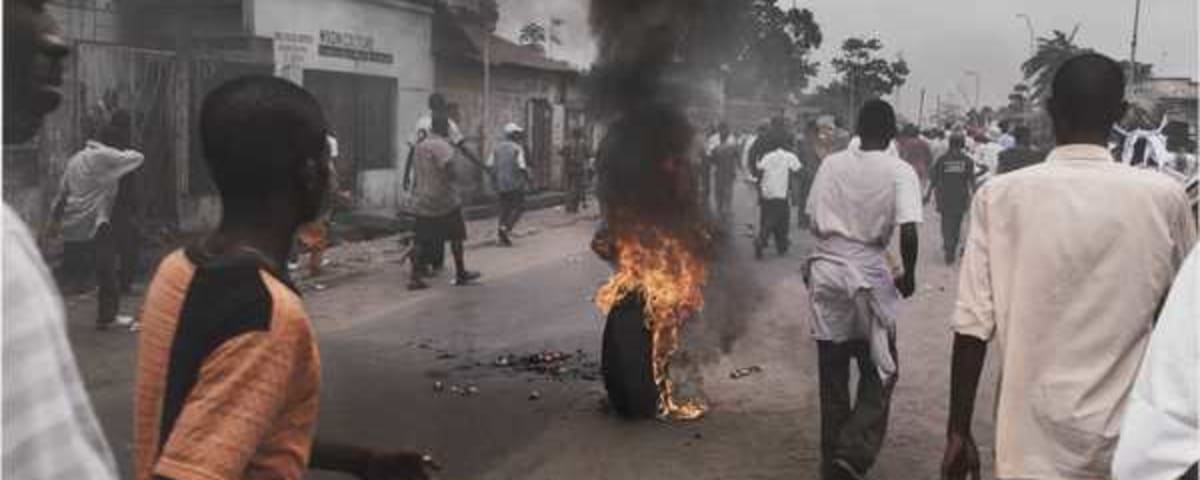
Documentary photography is a style of photography that provides a direct, accurate and truthful depiction of people, places, objects and events; it is often used in reportage and is intended to bear witness to reality. Unlike staged or purely artistic photography, documentary work seeks minimal interference with its subject, emphasising authenticity and context. Its tradition reaches back to the nineteenth century and flourished in the twentieth, when photographers recorded social ills, wars and everyday life. The classics of the genre include Jacob Riis and Lewis Hine, who photographed the living conditions of the poor and child labour, as well as the master photojournalists of the Magnum agency. Documentary photography plays a key role in shaping historical memory and civic consciousness. In Ukraine it has acquired particular significance during the Revolution of Dignity and the war, when photographers, often risking their lives, document crimes, suffering and human resilience, creating a visual archive of the nation's history.
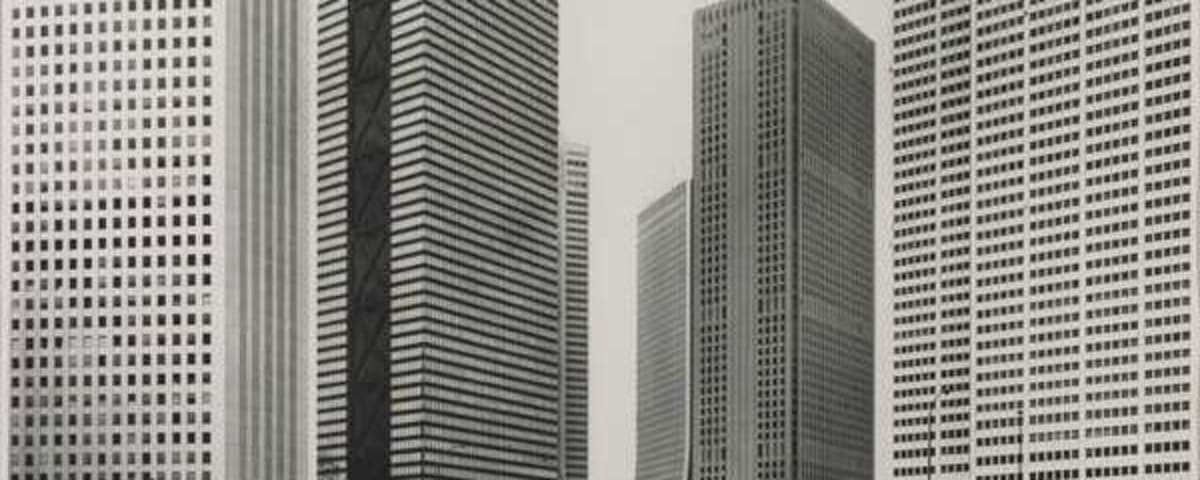
The Düsseldorf School of Photography was a group of students at the Düsseldorf Art Academy (Kunstakademie Düsseldorf) who from the mid-1970s studied under the influential photographers Bernd and Hilla Becher. The Bechers became famous for their austere black-and-white "typologies", systematic series of images of industrial structures (water towers, blast furnaces, gas holders) shot in neutral light and under identical conditions. Their analytical, objective method trained a whole generation of artists, including Andreas Gursky, Thomas Struth, Candida Höfer and Thomas Ruff. These authors transferred the principles of conceptual rigour to large-format colour printing, often on a monumental scale, depicting architecture, museums, interiors and the landscapes of contemporary globalised civilisation. The Düsseldorf School made photography a full participant in the international art market and museum collections, greatly influencing the understanding of photography as an independent major art form, including for contemporary authors in Eastern Europe and Ukraine.

A dye destruction print (Cibachrome print, Ilfochrome print) is a print made by a photographic process in which colour dyes already embedded in the paper's emulsion are selectively bleached, that is destroyed, to create the colour image. Unlike chromogenic printing, where dyes are formed during development, here azo dyes are pre-incorporated into several light-sensitive layers, and wherever light acts the excess dye is chemically destroyed. The technology, commercially known as Cibachrome and later Ilfochrome, delivered exceptional saturation, purity of colour and remarkable resistance to fading, along with a deep glossy sheen thanks to its polyester base. These qualities made the process a favourite among masters of colour art photography, who printed large-format exhibition works from transparencies. Although manufacture of the materials ceased in the early 2010s, dye destruction prints remain a benchmark of permanence and colour quality in the history of analogue photographic printing.
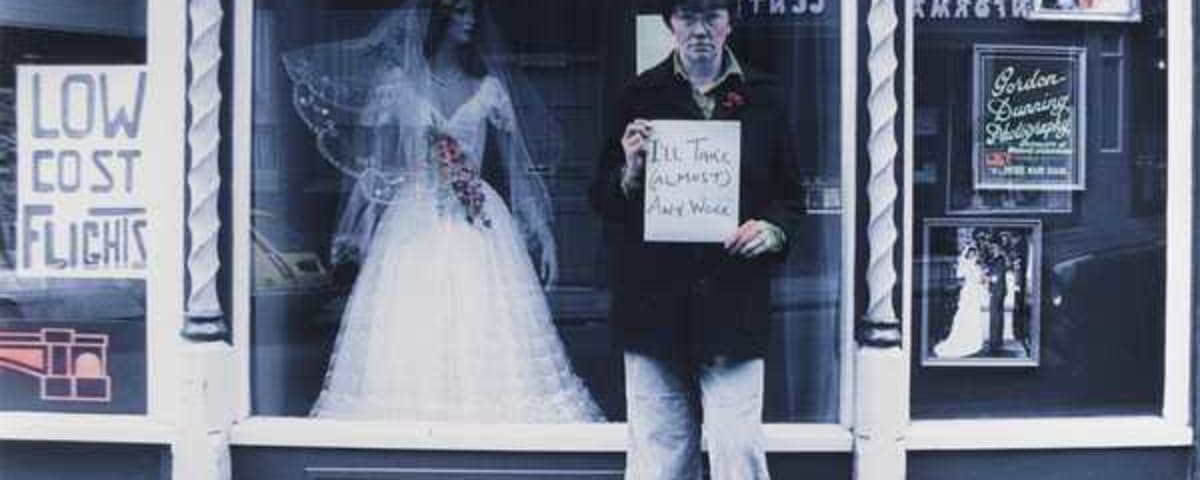
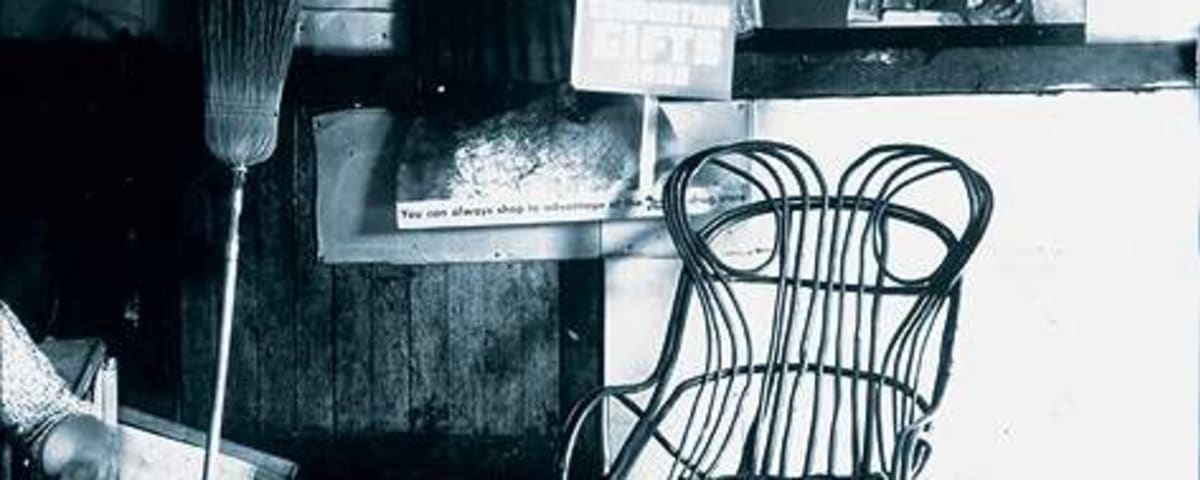
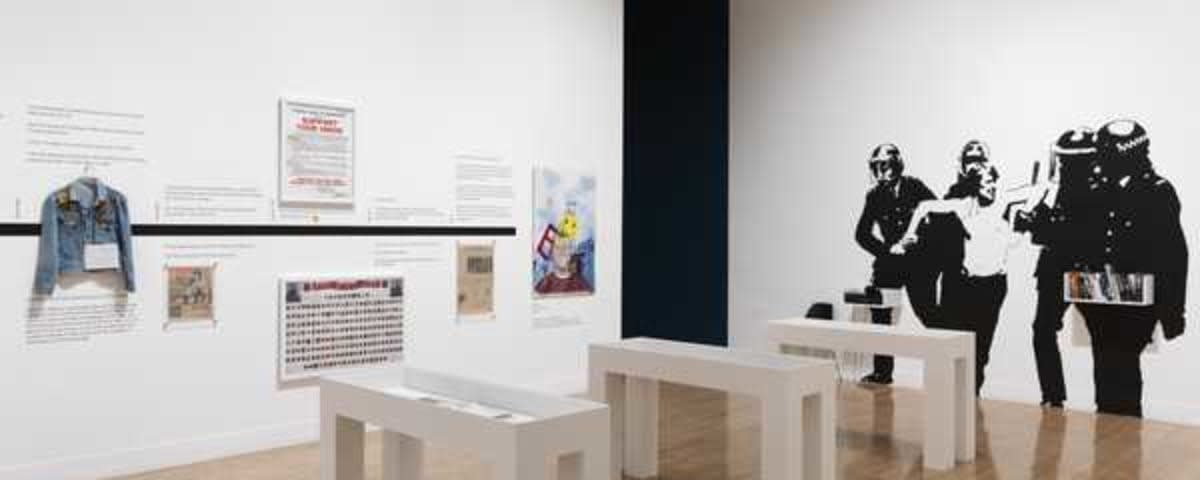
The Hackney Flashers were a women's art collective active in Britain from 1974 to 1980. Most of its members were photographers who identified as socialists and feminists and sought to combine documentary photography with political analysis. The collective worked in the London borough of Hackney, examining the position of women in paid work, the household and childcare. Their best-known projects were the exhibitions Women and Work (1975) and Who's Holding the Baby? (1978), in which photography was combined with texts, statistics, montage and satirical collage to expose invisible and unpaid women's labour and the shortage of affordable childcare. The members deliberately rejected individual authorship in favour of a collective, critical practice. The Hackney Flashers became a notable example of feminist documentary and agitational art of the 1970s that used photography as a tool of social consciousness and activism, and their legacy continues to inform discussions of gender, labour and representation in photography.

Hyperrealism is a movement in painting and sculpture that emerged in the late 1960s and early 1970s in the United States and Europe as a development of Photorealism and a reaction against the dominance of abstraction and conceptualism. Its aesthetic rests on a scrupulous, almost obsessive reproduction of visible reality as mediated by photography: the artist deliberately works from the photograph as a source, transferring to the canvas not nature itself but its optical image. Its formal marks are extreme detail, a flawlessly smooth surface without any trace of brushwork, the precise rendering of highlights, reflections and the textures of glass, metal, chrome and skin, and often an enlarged scale and frontal composition. Unlike naïve illusionism, hyperrealism reflects on the very nature of the image in the age of media, emphasizing artificiality and the cold detachment of the camera's gaze. The movement's classics are Chuck Close with his monumental portraits, Richard Estes with his mirror-like urban storefronts, Robert Bechtle and Ralph Goings, and in sculpture Duane Hanson and John De Andrea with their startlingly lifelike human figures. Its contemporary phase, the hyperrealism of the twenty-first century, develops the body, skin and portrait with microscopic precision (Gottfried Helnwein and the sculptor Ron Mueck). The movement demands virtuoso technical mastery while posing a philosophical question about the boundary between reality and its copy, and about the truth of the image in a society saturated by photography and the screen.
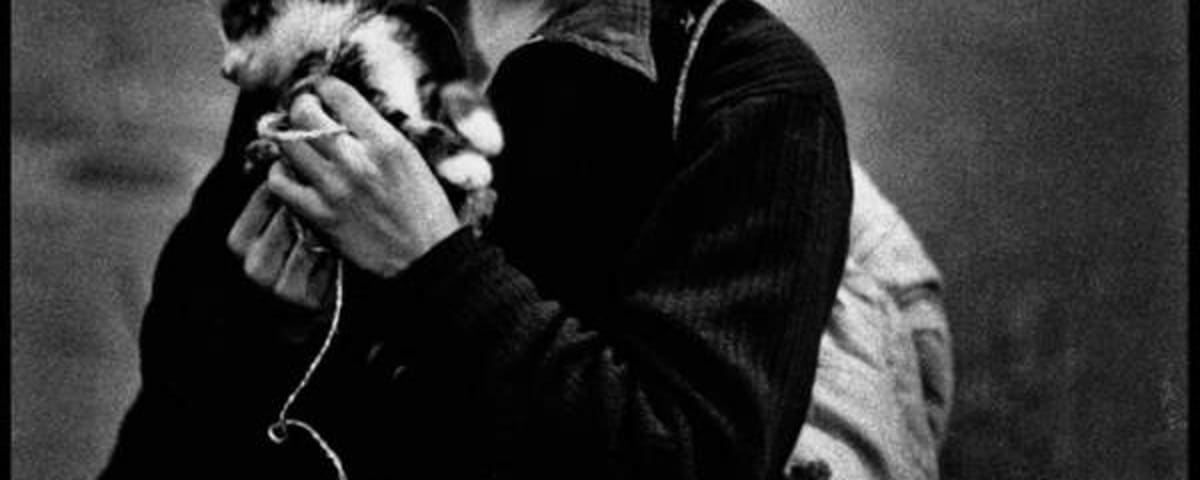
Magnum Photos is a photographic cooperative founded in 1947, notably in New York and Paris, with the aim of giving photographers the freedom to record what they judged important without submitting to the editorial agendas of magazines and newspapers. Its founders included Henri Cartier-Bresson, Robert Capa, David "Chim" Seymour and George Rodger, legends of photojournalism who wanted to retain copyright and control over their own images. The cooperative, owned by the photographers themselves, established high standards for independent documentary photography and photojournalism, combining testimony about world events with a distinctive personal vision. Cartier-Bresson articulated the influential idea of the "decisive moment", the instant when form and event coincide in a perfect composition. Over the decades Magnum recorded wars, revolutions, everyday life and culture across all continents, including events in Ukraine. The agency remains a model of ethical, authorial photography and one of the most prestigious institutions in the world of the documentary image.

The Market Photo Workshop is an educational and artistic institution founded by the documentary photographer David Goldblatt in 1989 in Johannesburg. It was created initially to support black photographers under apartheid in South Africa, when racial segregation denied most of the population access to artistic education and professional opportunity. The workshop offered practical skills, critical training and a space where photographers could reflect on their own society and document the struggle for dignity and freedom. With the fall of apartheid it grew into one of the leading platforms of South African photography, nurturing a generation of influential authors, among them Zanele Muholi and Jodi Bieber. The Market Photo Workshop combines teaching, exhibition activity and a civic mission, emphasising the role of photography in shaping memory, identity and social justice. Its experience is a vivid example of how art education can be an instrument of emancipation, which resonates with the role of culture in Ukrainian civil society.

A photobook is a book of photographs conceived and sequenced by the photographer or curator so that the images share a common theme, idea, or narrative line. Unlike a casual album, the photobook is a unified work of art in which the order of pictures, the layout, the rhythm of spreads, the printing, and even the choice of paper all carry meaning. The form flourished in the twentieth century, when documentary, poetic, and conceptual photobooks became a major mode of expression. Within the Kharkiv School of Photography, the Ukrainian artist Boris Mikhailov produced several influential photobooks, among them Case History, which fuse social urgency with intimate voice. Contemporary Ukrainian photographers use the photobook to explore memory, identity, and the experience of war. Because it is reproducible and affordable, the photobook democratizes art, carrying an author's vision to a broad audience beyond the museum wall.
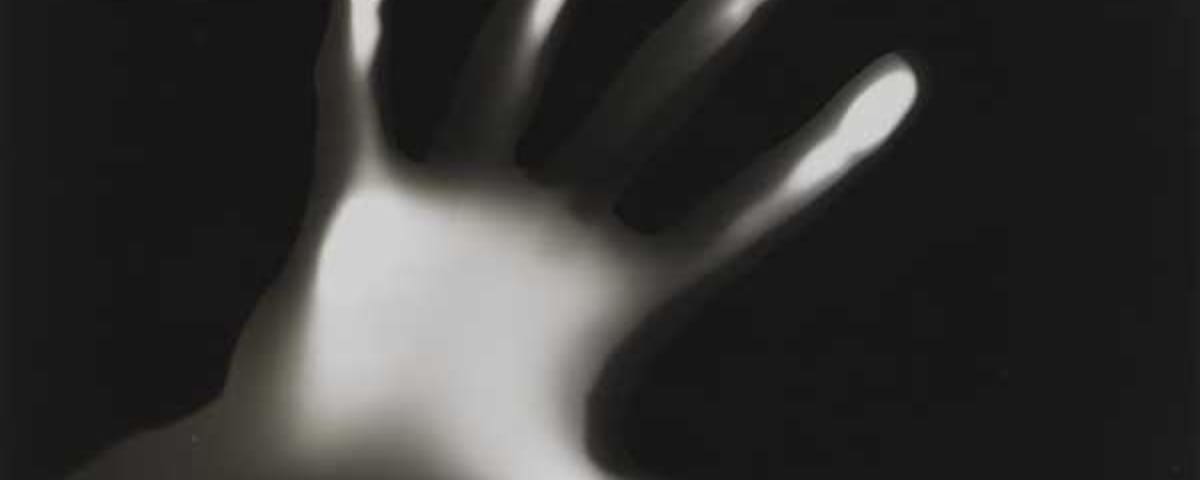
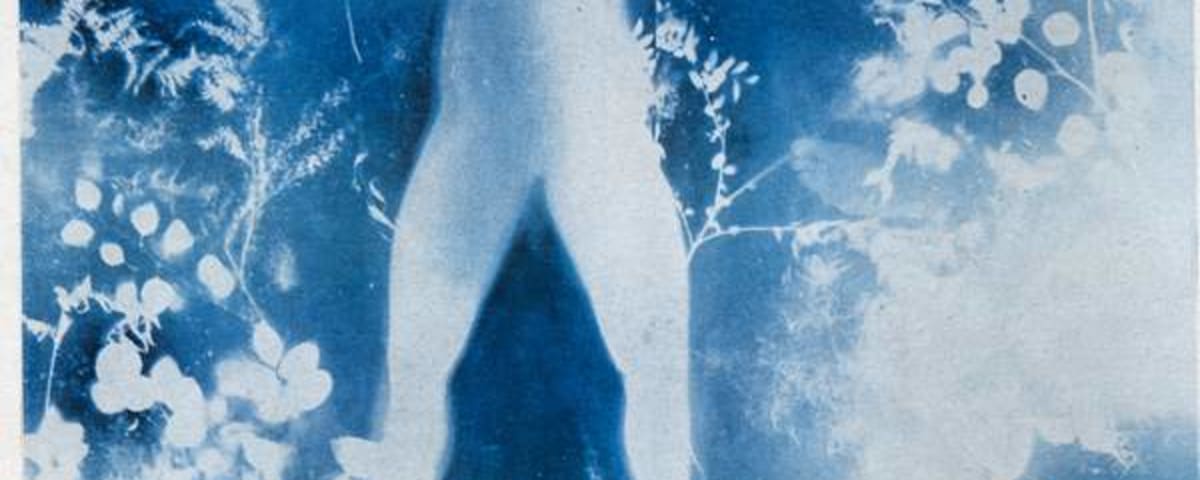
A photogram is a photographic image made without a camera: objects are placed directly on light-sensitive paper, which is then exposed to light. Areas covered by objects stay pale, while exposed areas darken, producing silhouettes, translucent contours, and subtle tonal gradations. The technique reaches back to the early photogenic drawings of William Henry Fox Talbot and the botanical cyanotypes of Anna Atkins. In the 1920s avant-garde artists raised the photogram to an independent art: Laszlo Moholy-Nagy, Christian Schad with his schadographs, and Man Ray with his rayographs treated it as a way to explore the pure play of light and form. The photogram lays bare the very nature of photography, the action of light upon a sensitive material, and it remains a favored tool of experimental and educational practice, including among Ukrainian artists working at the border of abstraction and document.

Photography is the process and practice of making images by the action of light on a light-sensitive material, as well as the images so produced. Invented in the late 1830s through Louis Daguerre's daguerreotype and Talbot's calotype, it quickly transformed ideas of the image, the document, and memory. Photography spans a vast range, from scientific recording and photojournalism to Pictorialism, modernist experiment, and conceptual art. Over the twentieth century it established itself as a full art capable of an autonomous aesthetic. Ukraine has a rich photographic tradition: the travel writer and photographer Sofia Yablonska, and later the internationally celebrated Kharkiv School of Photography (among its members, Boris Mikhailov), which developed a sharply social and poetic approach. The digital revolution democratized the medium and made it ubiquitous, while sharpening questions of truth, authorship, and the ethics of the image in an age of mass visual culture.
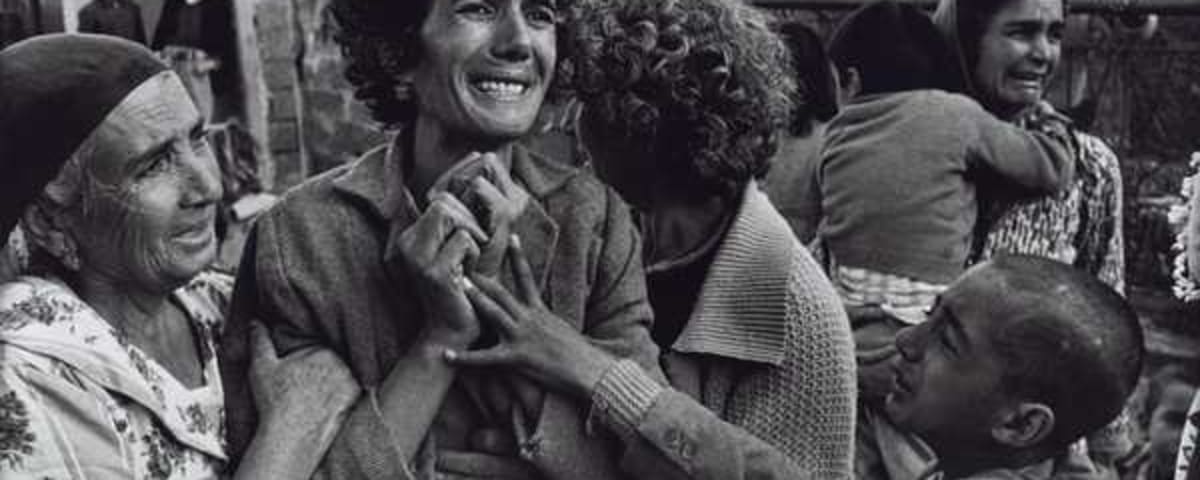
Photojournalism is a form of journalism that tells a news story chiefly through powerful photography. It demands a union of accuracy, timeliness, and ethical responsibility: the picture must be a truthful witness to an event rather than a staged construction. Photojournalism flourished in the era of the mid-twentieth-century illustrated magazines and the spread of portable cameras that made it possible to capture the decisive moment. The field includes spot news, essayistic reportage, and war photography. Ukrainian photojournalism has deep roots; the photographer Yevgeny Khaldei, born in Yuzivka (today Donetsk), made some of the most famous war images of the twentieth century. Since 2014, and especially after the full-scale invasion, Ukrainian photojournalists have documented the war, earning international recognition and creating a visual chronicle of national resistance. The ethics of authenticity and the safety of authors remain central challenges of the profession.
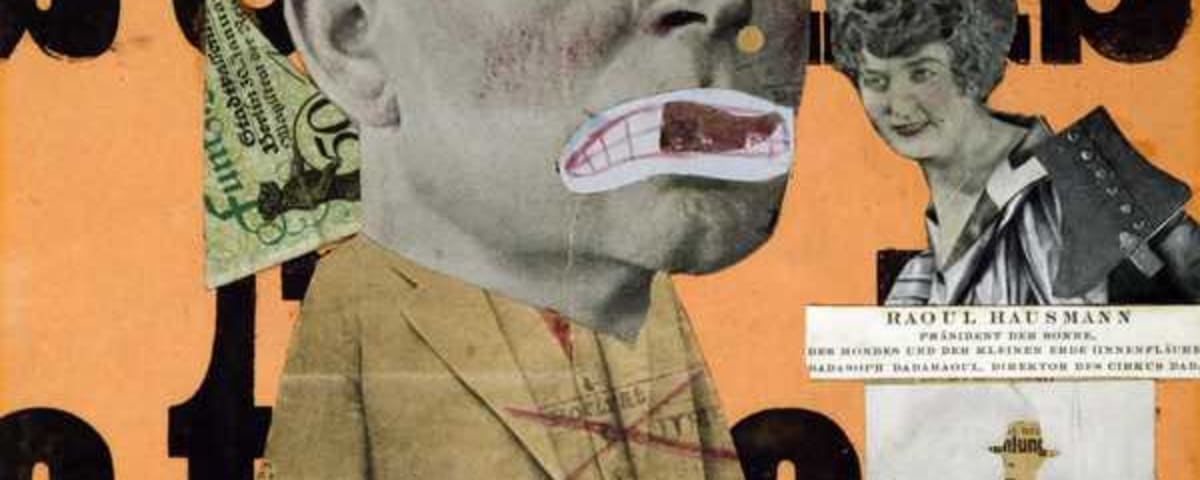
Photomontage is a technique, and its product, in which a new image, printed page, or composition is assembled from cut and combined photographs, often together with text. Unlike seamless retouching, classic photomontage deliberately shows its seams and collisions, generating sharp political or poetic meanings. The technique flourished with Dada and Constructivism in the early 1920s: Hannah Hoch, Raoul Hausmann, and especially John Heartfield, who turned photomontage into a powerful anti-fascist weapon of the poster. Within the Ukrainian avant-garde the Kharkiv artist Vasyl Yermilov used collage and montage methods, combining photography, typography, and geometric form. Photomontage remains a living tool of advertising, book design, and political art, and in the digital age its logic has become the ubiquitous foundation of image editing.

Photorealism is a style of painting and drawing that emerged in the United States and Europe in the late 1960s, based on the meticulous, almost photographically exact rendering of an image, usually taken from an existing photograph. Artists projected photographs onto canvas or transferred them by grid, achieving an impersonal, smooth surface free of emotive brushwork. Leading practitioners include Chuck Close with his monumental portraits, Richard Estes with his glittering urban storefronts, Audrey Flack, and Ralph Goings. Photorealism arose as a reaction against the subjectivity of Abstract Expressionism and at the same time as a reflection on the age of mass photography and advertising. It raises questions about the nature of seeing, of copy and original, and about the line between mechanical reproduction and handcraft. The style influenced hyperrealist sculpture and remains relevant in contemporary painting, including among Ukrainian realists.
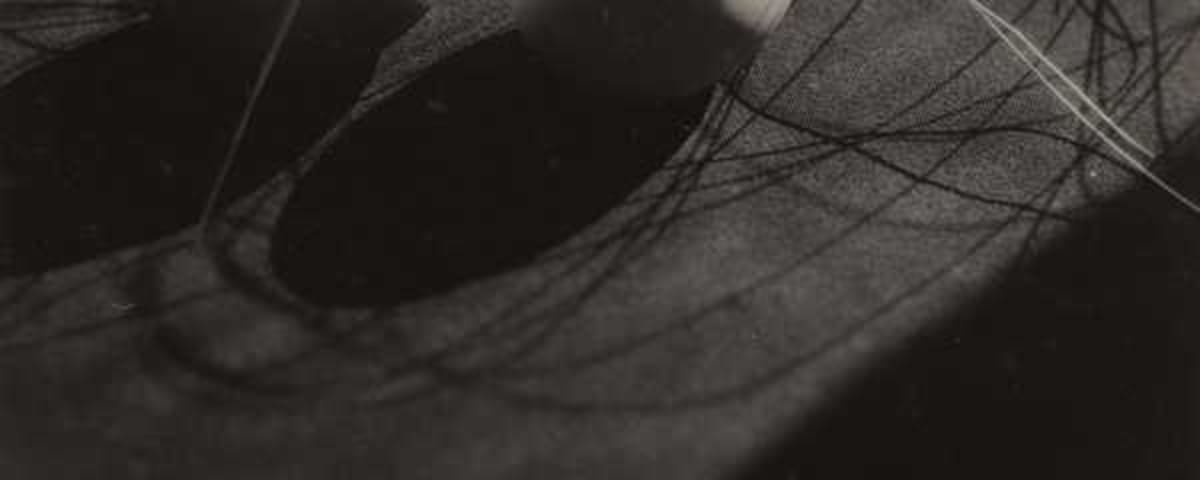
The New Vision was a photographic movement of the 1920s closely tied to the ideas of the Bauhaus and to the theorist and artist Laszlo Moholy-Nagy. Its central claim was that the camera could see the world differently and more fully than the human eye, and therefore photography possessed an aesthetic of its own, independent of painting. Typical devices included steep high and low viewpoints, diagonal compositions, dramatic contrasts of light and shadow, extreme close-ups, double exposures, and experiments with the cameraless photogram. Moholy-Nagy set out these principles in influential writings that called for cultivating a new vision as a renewed mode of perceiving reality. The movement shaped Constructivist and experimental photography across Central and Eastern Europe, including the avant-garde searches of Ukrainian artists of the 1920s who joined documentary purpose with formal invention. The New Vision helped establish the modernist understanding of photography as an autonomous art.

The Photo-Secession was an association of American photographers founded in New York in 1902 by Alfred Stieglitz, who championed photography as a fine art equal to painting and printmaking. Its name echoed the European Secessions that broke with academic tradition. The circle included Edward Steichen, Gertrude Kasebier, Clarence White, and others. Aesthetically the movement rested on Pictorialism, favoring soft focus, hand-manipulated printing processes such as gum bichromate and platinum, atmospheric mood, and compositions close to Symbolist painting. Stieglitz promoted the group's ideas through the sumptuous journal Camera Work and the gallery known as 291, where he later also exhibited European modernism. The Photo-Secession played a decisive role in the acceptance of photography as art within museums and criticism, and prepared the ground for the later modernist straight photograph. Its influence echoed in Pictorialist circles across Europe in the early twentieth century.