



Rayograph
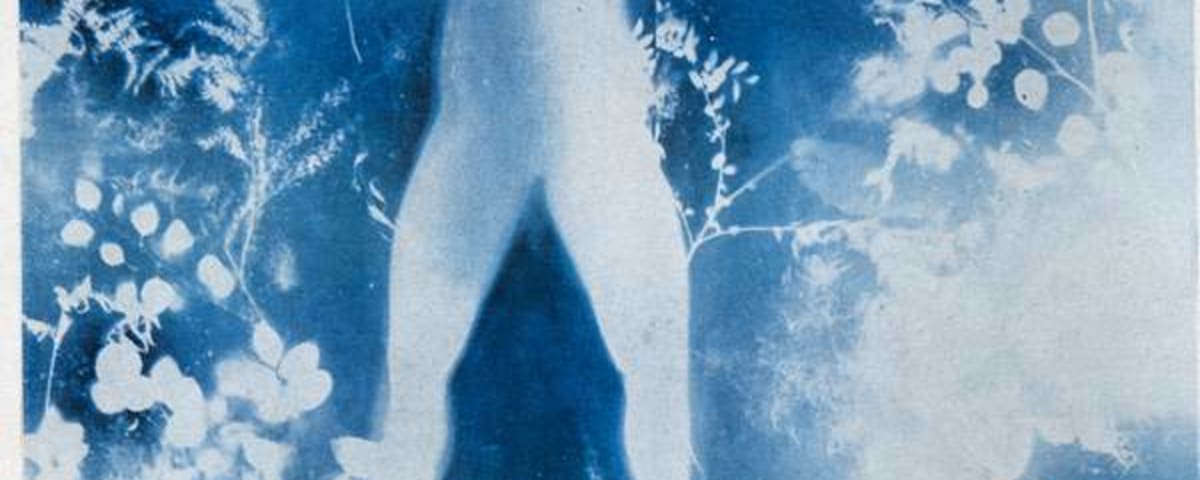
Rayograph is the name the artist Man Ray gave to his cameraless photograms: he laid objects directly on light-sensitive paper and exposed it to light, obtaining ghostly white silhouettes and translucent forms against a dark ground. The term derives from the artist's own name. Man Ray, associated with Dada and Surrealism in Paris, developed the technique around 1922, elevating chance and the play of light into a principle of automatic, unconscious creation. His rayographs transformed everyday things, keys, tacks, spirals, hands, into enigmatic abstract images hovering between recognition and mystery. Although a rayograph is technically identical to Moholy-Nagy's photogram or Schad's schadograph, it was the poetic, dreamlike quality of Man Ray's works that made him one of the most influential experimenters of modernist photography, inspiring later generations of artists, including in Eastern Europe.




