




The Photo-Secession
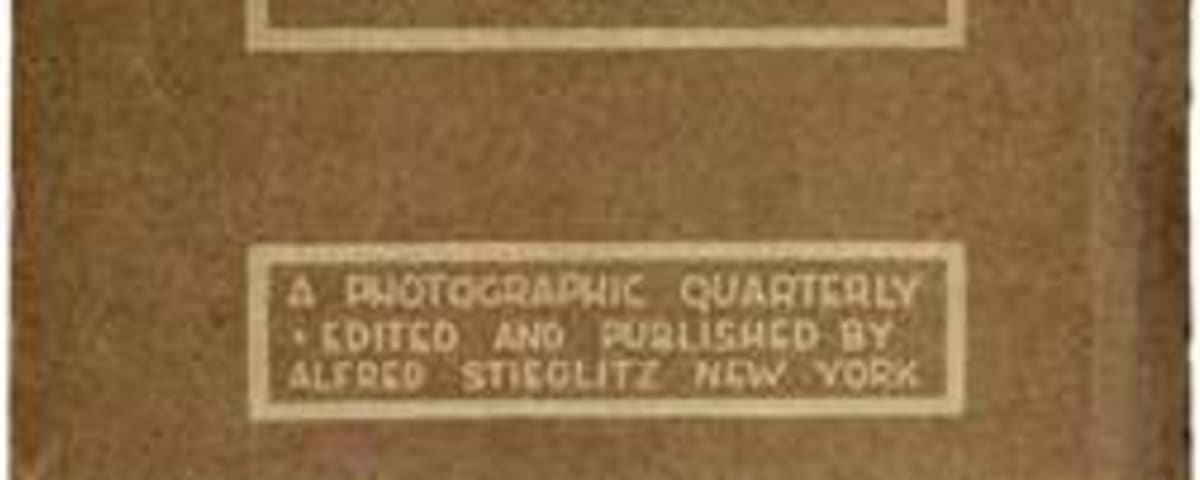
The Photo-Secession was an association of American photographers founded in New York in 1902 by Alfred Stieglitz, who championed photography as a fine art equal to painting and printmaking. Its name echoed the European Secessions that broke with academic tradition. The circle included Edward Steichen, Gertrude Kasebier, Clarence White, and others. Aesthetically the movement rested on Pictorialism, favoring soft focus, hand-manipulated printing processes such as gum bichromate and platinum, atmospheric mood, and compositions close to Symbolist painting. Stieglitz promoted the group's ideas through the sumptuous journal Camera Work and the gallery known as 291, where he later also exhibited European modernism. The Photo-Secession played a decisive role in the acceptance of photography as art within museums and criticism, and prepared the ground for the later modernist straight photograph. Its influence echoed in Pictorialist circles across Europe in the early twentieth century.




