




The New Vision
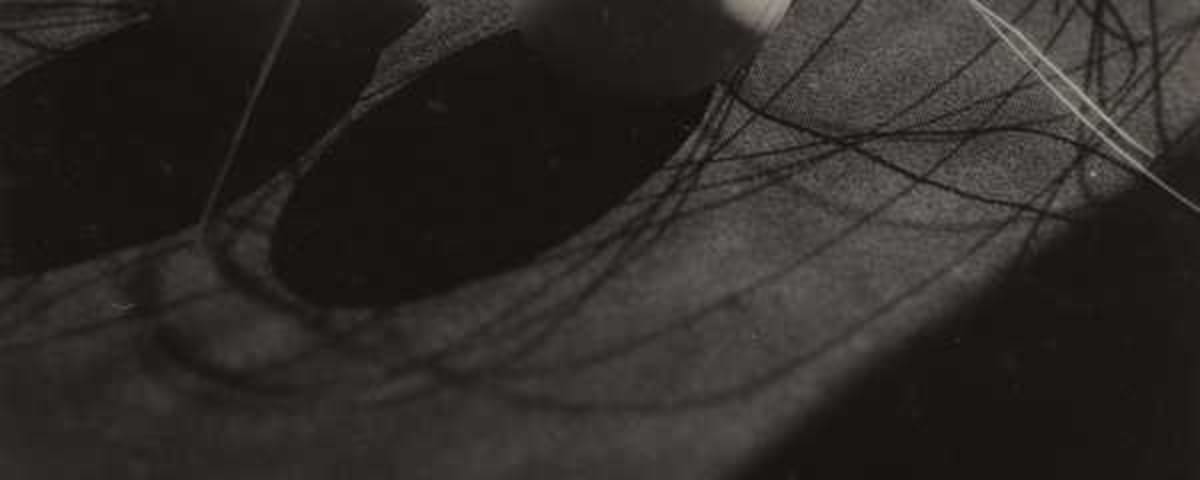
The New Vision was a photographic movement of the 1920s closely tied to the ideas of the Bauhaus and to the theorist and artist Laszlo Moholy-Nagy. Its central claim was that the camera could see the world differently and more fully than the human eye, and therefore photography possessed an aesthetic of its own, independent of painting. Typical devices included steep high and low viewpoints, diagonal compositions, dramatic contrasts of light and shadow, extreme close-ups, double exposures, and experiments with the cameraless photogram. Moholy-Nagy set out these principles in influential writings that called for cultivating a new vision as a renewed mode of perceiving reality. The movement shaped Constructivist and experimental photography across Central and Eastern Europe, including the avant-garde searches of Ukrainian artists of the 1920s who joined documentary purpose with formal invention. The New Vision helped establish the modernist understanding of photography as an autonomous art.




