




Photogram
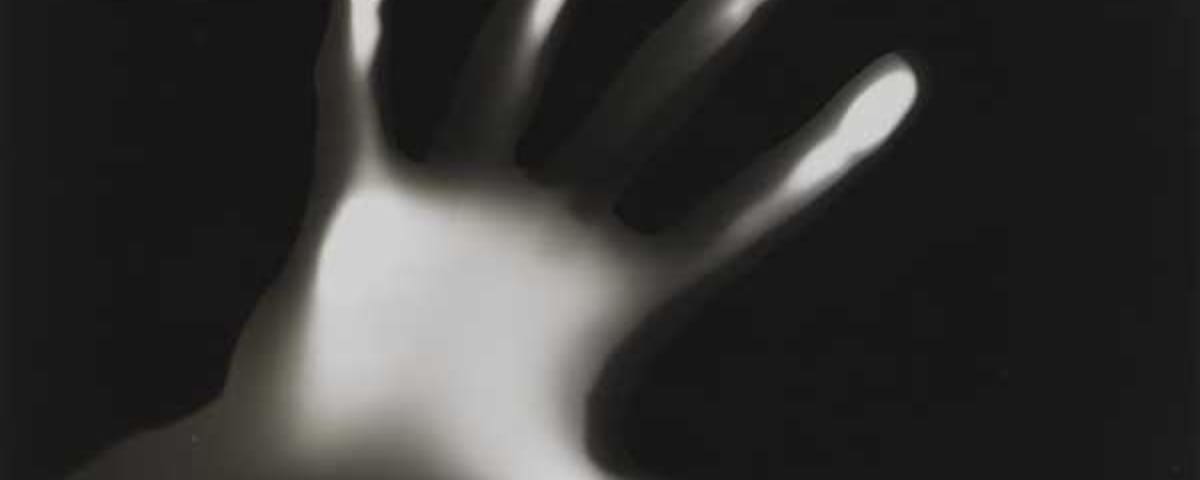
A photogram is a photographic image made without a camera: objects are placed directly on light-sensitive paper, which is then exposed to light. Areas covered by objects stay pale, while exposed areas darken, producing silhouettes, translucent contours, and subtle tonal gradations. The technique reaches back to the early photogenic drawings of William Henry Fox Talbot and the botanical cyanotypes of Anna Atkins. In the 1920s avant-garde artists raised the photogram to an independent art: Laszlo Moholy-Nagy, Christian Schad with his schadographs, and Man Ray with his rayographs treated it as a way to explore the pure play of light and form. The photogram lays bare the very nature of photography, the action of light upon a sensitive material, and it remains a favored tool of experimental and educational practice, including among Ukrainian artists working at the border of abstraction and document.




