




New York school
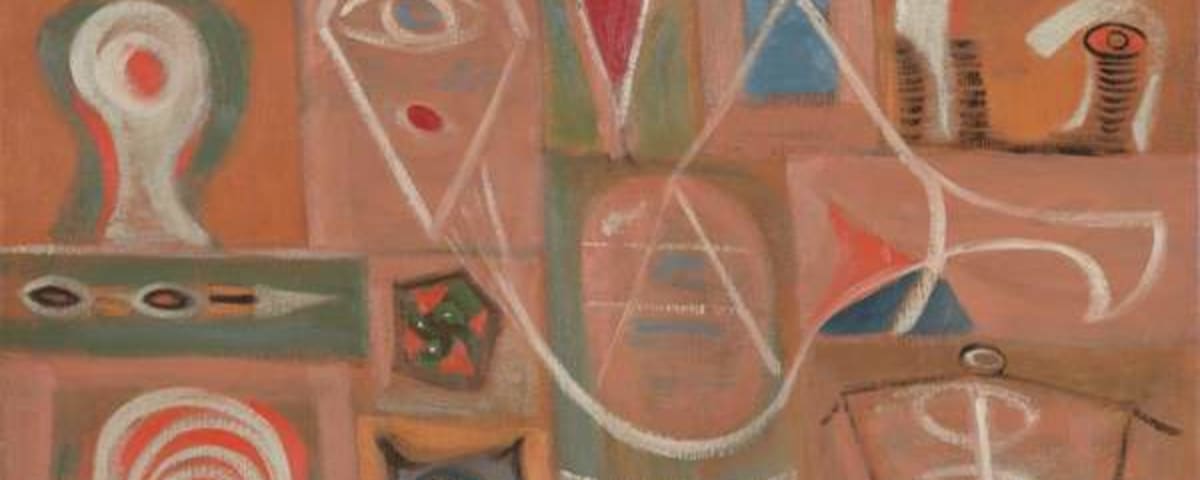
The New York School was a radical art scene that emerged in New York after the Second World War and, for the first time, made that city rather than Paris the principal centre of avant-garde art in the Western world. The term primarily encompasses the Abstract Expressionist artists who worked in the 1940s and 1950s, notably Jackson Pollock, Willem de Kooning, Mark Rothko, Barnett Newman, Clyfford Still, Franz Kline, Robert Motherwell and Arshile Gorky. Despite significant differences of individual manner, from the energetic action painting of dripped and splashed paint to contemplative fields of pure colour, these artists were united by a striving for large scale, non-representation, spontaneity and the expression of deep emotional and existential states. The movement's formation was influenced by European Surrealism, whose representatives emigrated to the United States during the war, and by ideas of automatism and psychoanalysis. The notion of the New York School is sometimes extended to an associated circle of poets, musicians and dancers. This scene, supported by the influential critics Clement Greenberg and Harold Rosenberg, exerted a decisive influence on all the subsequent development of twentieth-century art.




