




Geometry of Fear
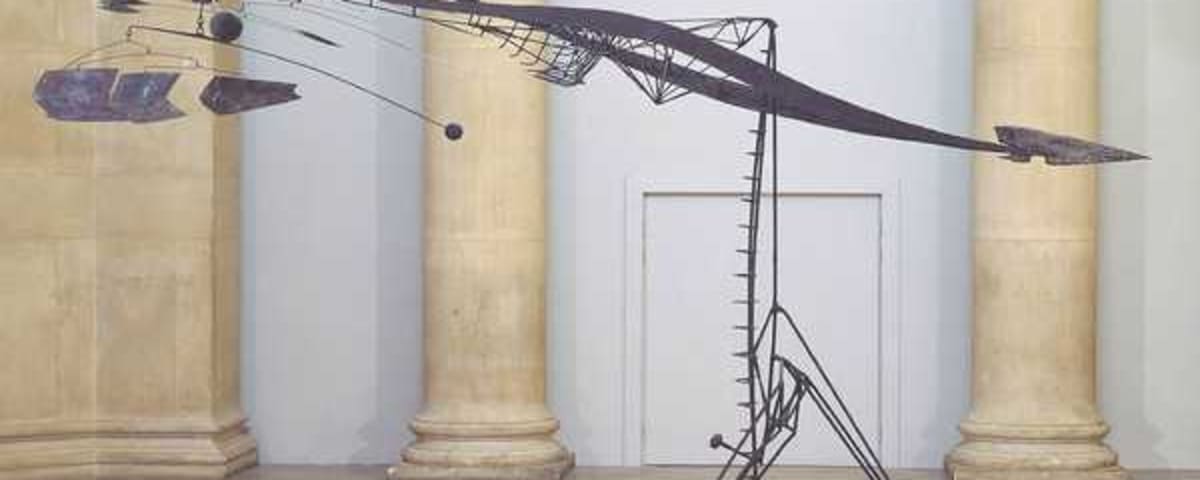
Geometry of Fear is a term coined by the British critic Herbert Read in 1952 to describe the work of a group of young British sculptors whose pieces were shown at the Venice Biennale that year. The circle included Reg Butler, Lynn Chadwick, Kenneth Armitage, Eduardo Paolozzi, William Turnbull and others. Their sculpture was characterised by distorted, battered, angular and seemingly mangled human, and sometimes animal, figures, made largely in welded metal and bronze with rough, spiky, thorn-like surfaces. These images conveyed the atmosphere of anxiety, vulnerability and existential dread of the postwar era, a time marked by the memory of the destruction of the Second World War and the new threat of nuclear annihilation during the Cold War. Read connected the style to the philosophy of existentialism and to a sense of human defencelessness. Geometry of Fear became an important expression of mid-century British modernism and signalled a move away from the smooth, monumental forms of earlier sculpture, notably the classical humanism of Henry Moore, towards a nervous, fragmented expressiveness.




