




School of London
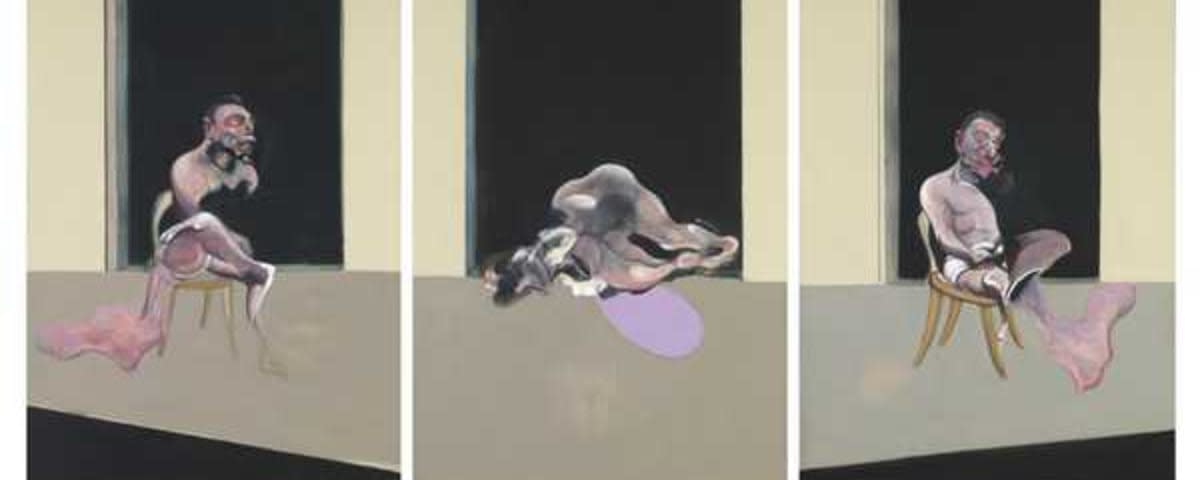
The School of London is a loose label for a group of artists who worked in London and, in the 1960s and 1970s, persistently developed figurative painting against the then-dominant currents of abstraction, Pop art and conceptualism. The term was popularised by the artist R. B. Kitaj, who in 1976, curating the exhibition The Human Clay, used it to describe a circle of artists united by their commitment to the depiction of the human figure and direct observation. The core of the group is traditionally taken to include Francis Bacon, Lucian Freud, Frank Auerbach, Leon Kossoff, Michael Andrews and Kitaj himself. These artists shared neither a common style nor a manifesto; they were united by the conviction that the human figure and bodily experience remain an inexhaustible source for modern art. Bacon created distorted, psychologically charged images; Freud painted nudes with an almost merciless physical precision; Auerbach and Kossoff laid down thick layers of paint, fixing the city and its people in dense matter. Many were émigrés or the children of émigrés, giving the movement a cosmopolitan dimension. The School of London demonstrated the vitality of the figurative tradition in an age of the avant-garde and helped revive interest in painting at the end of the twentieth century.




