




St Ives School
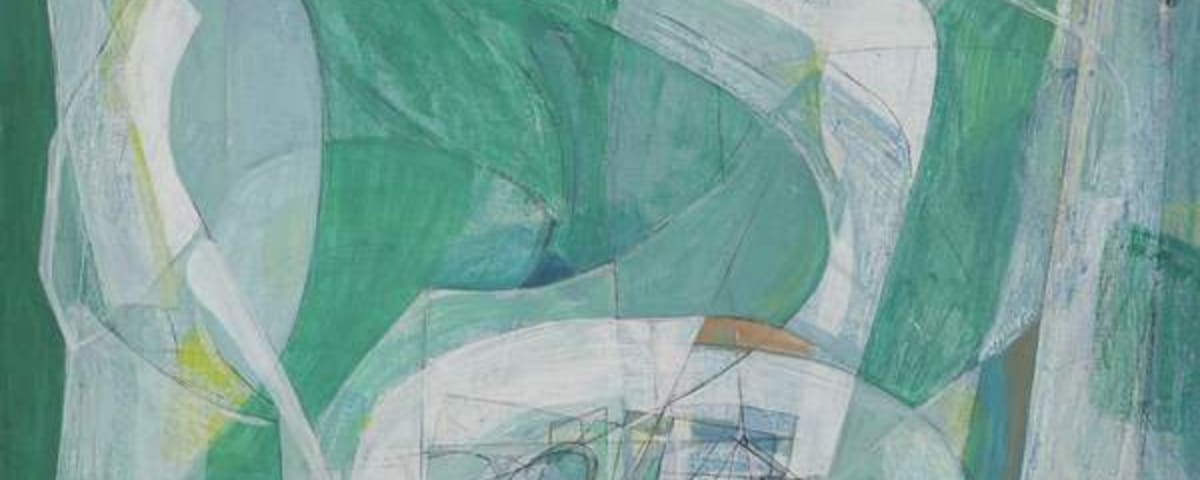
The St Ives School is a loose name for the community of artists associated with the fishing town of St Ives in West Cornwall, which from the 1940s to the 1960s became an important centre of modern and abstract art in Britain. The picturesque coast, distinctive light and seclusion had attracted artists since the nineteenth century, but it was the arrival at neighbouring Carbis Bay in 1939 of Ben Nicholson, Barbara Hepworth and the Constructivist Naum Gabo that transformed the town into a hub of the avant-garde. The circle of St Ives artists included Peter Lanyon, Patrick Heron, Terry Frost, Roger Hilton and the potter Bernard Leach, as well as the self-taught painter Alfred Wallis, whose naive marine scenes inspired professional masters. Their art combined abstraction with a deep sense of the local landscape — the sea, cliffs, light and space of Cornwall. Many maintained ties with American Abstract Expressionism while retaining their own lyrical language rooted in nature. The St Ives School became one of the most important phenomena of post-war British art, and its legacy is today preserved by a branch of the Tate gallery, Tate St Ives, opened in 1993.




