




The Seven and Five Society
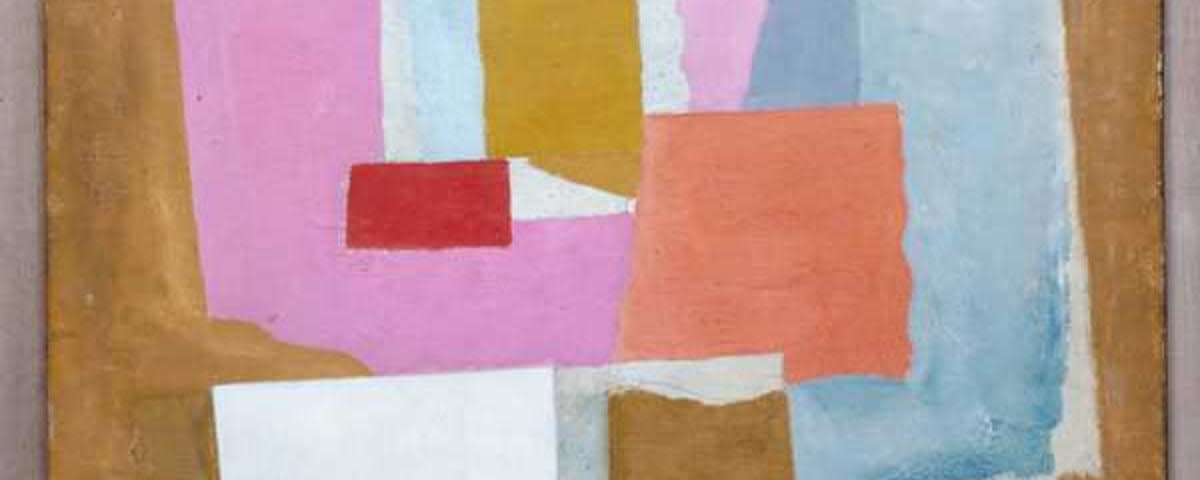
The Seven and Five Society was a British association of artists founded in London in 1919; the name referred to its original membership of seven painters and five sculptors. At first the group was fairly conservative and can be seen as a British manifestation of the "return to order" (retour à l'ordre) that swept European art after the First World War. In its first statement the society even declared that it had no wish to promote "any startling new theories." During the 1920s the character of the society changed dramatically as modernist artists joined it, notably Ben Nicholson, who later led the group, together with Christopher Wood, Winifred Nicholson, Ivon Hitchens and the sculptors Barbara Hepworth and Henry Moore. Under Nicholson's influence the society evolved towards abstraction, and in 1935 it held the first exhibition of purely abstract art in Britain, after which the association was renamed the "7 & 5 Abstract Group." The society soon disbanded, but it played a key role in the formation of British modernism, serving as a bridge between tradition and the avant-garde and nurturing leading masters of the twentieth century.




