




Time-based media
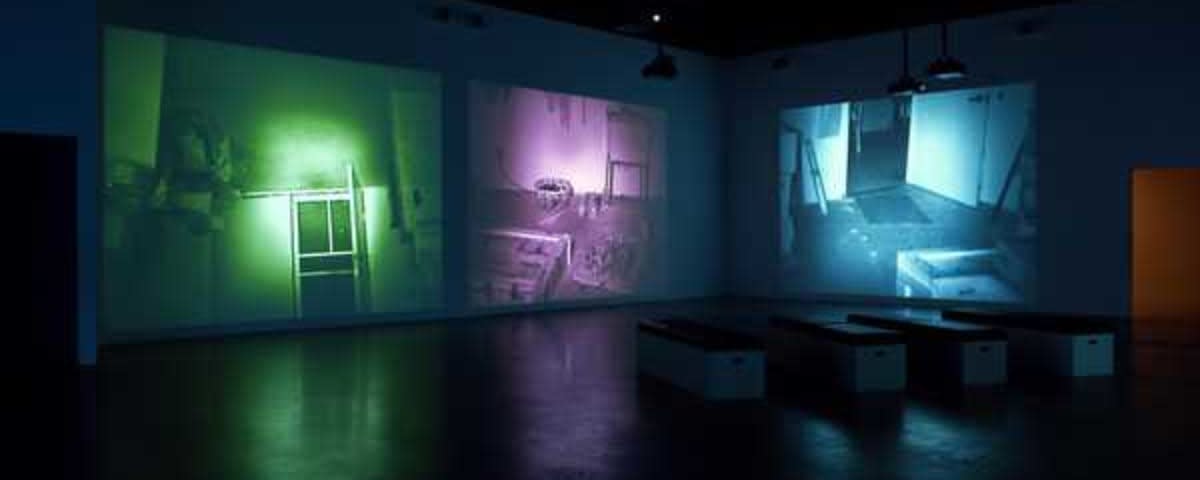
Time-based media is art that depends on technology and has a durational, temporal dimension; it unfolds over time and must be played back for the viewer to perceive it. This category includes video art, film, slide projections, sound works, computer and digital installations, and performances recorded for display. Unlike a painting or sculpture, which the viewer grasps in a single moment, time-based media have a beginning, a duration and an end, and often a definite sequence of events, so that the factor of time becomes an integral part of the artistic content. The field took shape in the second half of the twentieth century with the arrival of affordable video equipment; pioneers of video art, notably Nam June Paik, as well as performance artists, began using technical carriers for works that could not be reduced to a static object. The term "time-based media" acquired particular importance in museum and conservation practice, since preserving such works requires care not for a physical object but for equipment, formats, files and display instructions that become obsolete over time. Museums therefore develop special strategies of conservation, documentation and data migration to ensure the longevity of art built on technology and time.




