




Charcoal
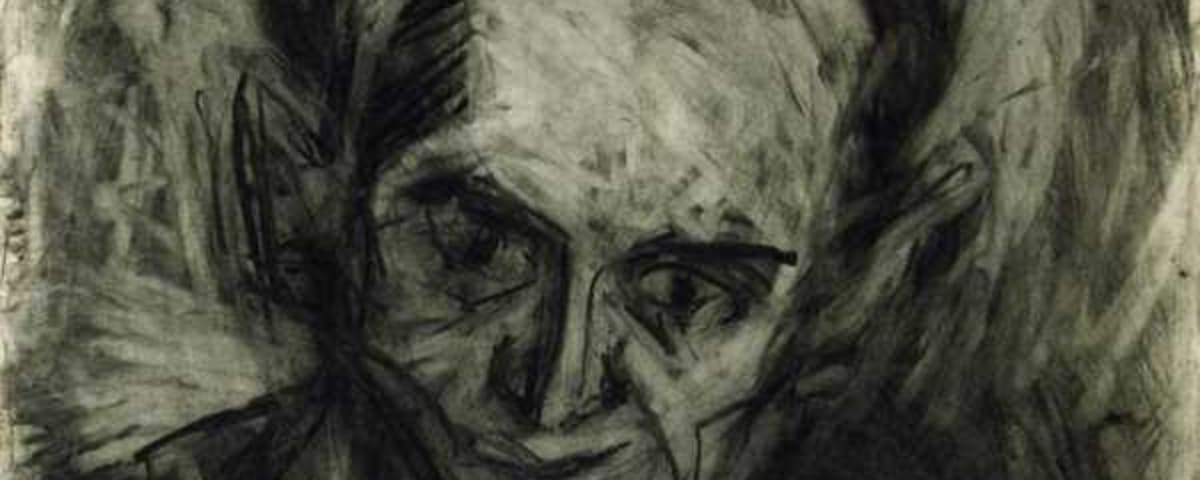
Charcoal (artists' drawing charcoal) is a black, brittle drawing material composed chiefly of carbon and produced by burning wood in the absence of air. It is one of humanity's oldest artistic materials: some prehistoric rock images, including those in caves such as Chauvet, were made with charcoal. Thanks to its ease of production and its expressiveness, charcoal has remained a principal means of instructional and preparatory drawing throughout the history of Western art. There are several kinds of charcoal: thin stick (willow or lime) charcoal, which erases easily and suits preliminary sketches, and compressed charcoal, mixed with a binder, which gives a deeper, richer and more permanent black tone. With charcoal an artist can create both quick linear sketches and finished tonal drawings with a wide range from delicate grey to velvety black; the material blends easily with a finger or cloth and can be lightened with an eraser. The finished drawing is fixed with a fixative to prevent it flaking off. Charcoal was widely used by masters from the Renaissance (for cartoons and underdrawings) to contemporary artists such as William Kentridge, who builds entire animated works on charcoal drawing.




