




Vitrine
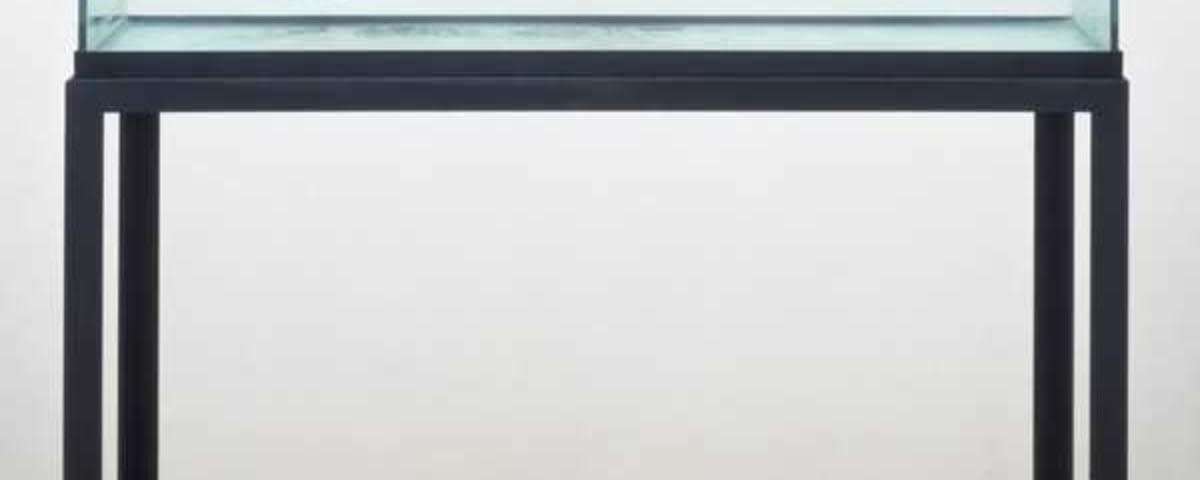
A vitrine is a large glass cabinet or glazed case used to display works of art, artefacts or valuable objects. Its transparent walls allow the viewer to examine the contents from all sides while protecting them from dust, moisture, theft and touch. Vitrines are a fundamental element of museum and gallery practice, especially for showing fragile, small or historically significant items, from archaeological finds and jewellery to manuscripts. In the art of the twentieth and twenty-first centuries the vitrine became an expressive means in its own right. Artists began to use the form of the vitrine itself as part of the work, questioning the ways objects are displayed, museumified and given value. Among the best-known examples are the works of Joseph Beuys, who placed symbolic objects inside glass cases, and Damien Hirst with his glazed installations. By placing ordinary or provocative things inside a vitrine, the artist elevates them to the status of an exhibit while critically examining the institutional mechanisms of display and collecting.




