




Plinth
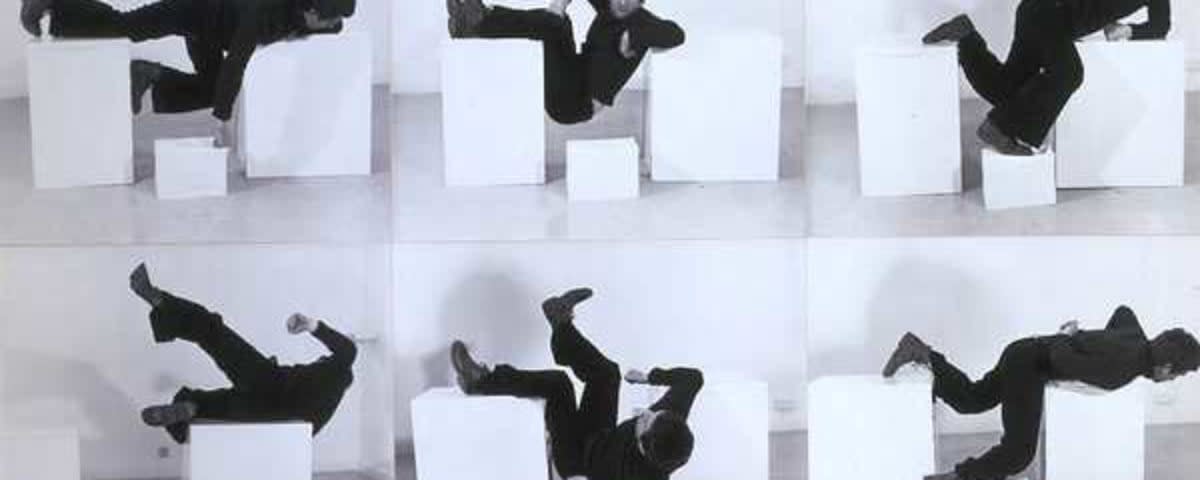
A plinth is a heavy base, pedestal or box on which a sculpture stands and is presented. The plinth raises the work above the level of the floor or ground, separates it from the surrounding space and brings it into the viewer's field of vision at the required height, while also physically stabilising the statue. The form of the plinth — a plain cube, a cylinder or a moulded pedestal — affects the perception of the sculpture: it can emphasise the work's monumentality or, conversely, recede unobtrusively, giving all attention to the sculpture itself. Historically the pedestal was an integral part of monumental and easel sculpture, often adorned with reliefs, inscriptions or architectural decoration. In the twentieth century, however, attitudes to the plinth changed radically: Constantin Brâncuși began treating the pedestal as part of the work itself, while Minimalists and Land-art figures often dispensed with it altogether, placing sculpture directly on the floor to break the "pedestal-viewer" hierarchy and involve real space. Thus the plinth was transformed from a purely utilitarian support into an independent subject of artistic reflection on the status and limits of the sculptural work.




