




Plaster of Paris
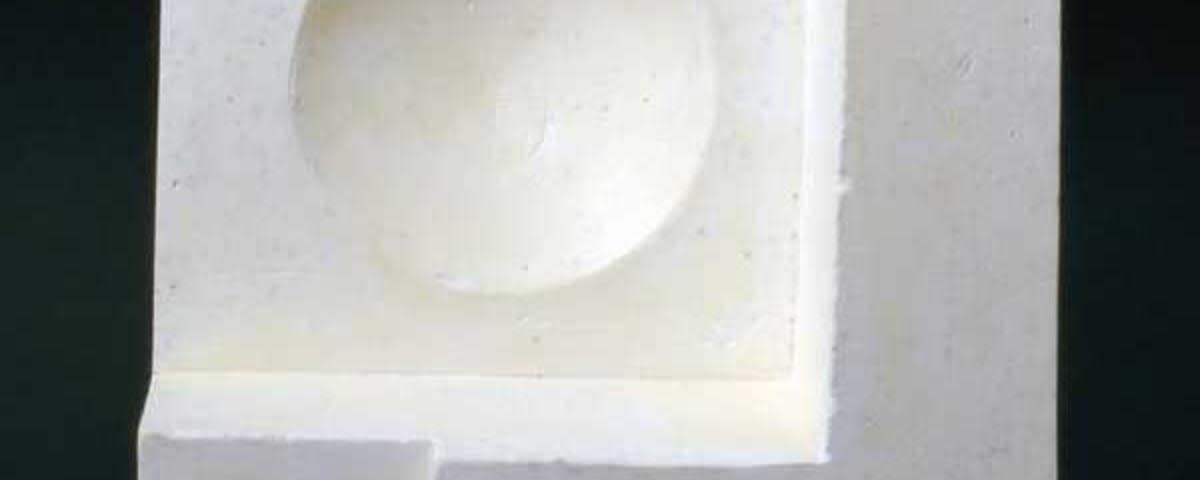
Plaster of Paris is a fine white powder which, mixed with water, forms a pliable paste that quickly sets into a white solid mass. Chemically it is calcium sulphate hemihydrate, obtained by calcining natural gypsum stone. As it sets, the mass expands slightly and reproduces the finest details of a mould precisely, which makes plaster an indispensable material in sculpture and casting. It is used to make models, moulds for casts, casts themselves and architectural decoration. In the sculptural process plaster plays a key role as an intermediate material: a clay model is translated into a strong plaster cast, from which the final work is then executed in bronze or marble. Plaster casts of ancient statues served for centuries as teaching aids in art academies, including Ukrainian art schools, where students mastered drawing and modelling from life. Plaster is also used in medicine, construction and decorative finishing owing to its cheapness, ease of working and whiteness. Its drawbacks — brittleness and sensitivity to moisture — limit its use as a final display material.




