




Chalk
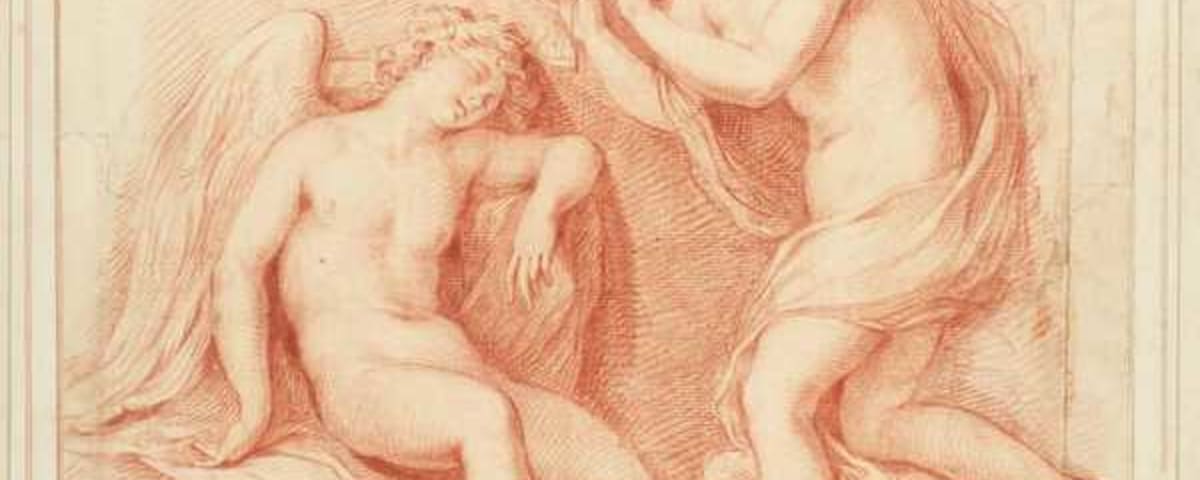
Chalk is a soft, powdery material for drawing and writing that was traditionally made from natural rocks rich in calcium carbonate. Drawing chiefly employs three natural varieties of chalk: black (from carbonaceous shale), red, known as sanguine (from red iron-bearing clay, or haematite), and white (from soft limestone or gypsum). These natural chalks were shaped into thin sticks or set in holders, allowing the artist to draw lines, blend and model volume. Chalk drawing flourished in the Renaissance and Baroque and became one of the main means of both preparatory drawing and independent works. Especially prized was the technique à trois crayons — the combination of black, red and white chalk on toned paper, which allowed masters to convey skin tone and soft chiaroscuro transitions. Chalk was used by Leonardo da Vinci, Michelangelo, Peter Paul Rubens, Antoine Watteau and countless other draughtsmen. White chalk was often applied to dark surfaces for highlights and the brightest accents. In modern times, alongside natural chalk, synthetic pastel and chalk pencils have become widespread, but traditional chalk drawing still remains a classic means of academic drawing.




