




Digital art
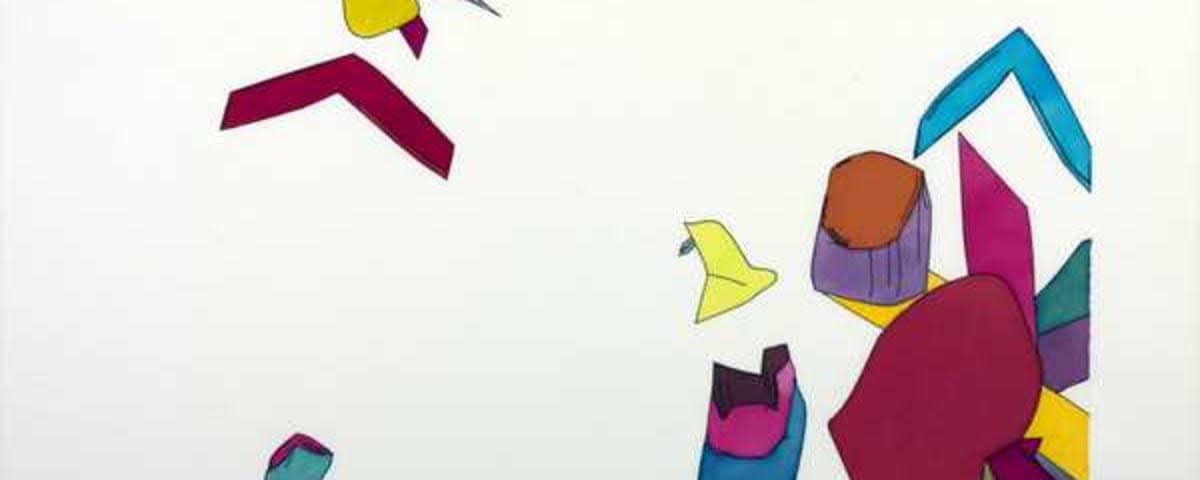
Digital art is a general term for artworks that are created, processed or presented using digital technologies, including computers, software and electronic devices. It encompasses a wide range of practices: digital painting and graphics, 3D modelling, computer animation, video art, interactive installations, virtual and augmented reality art, and, from the 2020s, works associated with blockchain and NFTs. Digital art can be either a self-sufficient final work or a means of preparing a work in another medium. The origins of digital art go back to the 1960s, when the first artists and scientists, including Frieder Nake, Georg Nees and Vera Molnár, began creating graphics with computing machines and plotters. With the spread of personal computers and graphics software in the 1980s and 1990s, digital tools became accessible to a broad range of artists. Digital art raises important questions about the nature of the original, reproduction, authorship and the materiality of the work, since a digital file can be reproduced without loss of quality. Today it is a fully fledged part of contemporary art, represented in leading museums and at specialised media festivals around the world.




