




Bitumen
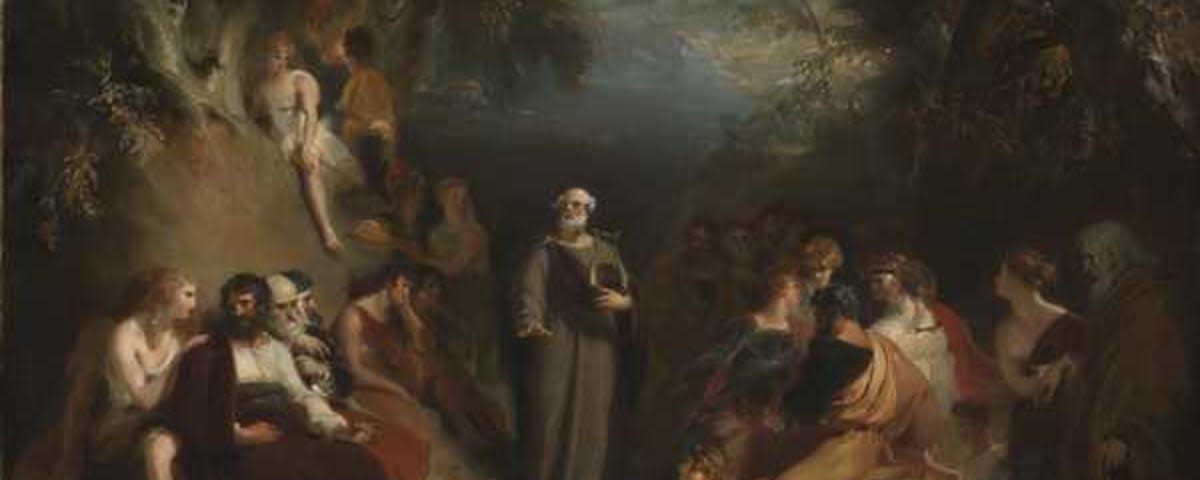
Bitumen is a natural, dark, resinous hydrocarbon-based substance that in painting was used as a brown pigment and glazing material, especially to enrich and deepen dark tones and shadows. Also known as asphalt or "asphaltum," this material gave artists a warm, transparent and deep brown tint that lent paintings a sense of glowing depth and soft transitions between light and shade. Bitumen was widely used by artists of the eighteenth and nineteenth centuries, including representatives of Romanticism and the English school such as Joshua Reynolds and John Martin. However, the material had a fatal technical flaw: bitumen never fully dries or hardens. Over time it continues to move, crack and darken, so that the surface of many paintings became covered with characteristic deep cracks (so-called "crocodile skin") or darkened so much that the image was partly lost. Because of this irreversible damage, by the end of the nineteenth century artists largely abandoned bitumen in favour of more stable brown pigments. Today bitumen is chiefly of interest to conservators and researchers of old painting techniques, who study the causes of deterioration in historical canvases.




