Ukrainian art & cultureOnline


Other dimensions of culture
Other dimensions of culture





Test mode: all content on this site is for testing and will be removed at launch.
Art Glossary
Ukrainian Art&Culture online glossary of art terms covers movements, styles and techniques such as Impressionism, Printmaking, Video art and more.
from Realismto Cyberpunk
34from Oilto 3D Modeling
8from Paintingto Design
7from Trypilliato Contemporary
237 terms
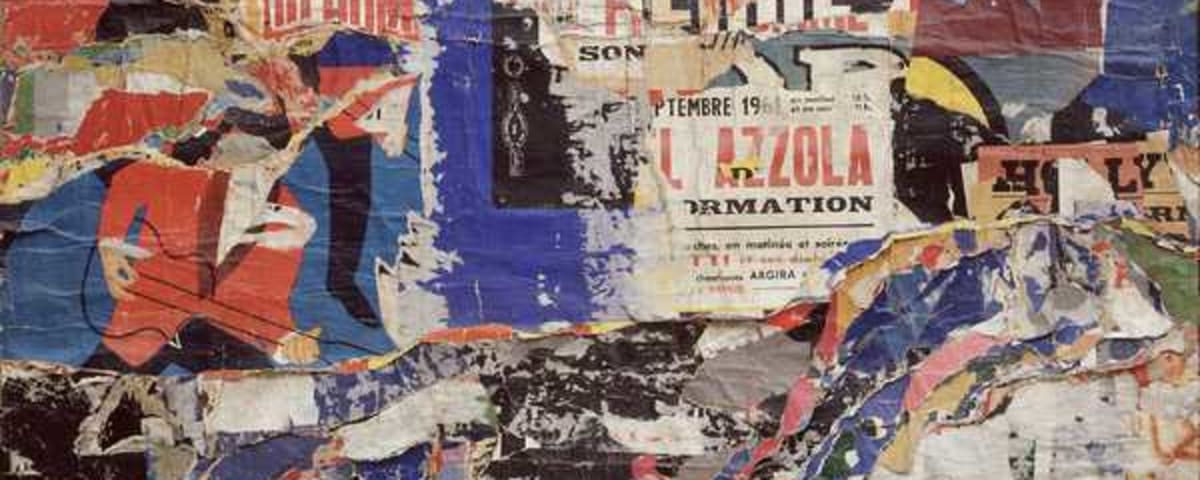
Decollage is a technique and practice that is the opposite of collage: instead of pasting elements on, the artist tears, rips, or removes layers of already existing material, most often posters and billboards, exposing lower strata and accidental rents. The term is associated above all with the Nouveau Realisme movement in France of the late 1950s and 1960s. The affichiste artists Jacques Villegle, Raymond Hains, Francois Dufrene, and Mimmo Rotella stripped tattered, torn advertising posters from city walls and presented them as finished works, in which chance rips, overlappings, and traces of time became an aesthetic statement about the modern urban environment and consumerism. Decollage turned the anonymous street surface into a kind of palimpsest of the city's collective memory. This strategy of the found and partly destroyed image echoes the idea of the ready-made and influenced later practices of appropriation, street art, and conceptual art.
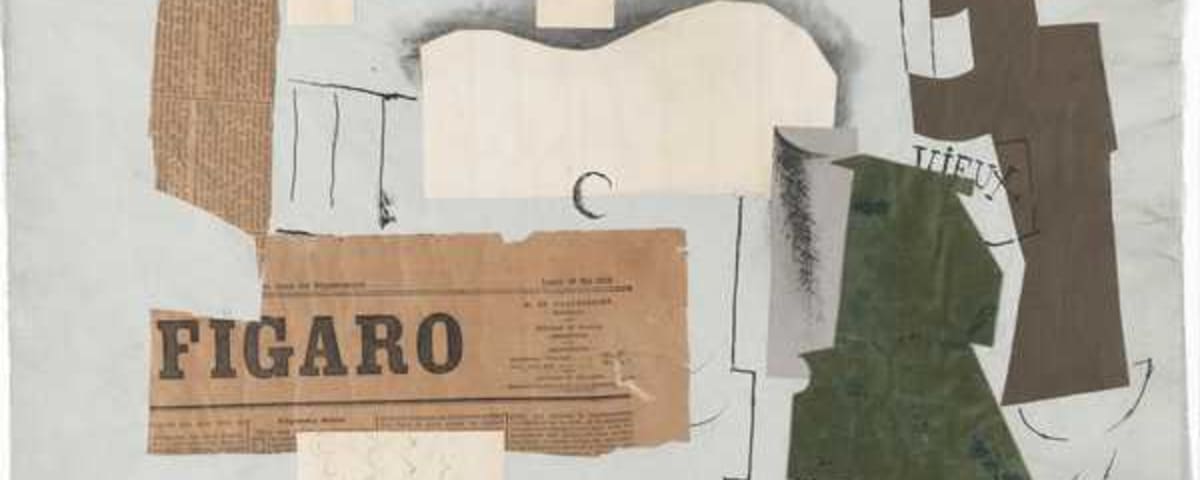
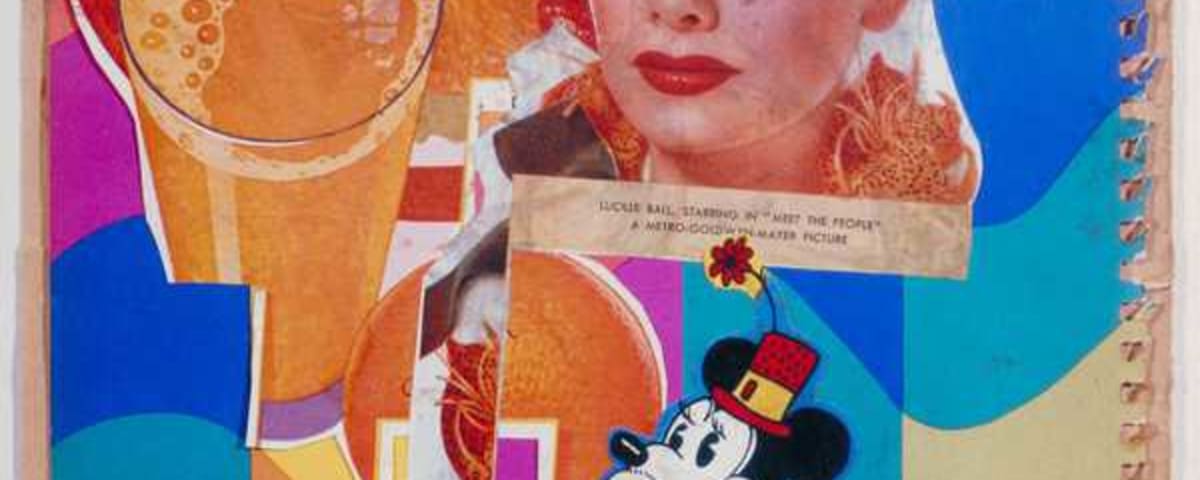
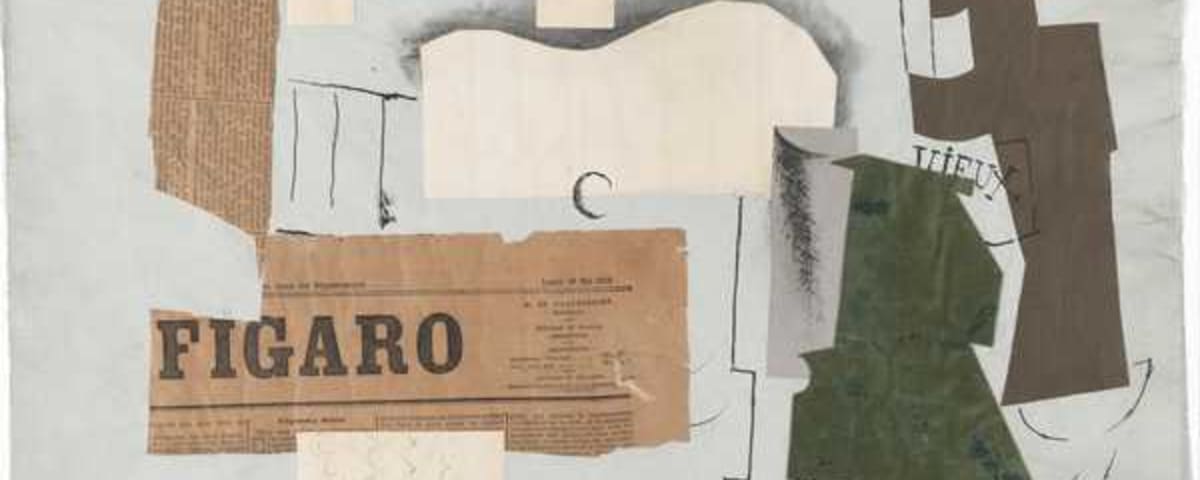
Mixed media is a term describing artworks made from a combination of different materials or means of expression within a single image or object. For instance, a drawing might combine graphite pencil, ink, watercolour, and pasted paper elements, while a painting might unite oil paint with collage or everyday objects. The practice of systematically mixing media became a defining feature of twentieth-century art, when the boundaries of traditional techniques began to be deliberately broken down. A turning point was the invention of collage by the Cubists Pablo Picasso and Georges Braque around 1912, when newspaper, wallpaper, and fabric were first glued onto the painted surface. Mixed media developed further in Dada, Surrealism, and the art of assemblage. The term is distinct from «multimedia», which usually implies an electronic or time-based component. Mixed media gave artists an almost limitless freedom of materials and became one of the defining traits of modern and contemporary art.
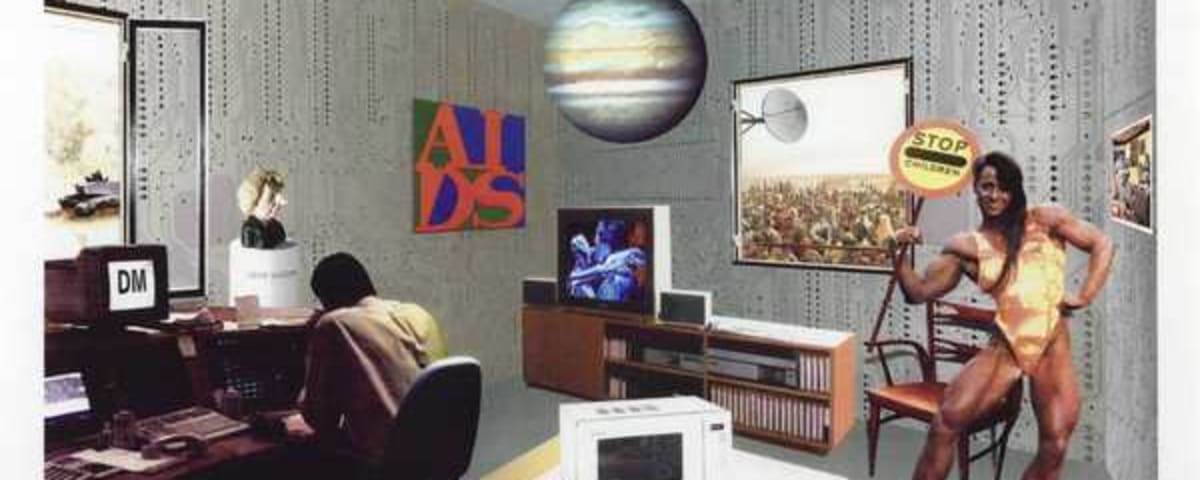
Montage is an assembly of images interrelated in such a way that they form a single unified work or part of one. The term derives from the French monter, «to mount» or «to assemble», and was first used in cinema to denote the splicing of separate shots into a meaningful sequence. In the visual arts, montage means the composing of ready-made images — newspaper clippings, photographs, reproductions — into a new composition that generates unexpected meanings through their juxtaposition. A variety of montage is photomontage, which the Dadaists turned into a sharp political weapon during and after the First World War: Hannah Höch, Raoul Hausmann, and especially John Heartfield created scathing anti-militarist and anti-fascist images by cutting and combining fragments of the mass press. Montage is founded on the principle of juxtaposition, where meaning arises not within a single image but between images. This technique profoundly influenced modern graphics, the poster, advertising, and contemporary digital art.
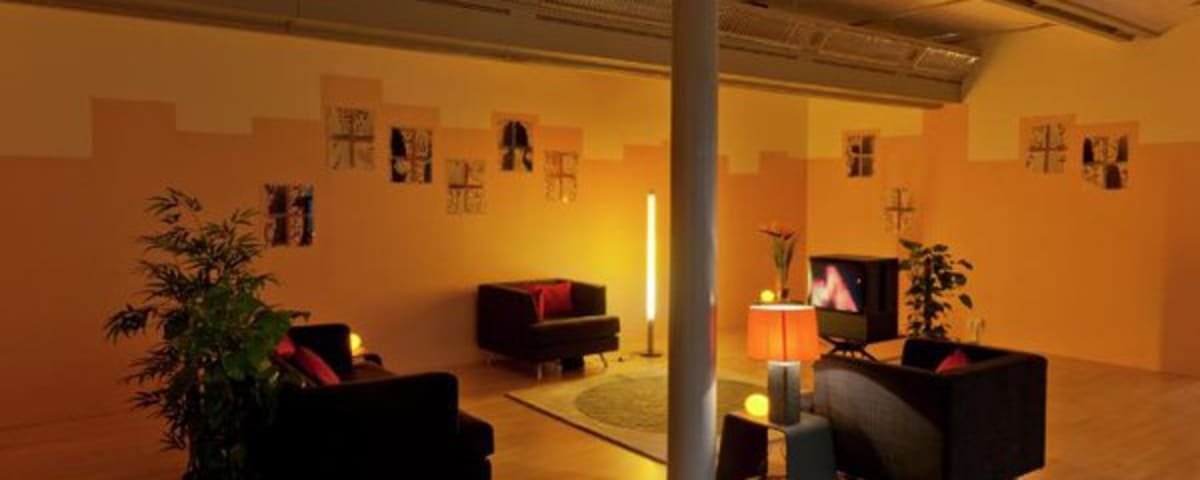
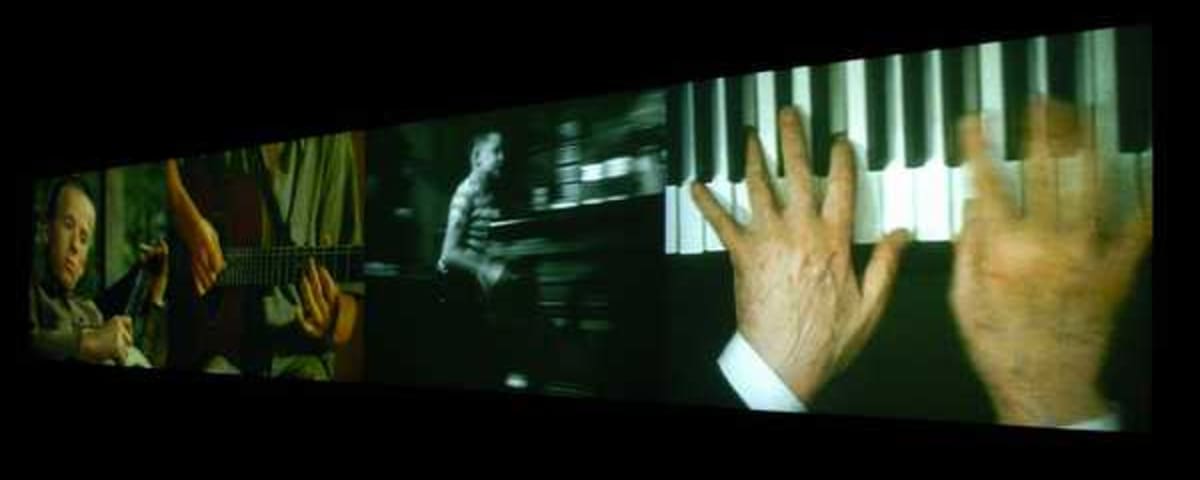
Multi-media is a term first used in the 1960s to describe mixed-media works that contained an electronic component. Unlike simple «mixed media», where traditional materials are combined, multi-media implies the introduction of technological elements — light, sound, film, video, slides, and later computer systems — into an artwork, often within a performance or environment. The development of multi-media was spurred by the happenings and events of the Fluxus movement, as well as by experiments at the intersection of art and technology. A landmark example of early multi-media was Andy Warhol's «Exploding Plastic Inevitable» with the band The Velvet Underground, which combined music, film, light projections, and dance. Multi-media practices were advanced by video artists, notably Nam June Paik, regarded as one of the founders of video art. With the advent of digital technologies at the end of the twentieth century, multi-media expanded into interactive installations and new-media art, becoming one of the leading forms of contemporary artistic creation.