Ukrainian art & cultureOnline


Other dimensions of culture
Other dimensions of culture





Test mode: all content on this site is for testing and will be removed at launch.
Art Glossary
Ukrainian Art&Culture online glossary of art terms covers movements, styles and techniques such as Impressionism, Printmaking, Video art and more.
from Realismto Cyberpunk
34from Oilto 3D Modeling
8from Paintingto Design
7from Trypilliato Contemporary
235 terms
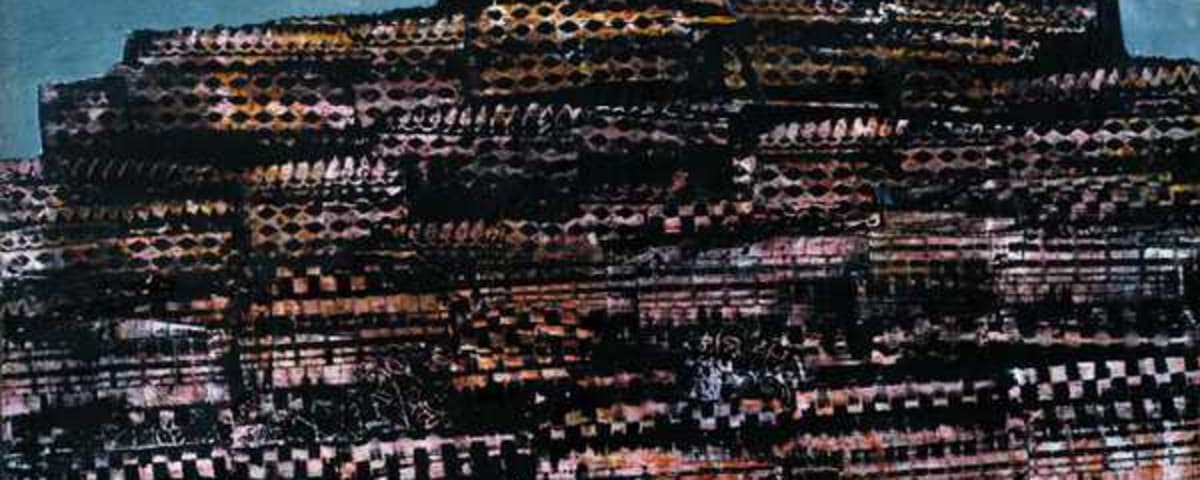
Frottage, from the French frotter meaning to rub, is a Surrealist automatic method of creation in which a sheet of paper is laid over a textured surface, wood, leaves, fabric, or stone, and rubbed with a pencil or another dry material, so that the relief pattern of the support is transferred onto the paper. The technique was invented as an artistic device by Max Ernst around 1925: according to legend, inspiration came to him from contemplating the worn boards of an old floor. Ernst treated the resulting textures as a kind of vision, a starting point for the imagination out of which fantastic forests, creatures, and landscapes emerged; he gathered these works into the series Natural History. For the Surrealists frottage, like decalcomania and fumage, was a way to invite chance and the unconscious while bypassing the conscious control of the mind. Its simplicity and accessibility have made frottage popular not only in art but also in art education and children's creativity, where it develops sensitivity to texture and imagination.

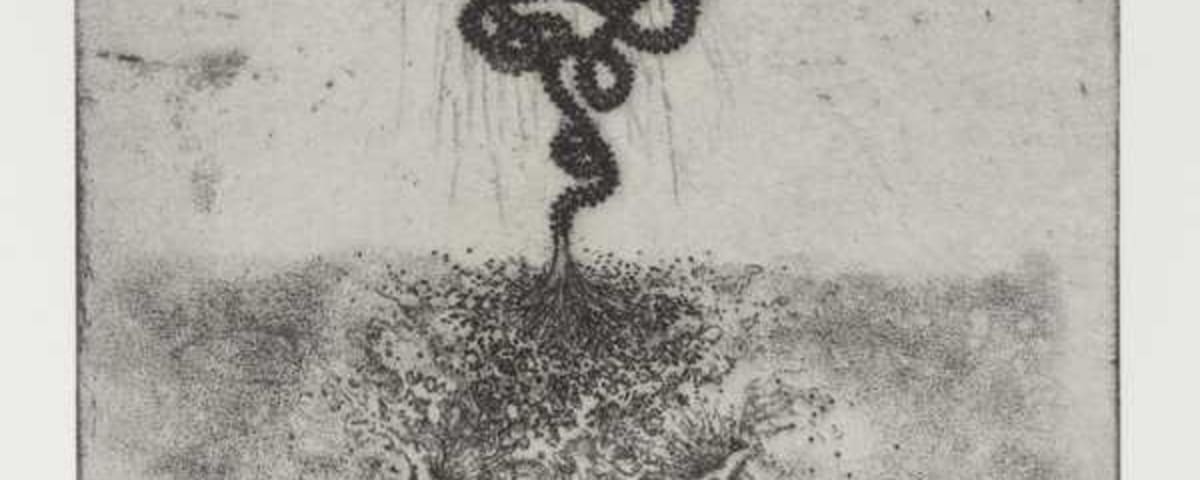
Fumage, from the French fumee meaning smoke, is an artistic technique in which an image or texture is created by the soot and smoke of the flame of a lit candle or oil lamp held beneath a support, paper, canvas, or a still-wet painted surface. As it settles, the soot leaves soft, cloud-like, unpredictable traces that the artist can partly control by directing the flame, and then paint over or fix. The technique was developed by the Surrealist Wolfgang Paalen around 1936, and related experiments were made by Salvador Dalí, who called the technique sfumato. Fumage belongs to the circle of Surrealist automatic methods, alongside frottage, decalcomania, and solarisation, which sought to invite chance, the elemental, and the unconscious while loosening the artist's rational control. The ghostly, atmospheric images born of smoke suited the Surrealist interest in dreams, anxiety, and the irrational. Today fumage is used by experimental artists exploring elemental, process-based ways of making an image.