




Frottage
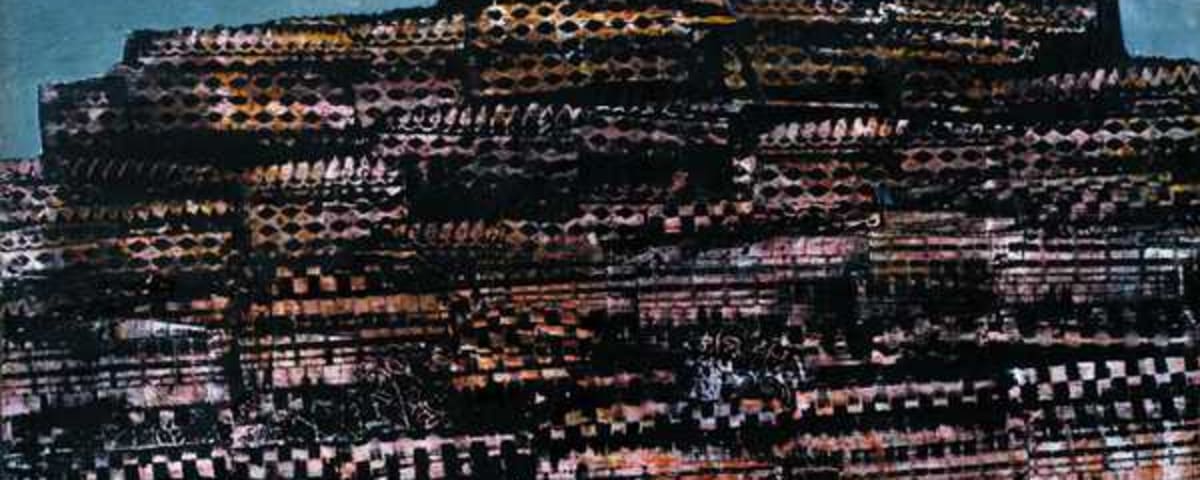
Frottage, from the French frotter meaning to rub, is a Surrealist automatic method of creation in which a sheet of paper is laid over a textured surface, wood, leaves, fabric, or stone, and rubbed with a pencil or another dry material, so that the relief pattern of the support is transferred onto the paper. The technique was invented as an artistic device by Max Ernst around 1925: according to legend, inspiration came to him from contemplating the worn boards of an old floor. Ernst treated the resulting textures as a kind of vision, a starting point for the imagination out of which fantastic forests, creatures, and landscapes emerged; he gathered these works into the series Natural History. For the Surrealists frottage, like decalcomania and fumage, was a way to invite chance and the unconscious while bypassing the conscious control of the mind. Its simplicity and accessibility have made frottage popular not only in art but also in art education and children's creativity, where it develops sensitivity to texture and imagination.




