




Orientalist
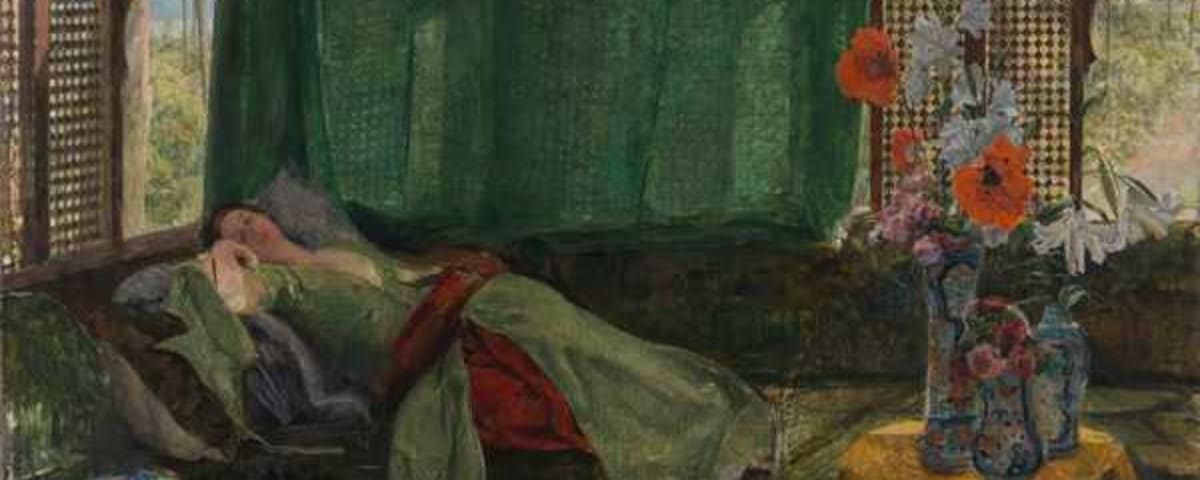
Orientalism is a term that in art history denotes the work of mainly European artists of the nineteenth century who traveled to North Africa and the Middle East in search of new, exotic subjects, or who depicted these lands from imagination. The tendency flourished during the Victorian and Romantic eras, when colonial expansion, scientific expeditions, and the growth of travel opened images of the Maghreb, Egypt, the Ottoman Empire, and the Holy Land to Western audiences. Orientalists depicted bazaars, mosques, harems, deserts, caravans, and genre scenes with great attention to color, light, and decorative detail. Among the leading masters were Eugène Delacroix, whose 1832 journey to Morocco was pivotal, as well as Jean-Léon Gérôme and John Frederick Lewis. Modern scholars, especially after Edward Said's book "Orientalism" (1978), critically reassess this tendency, seeing in it not only aesthetic fascination but also a projection of colonial stereotypes and Western fantasies about the "East."




