




Miniature
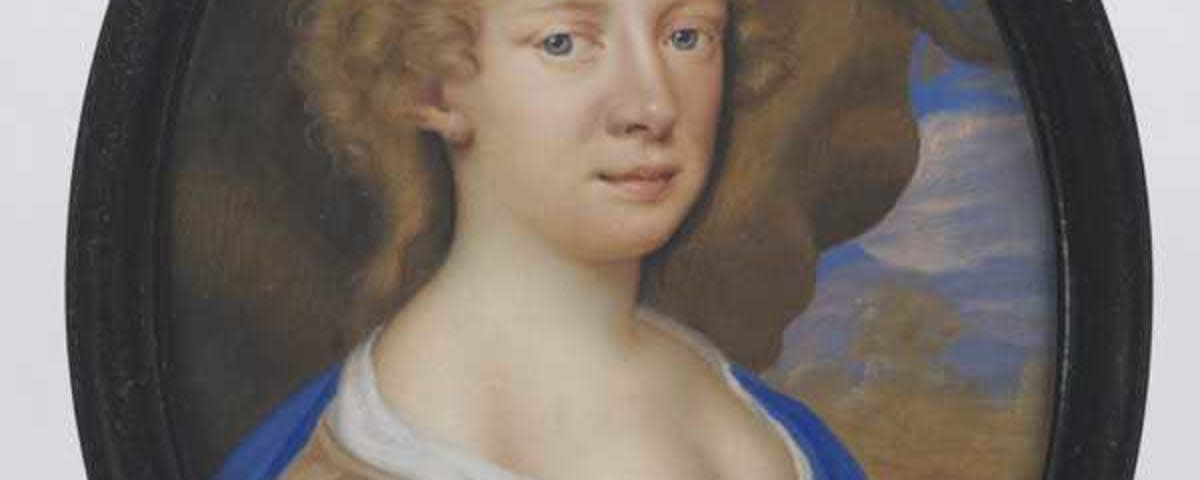
A miniature is a small-scale work of painting, most often a portrait, executed with extraordinary delicacy and care. The term has two main senses. Firstly, it is a picture or illustration in a manuscript book — the so-called illuminated miniature that adorned medieval manuscripts; the word derives not from 'small' but from the Latin minium, the red pigment used to mark important passages of text. Secondly, and most commonly, it is the portrait miniature: a tiny, intimate portrait that can be held in the hand, worn as a locket or kept as a personal keepsake. The portrait miniature flourished in Europe from the sixteenth to the nineteenth century. It was executed in watercolour or gouache on vellum, and later in enamel on metal or on thin plates of ivory, which lent the images a luminous quality. Outstanding masters included the Englishman Nicholas Hilliard at the court of Elizabeth I, as well as numerous artists of the Enlightenment and Romantic eras. The miniature served as a vehicle of intimate memory: it was given to loved ones, carried on journeys and used to preserve the likeness of the deceased. With the invention of photography in the mid-nineteenth century the portrait miniature gradually declined, leaving behind an exquisite legacy of intimate art.




