



Identity politics
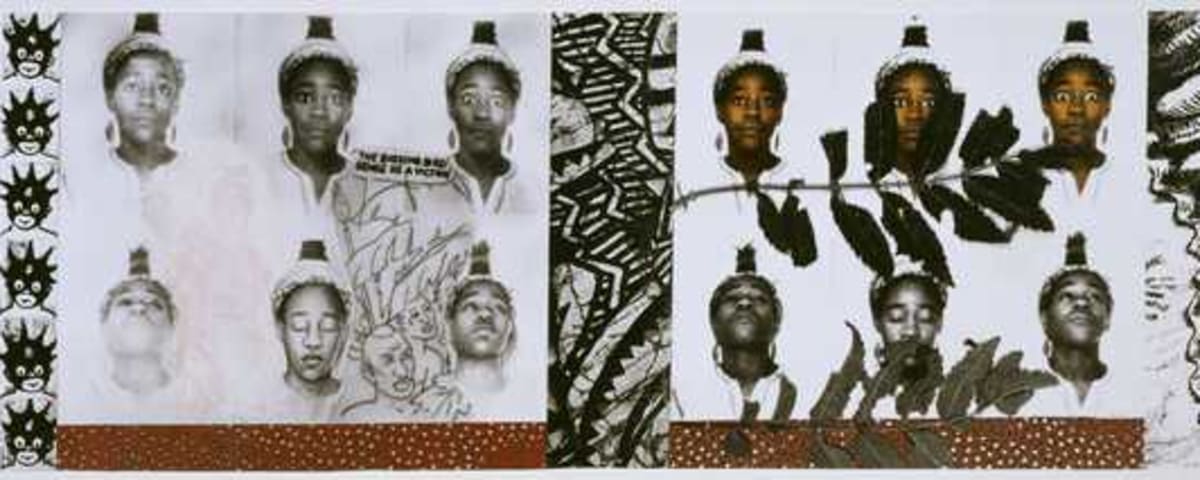
Identity politics is a political and cultural movement that gained significant currency in America and Europe in the mid-1980s. At its core is the idea that political action and solidarity can be based on the shared identity of a particular group, defined by race, ethnicity, sex, gender, sexual orientation, religion, or other characteristics. Identity politics raises questions of oppression, inequality, injustice, and representation, advocating the right of marginalised communities to voice, visibility, and self-determination. In art, identity politics became one of the defining themes from the 1980s and especially during the 1990s. Artists began actively to explore their own experience of belonging to particular groups, questioning established norms of representation, the canon, and structures of power within the art world. Feminist art, queer art, and the work of artists from diverse backgrounds all challenged the notion of a neutral, universal, and most often white and male, artistic subject. Identity politics substantially broadened the range of themes, voices, and forms in contemporary art, though it later provoked debate about the risks of essentialism and fragmentation. Its influence entrenched the understanding that the personal is inseparably bound to the political.




