Oksana Hoianiuk
A lizhnyk weaver from the Kosiv area. She weaves lizhnyky from mountain sheep wool and fulls them in a stream, by a method that remains a living craft in the Hutsul region. She dyes the yarn with bark, leaves and madder.
Articles
 26 August 2026A dye recipe manual is due before the closeTwenty recipes with steeping times and proportions, gathered from Kosiv-area weavers.
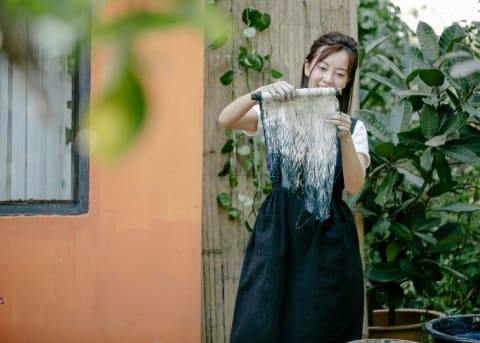 26 August 2026Dyeing is shown in an open workshopOnce a week the vat stands in the hall itself, with extraction and commentary.
 26 August 2026Lingonberry gives not colour but motifA fine scatter of red dots over dark green: berries in moss.
 26 August 2026Madder holds on wool for decadesA 1960s sample in the display has lost less tone than the 2000s synthetic beside it.
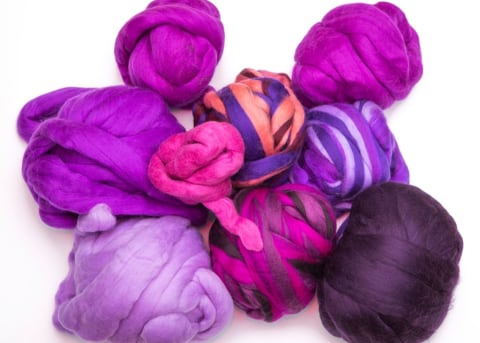 26 August 2026Red from root, green from leafThe show presents both dyes in the work and in the jar, before and after.
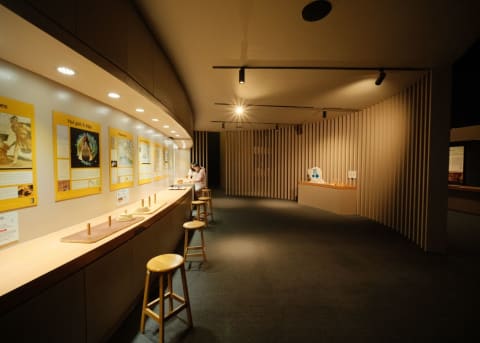 26 August 2026Part of the works will enter the museum collectionFive lizhnyky will stay in Kosiv as a cross-section of the craft this decade.
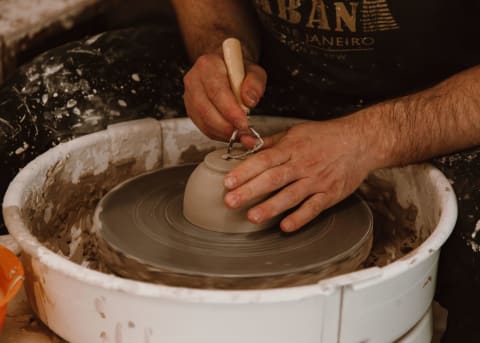 26 August 2026The programme includes a day workshop for childrenSmall frames instead of looms: a lizhnyk cannot be woven in a day, but the principle can be grasped.
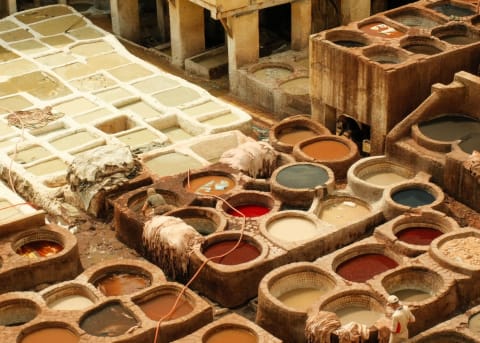 26 August 2026Younger weavers are returning to natural dyesNot from tradition, but because synthetics fade in patches within ten years.
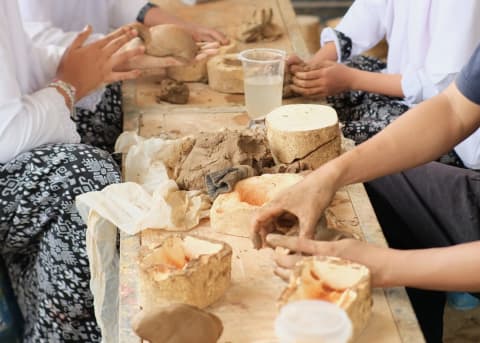 26 August 2026The craft rests on about ten familiesThe exhibition names them, for the first time at this scale.
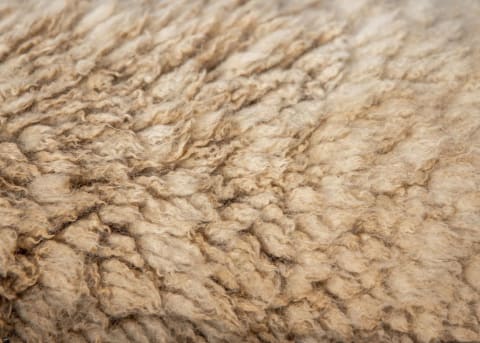 26 August 2026Twelve weavers of the Kosiv area in one hallFrom those who weave by their grandmothers' diagrams to those who draw the pattern in advance.
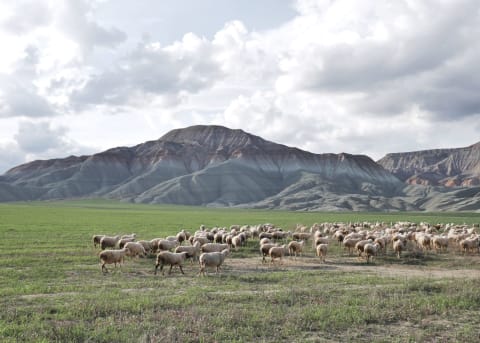 26 August 2026Fleece samples from eight breeds are shown alongsideVisitors may touch them; with wool that is the only way to grasp the difference.
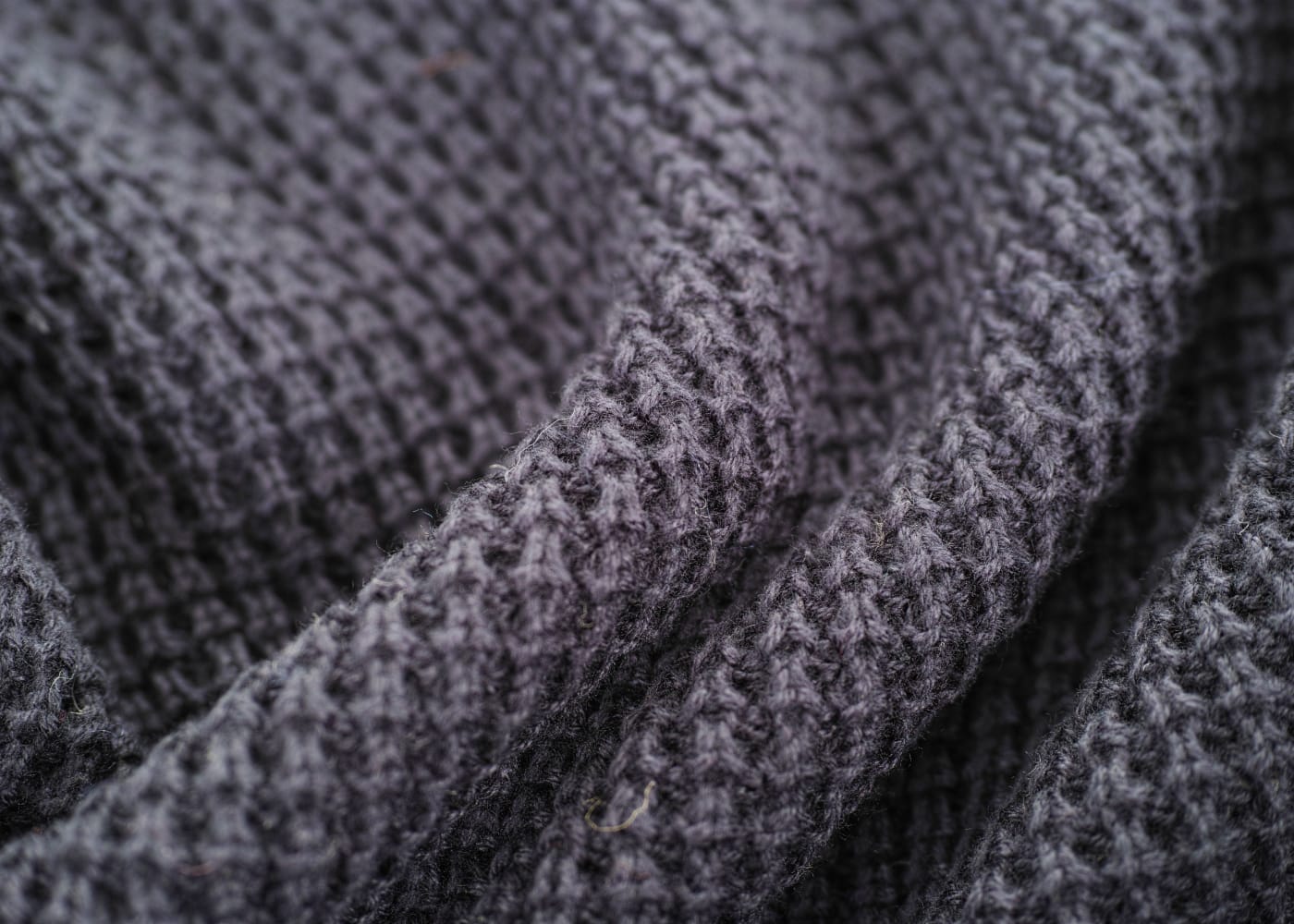
 26 August 2026The show asks whether colour is needed at allThe pattern here reads through texture alone, with no tonal contrast.
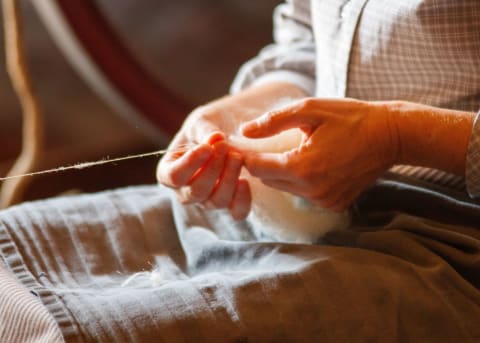 26 August 2026The lightest lizhnyk is made from lamb's woolIt is finer, so the cloth came out nearly twice as light as the rest.
 26 August 2026The difference between flocks shows more than dyeingSheep from higher meadows give darker wool, and the transition between them looks softer.
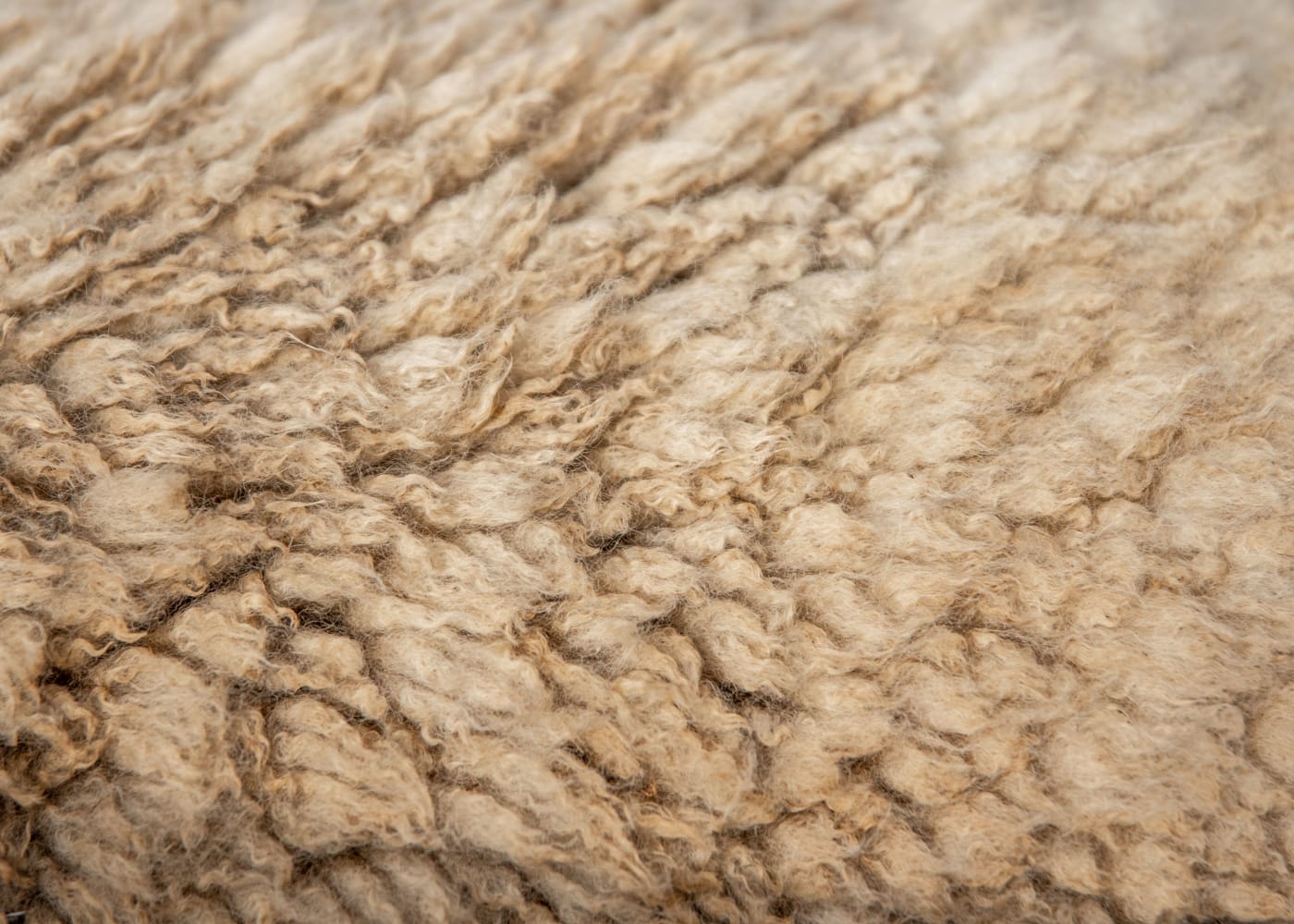
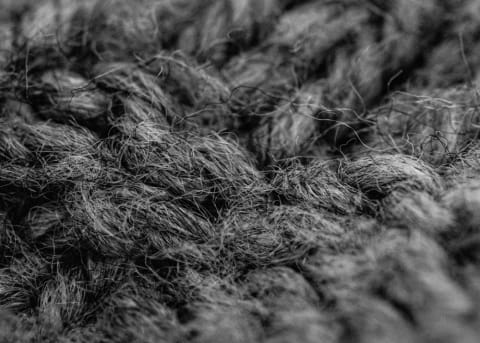 26 August 2026Not one dye in the whole exhibitionEvery shade comes from the wool of different flocks, from cream to dark brown.
 26 August 2026Postcards with the patterns were issued for the showTwelve diagrams at a scale usable for repeating on a loom.
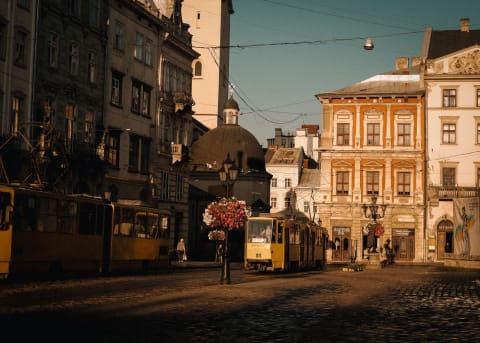 26 August 2026Ivano-Frankivsk sees these works for the first timeUntil now they were shown only in Kosiv and in private collections.
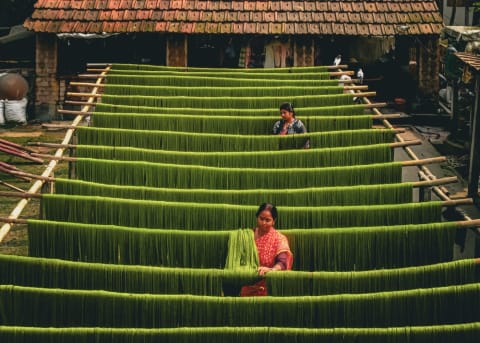 26 August 2026The ground is woven in two shades of greyThe difference is nearly invisible up close and works only from three metres.
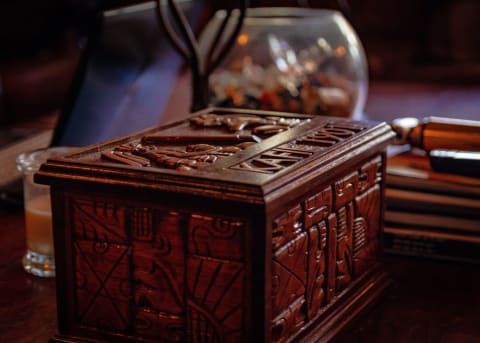 26 August 2026The same sign appears on carved chestsThe show places both crafts side by side: wood and wool speak one ornamental language.
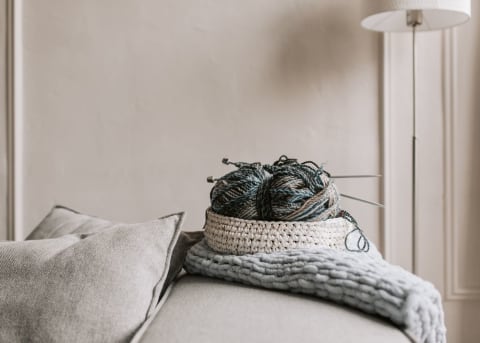 26 August 2026The eight-pointed star across ten worksThe motif is traced from a classic central placement to one shifted to the edge.
 26 August 2026The next showing is planned for LvivAn agreement with the Museum of Ethnography is in place; dates follow the close of the Kosiv part.
 26 August 2026The museum shows the patterns beside pysankyThe rhombus with a dot inside appears in both crafts, and that is no coincidence.
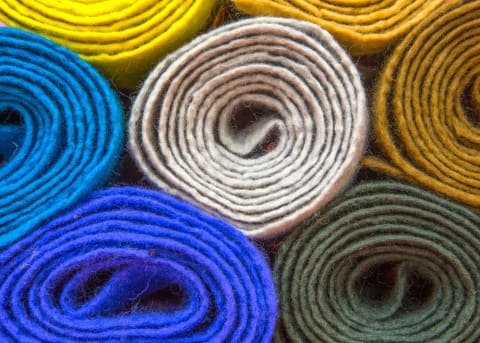 26 August 2026One lizhnyk takes about three weeksA week of that is dyeing the yarn, and only two days are the weaving itself.
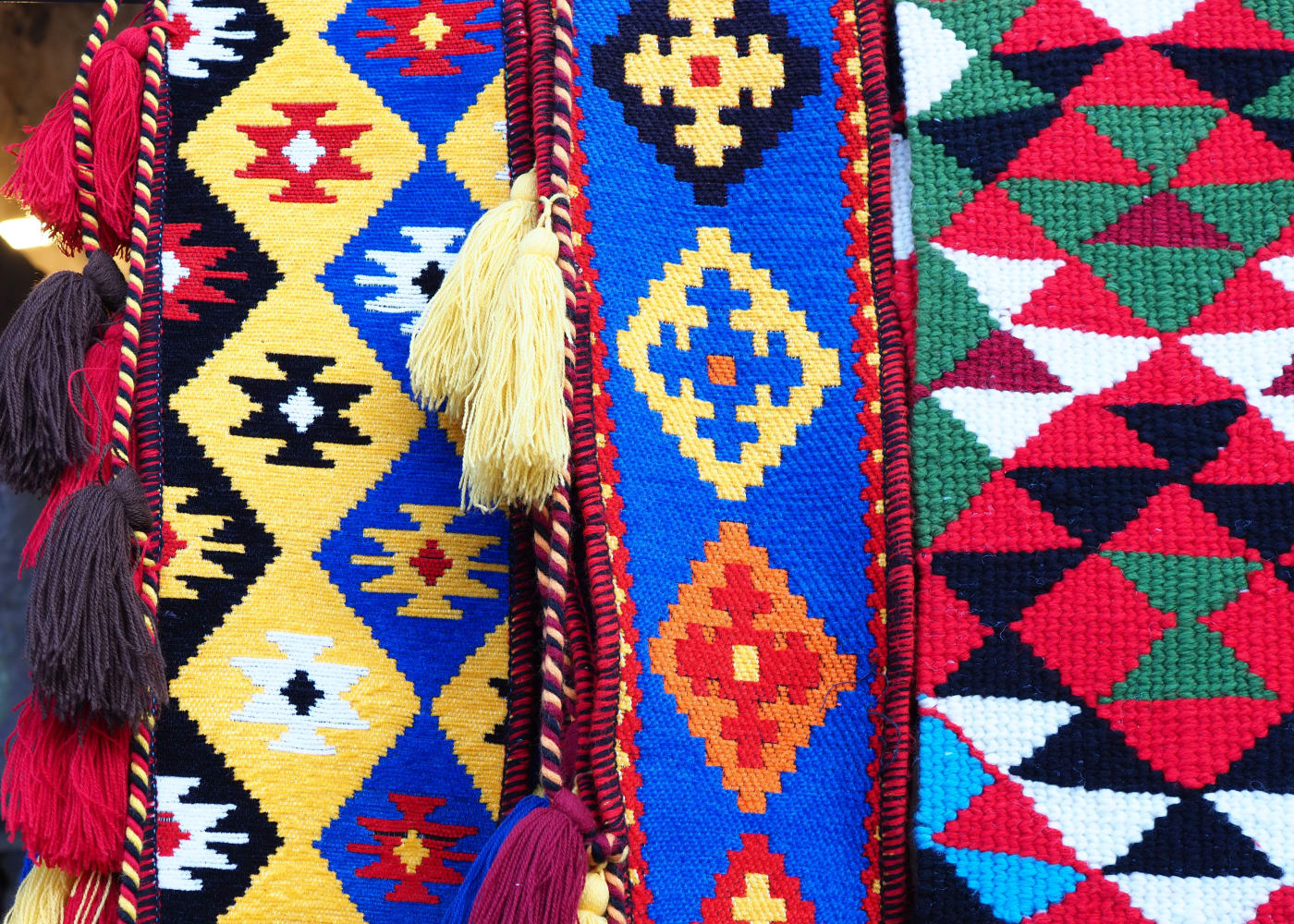
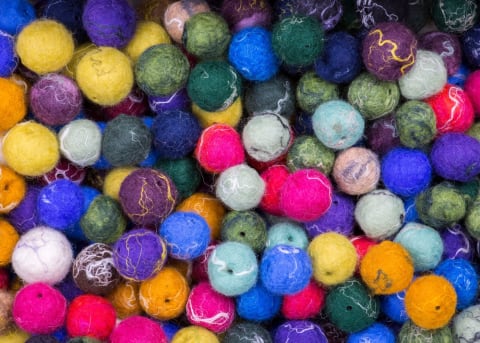 26 August 2026Why the rhombus has held on lizhnyky for centuriesIt arises from the technique itself: a diagonal is the simplest way to change colour without breaking the weft.
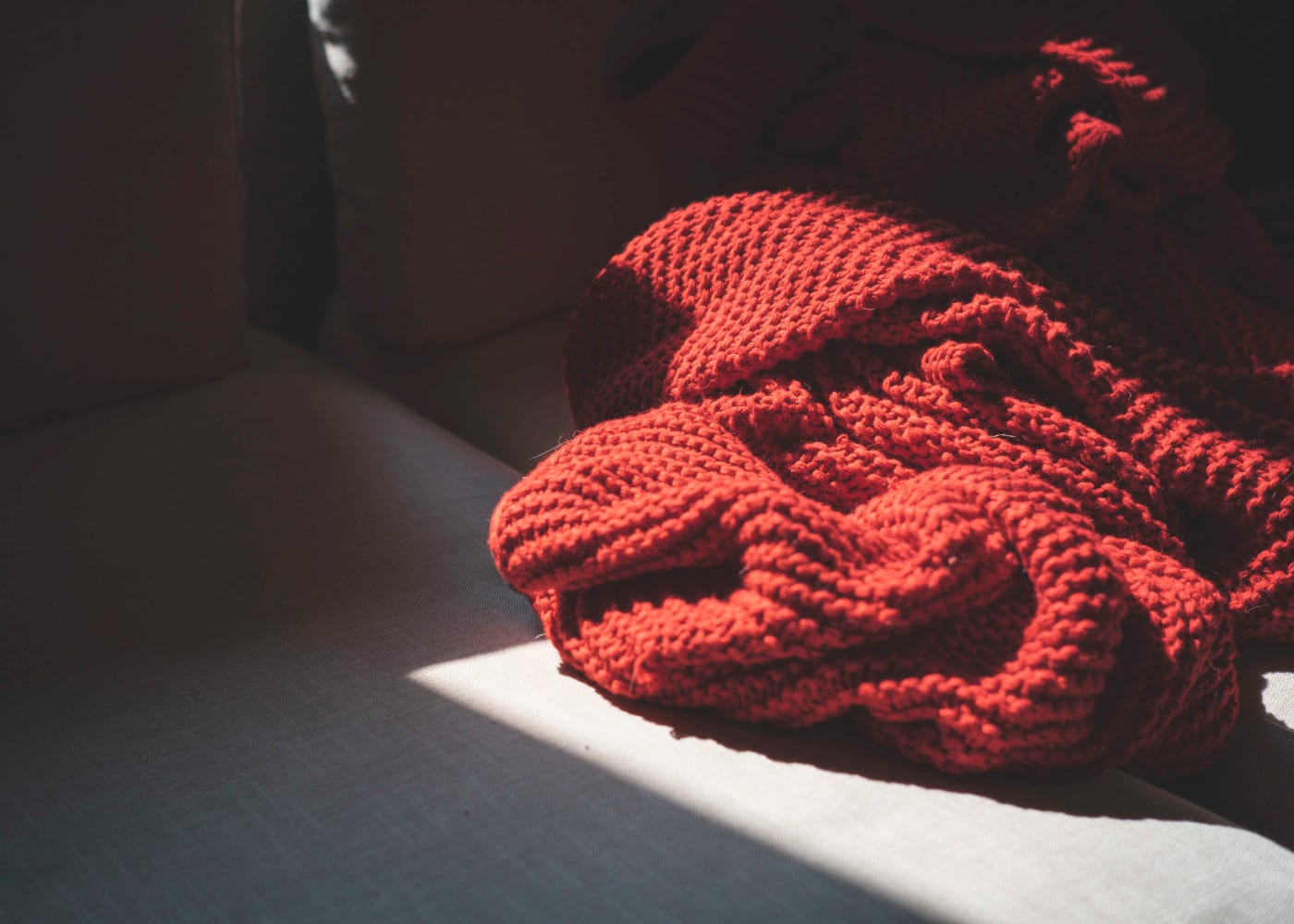
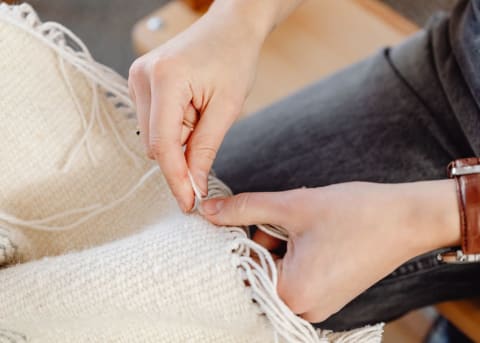 26 August 2026The structure is traditional, the palette is notThree rows of rhombuses remain; red is replaced by terracotta and madder.
 26 August 2026The institute opened its workshop to visitorsTwice a week the fulling can be seen live, in a tub rather than a stream.
 26 August 2026Samples at different stages are on displayEight swatches of one wool, from straight off the loom to twelve hours fulled.
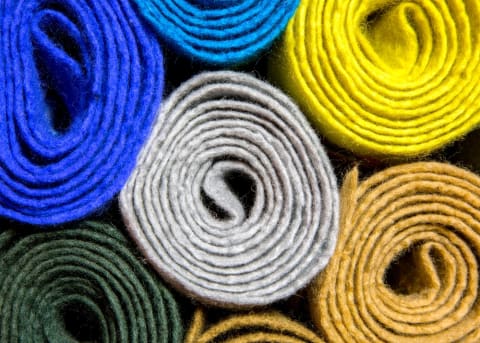 26 August 2026Water temperature changes the densityA cold mountain stream compacts more slowly but evenly across the whole cloth.
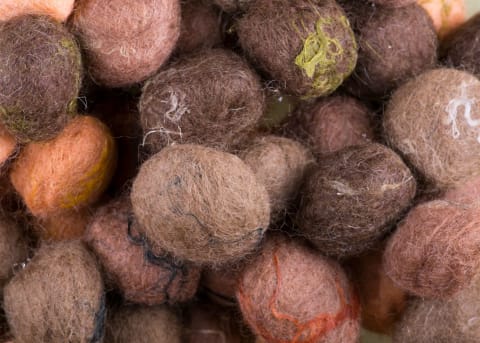 26 August 2026Machine fulling gives an evener resultAnd that is why the pile lies predictably rather than as the current lays it.
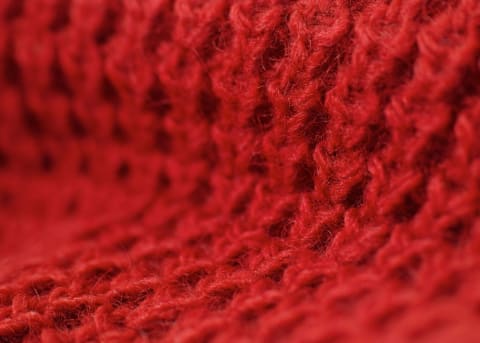 26 August 2026An exhibition about a single stage of the workNot about pattern or colour: only about what happens to the cloth in water.
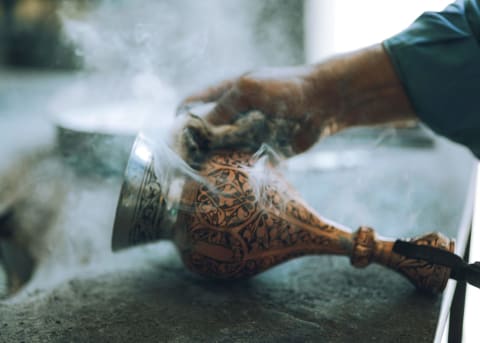 26 August 2026The museum is recording conversations with the weaversHalf a century of experience recorded nowhere except in the lizhnyky themselves.
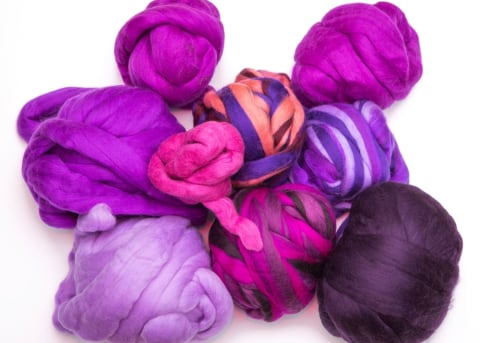 26 August 2026The oldest lizhnyk in the show dates from the 1930sIt hangs beside one from last year: the same pattern, the difference is only in the dyes.
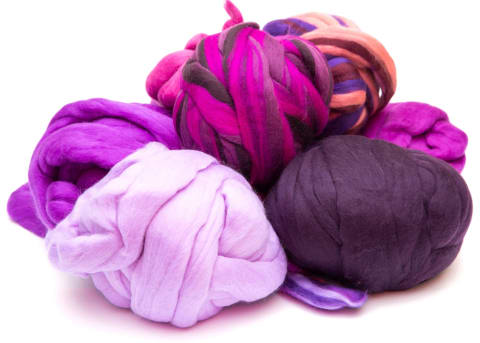 26 August 2026Stream fulling takes up to half a dayWater beats the wool until the pile rises on its own; a machine does it in an hour, but differently.
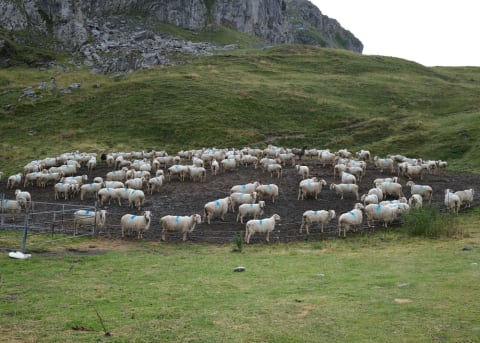 26 August 2026Mountain sheep wool is coarser than lowland woolThat is why a lizhnyk holds warmth: the fibre does not mat under its own weight.
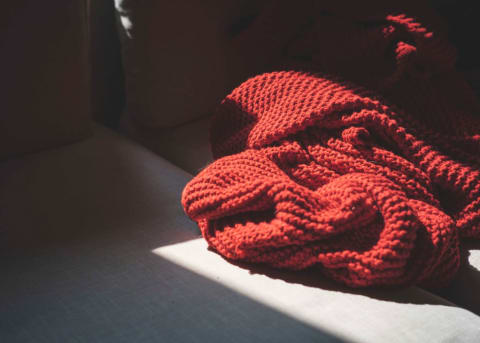 26 August 2026A craft that never brokeLizhnyk weaving in the Kosiv area is still alive: in mountain villages it was never revived because it never stopped.
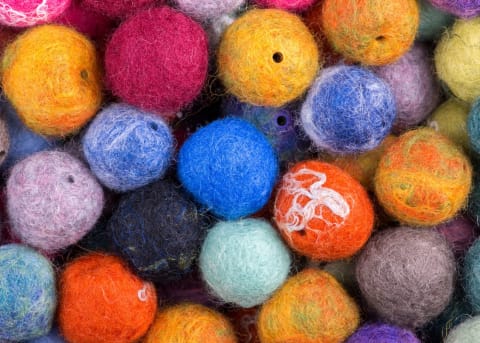 26 August 2026The longer the fulling, the heavier the lizhnyk — and that is not always better'Winter Hut' is the densest work in the set. Such cloth is warmer but also heavier, so the weaver fulls at length only when a piece is meant for winter.
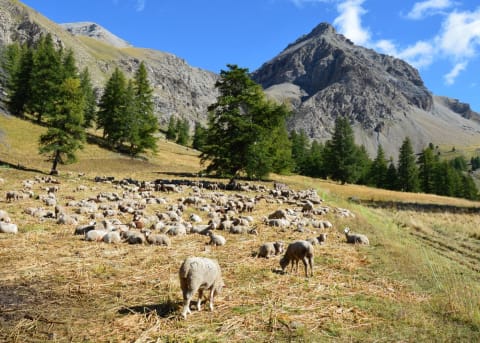 26 August 2026A shift from cream to pale yellow rests on wool from different flocksThere is no dye in 'Verkhovyna Morning'. The shades come from the wool of different sheep, and that is why the transition looks softer than dyeing can achieve.
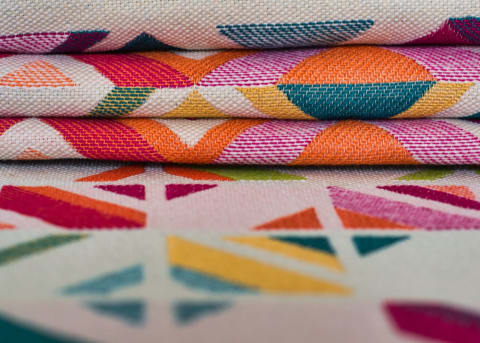 26 August 2026The rhombus pattern stays, the colour turns terracottaIn 'Kosiv Rhombuses' the structure is traditional: three rows of rhombuses. Only the palette changed, and that is enough for the piece to read as contemporary without breaking with tradition.
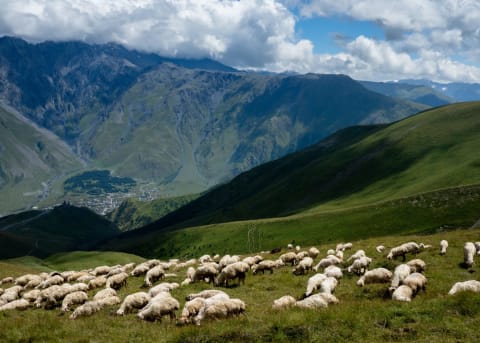 26 August 2026The darkest wool in 'Spruce Night' is not dyed at allIt is the natural colour of the mountain sheep. Oksana Hoianiuk sorts such wool separately and keeps it for works that need a deep tone without blackness.
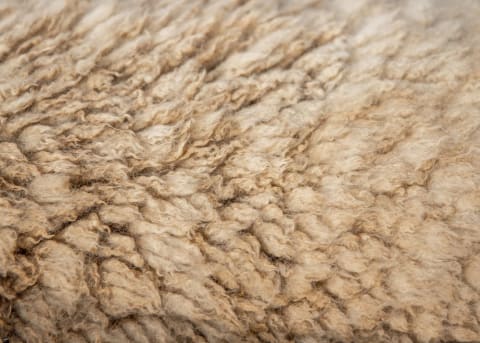 26 August 2026Oksana Hoianiuk fulls her lizhnyky in a mountain streamAfter weaving, the cloth is placed in a stream and the water beats the wool until the pile rises on its own. Machine fulling gives an evener result, but the pile lies differently and mats sooner.