Myroslava Zahorska
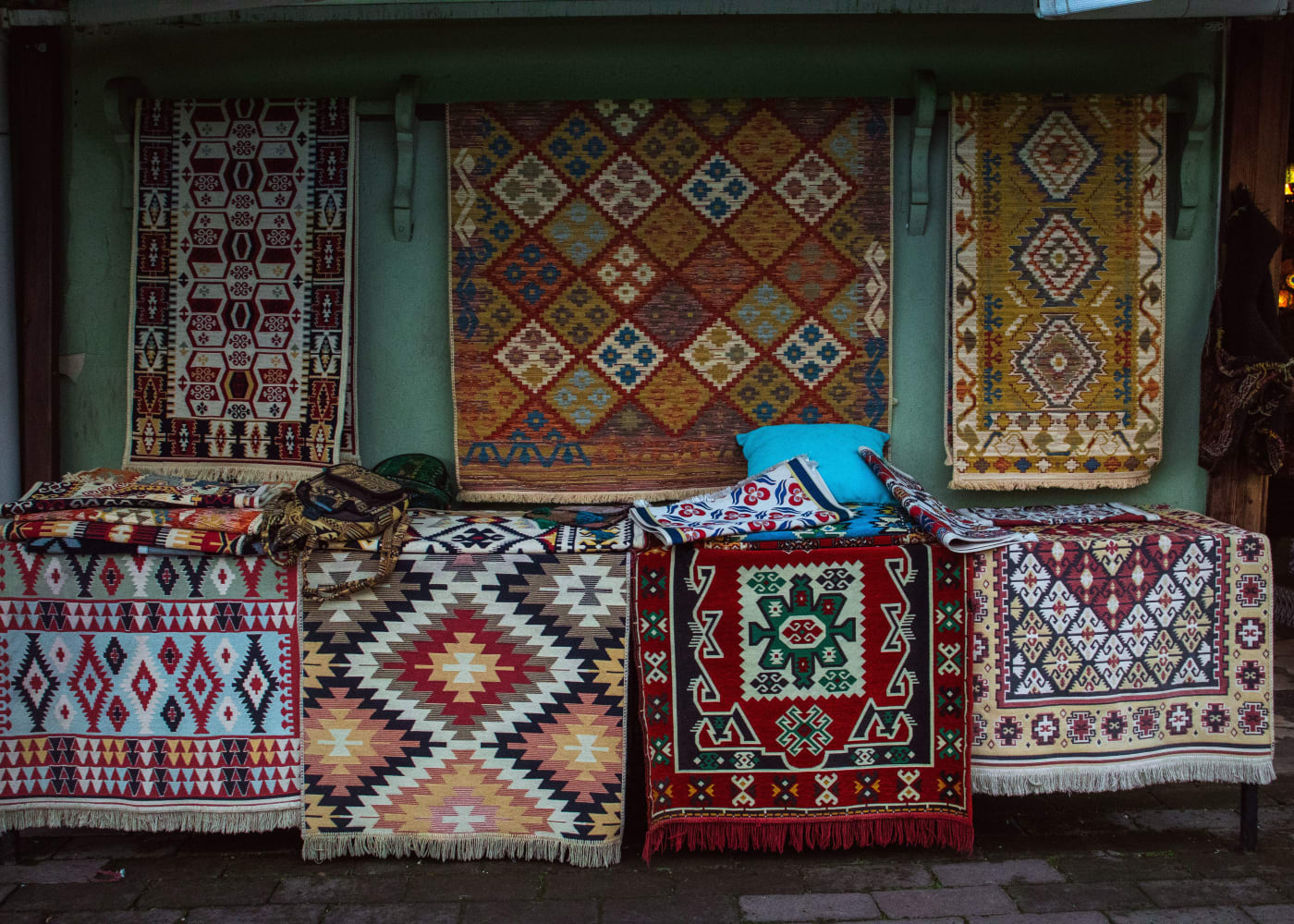
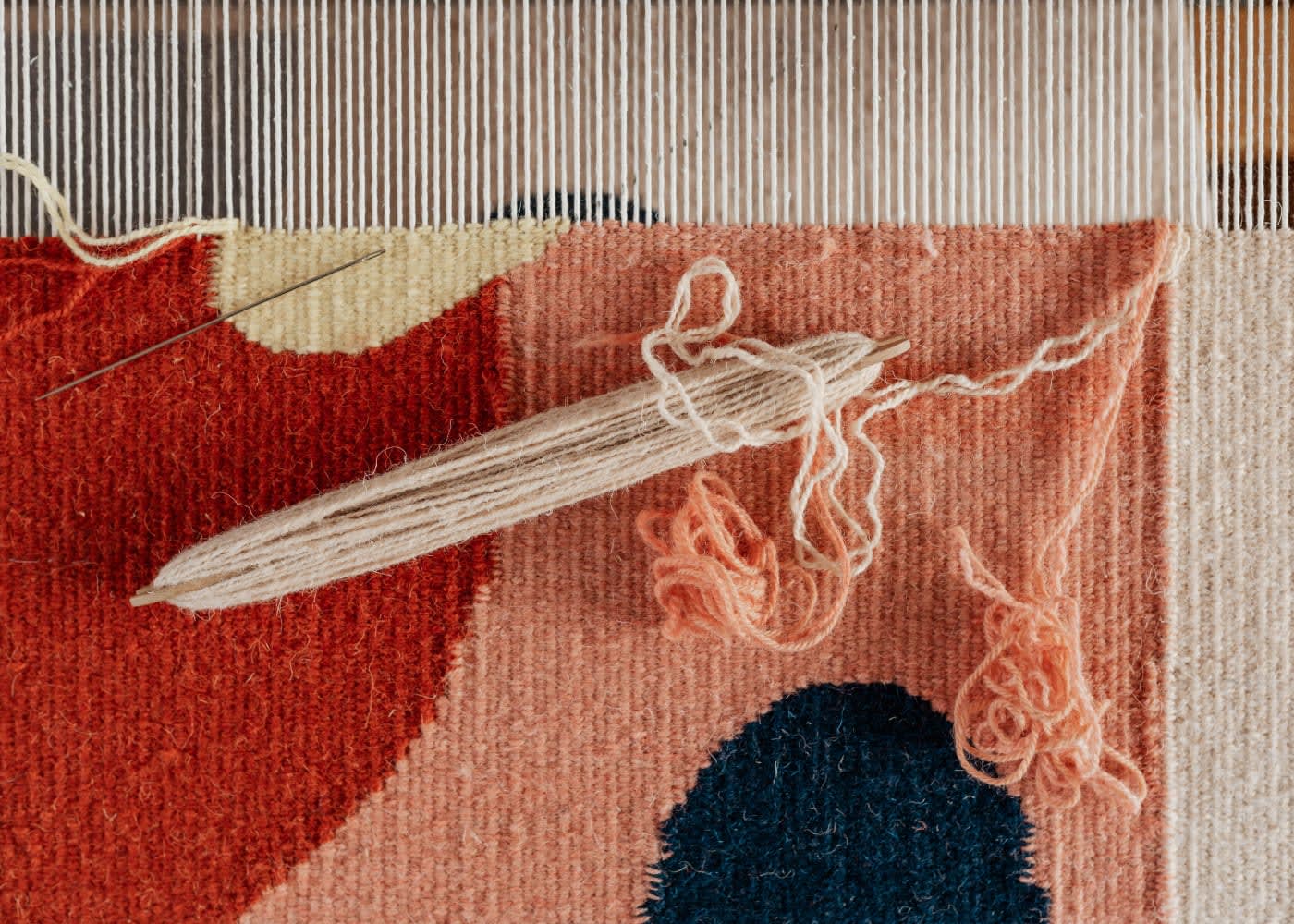
Textile artist working in hand flat weaving. Weaves author tapestries from wool and linen and dyes the yarn herself. Her subjects are the landscapes of Lviv and Roztochchia, architectural motifs and folk ornament.
Articles
 26 August 2026Dzyga is preparing an evening with city photographersTwo languages about one district: a photograph fixes a moment, a tapestry months of work.
 26 August 2026The show runs as long as the snow liesThe dates are deliberate: the work is meant to be seen when the window shows what the wall does.
 26 August 2026The snow is woven from the same wool as the skyThe only difference is the weft direction, which is where the sense of falling light comes from.
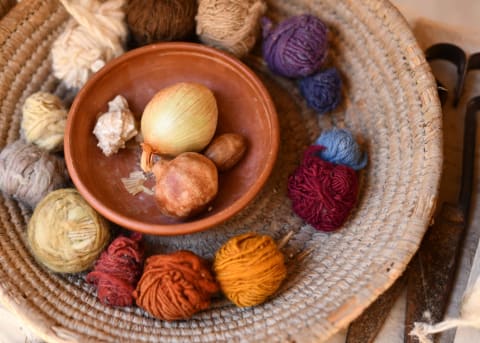 26 August 2026The darkest passages are dyed with alder barkBark gives a warm grey-brown that does not collapse into black under gallery light.
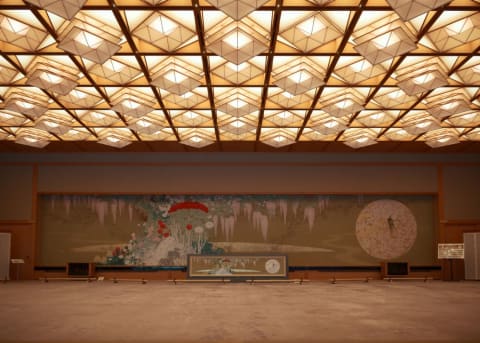 26 August 2026An industrial district in greysRoofs, chimneys and sky: the whole work rests on seven shades of one dye.
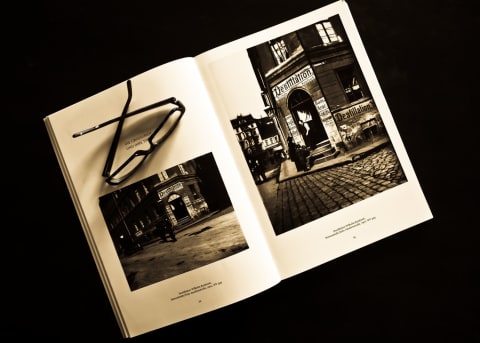 26 August 2026The catalogue gives technical descriptions for the first timeDensity, yarn composition and dyeing method — data that used to stay in the studios.
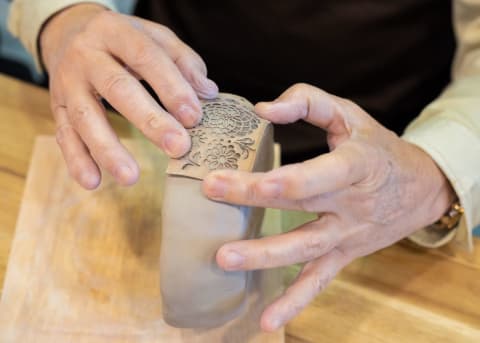 26 August 2026The programme includes three weaving workshopsEach takes six people; no more looms would fit in the hall.
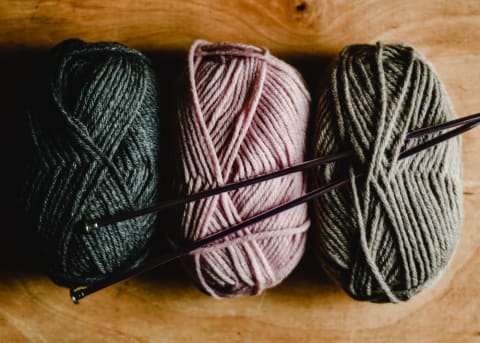 26 August 2026Half the participants dye their own yarnThat is a choice, not a tradition: bought yarn gives an even colour these compositions do not need.
 26 August 2026The oldest work in the show is forty years oldIt is shown as a starting point: the technique has not changed, the attitude to texture has.
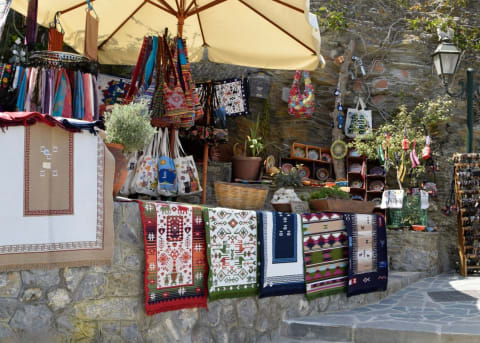 26 August 2026The group show gathers nine weaversFrom classic flat tapestry to works combining wool with metal thread.
 26 August 2026The warp will be cut in front of visitors at the closeCutting a finished tapestry from the loom usually happens alone in the studio.
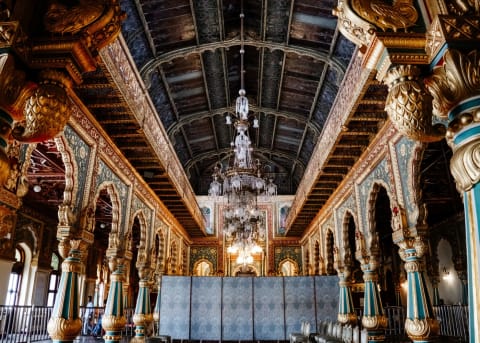 26 August 2026The Palace of Arts gave the show its tallest hallThe largest work is two and a half metres; under a lower ceiling it would read differently.
 26 August 2026Three works are shown from both sidesThey hang on wires in the middle of the hall, so knots and thread crossings stay visible.
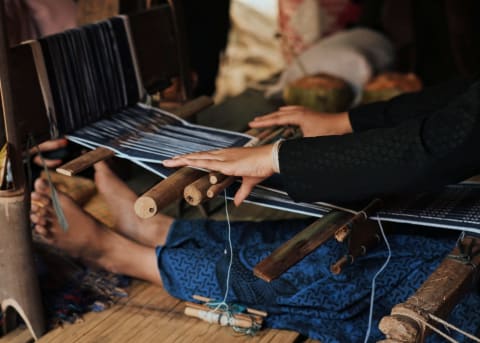 26 August 2026The show opens with an empty loomThe first exhibit is bare warp without a single weft row: where any tapestry begins.
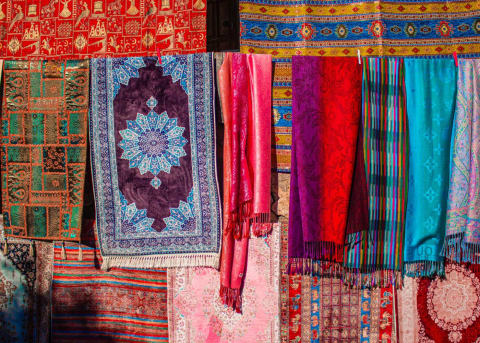 26 August 2026The warp is left exposed in every workAt the edges the stretched threads are visible, the part usually hidden under a hem.
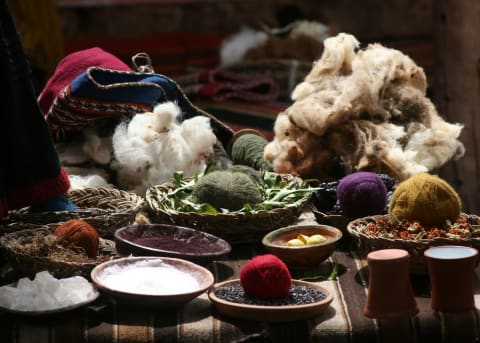 26 August 2026Yarn samples before and after dyeing are shown alongsideThirty skeins in glass jars show how many shades one plant yields at different steeping times.
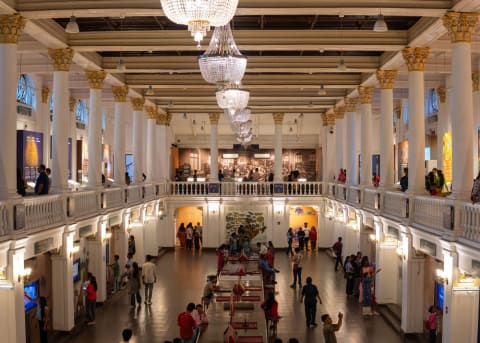 26 August 2026Dzyga shows the works without glassThe gallery's decision: wool texture vanishes under glass, and here it carries half the meaning.
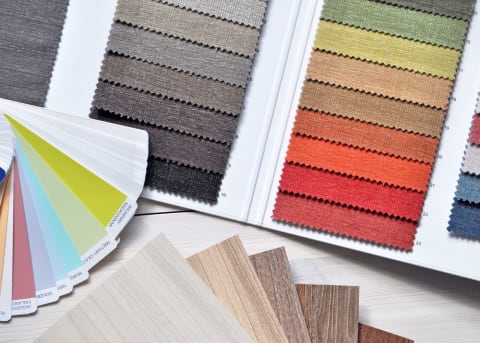 26 August 2026Why the green here is always mutedPlant dyes give no pure green; it is built by layering blue over yellow.
 26 August 2026The madder for the red is grown near LvivThe root matures for three years; one plant yields yarn for half a tapestry.
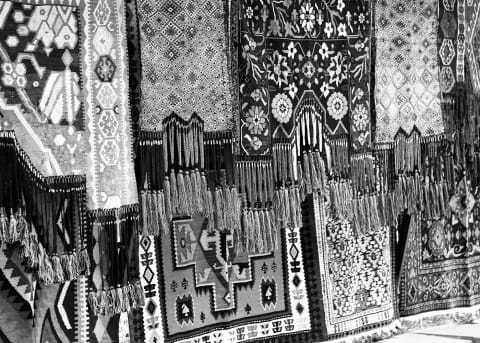 26 August 2026The whole palette comes from three plantsAlder bark, oak leaves and madder give everything from grey to red with no synthetic dye.
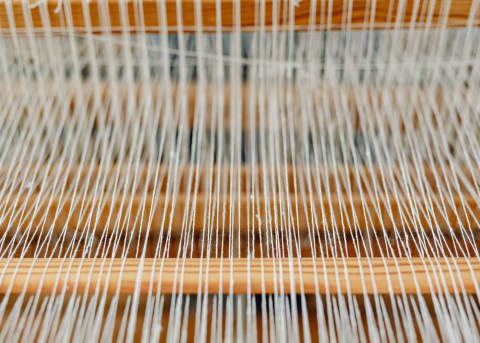 26 August 2026A loom with an unfinished work stands in the hallVisitors see the reverse of the cloth, the side a finished tapestry hides for good.
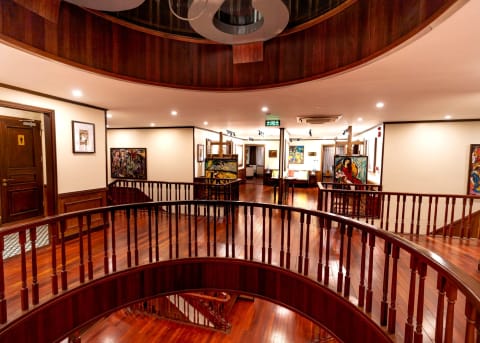
 26 August 2026The museum opened its second floor for the showThe works needed distance: the compositions are built for a view from eight metres.
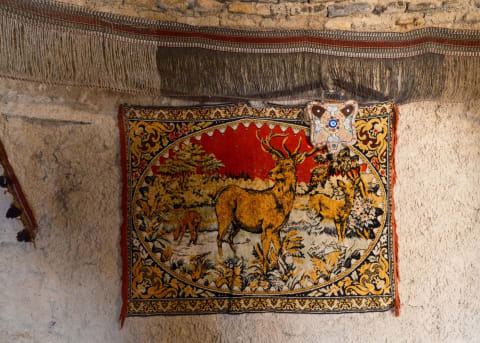 26 August 2026The winter tapestry is the lightest in the showThe snow is woven in undyed wool from two flocks; the difference between them gives the volume.
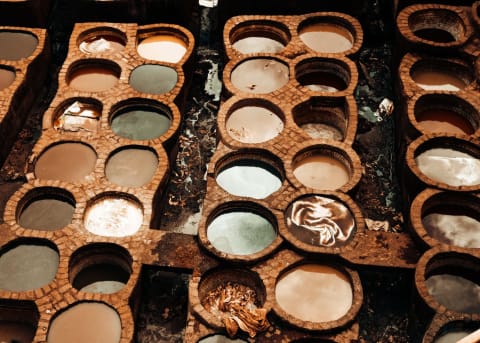 26 August 2026The autumn piece was dyed with onion skinThe ochre from onion skin runs deeper than synthetic and lacks the yellow cast that glares under lamps.
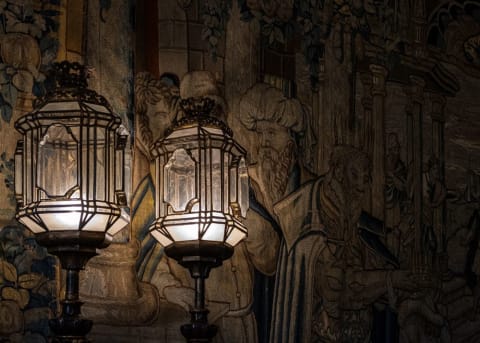 26 August 2026Four seasons, four dyeingsEach tapestry is woven in wool of a single dyeing, so the colour shift rests on light rather than pigment.
 26 August 2026The catalogue was printed on linen paperThe choice is not decorative: linen is the second thread in these works after wool.
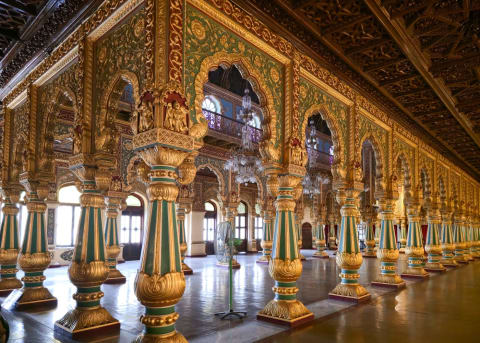 26 August 2026Potocki Palace gave the show its own hallsThe tapestries hang in the enfilade, so a facade in cloth stands beside a facade in stone through the window.
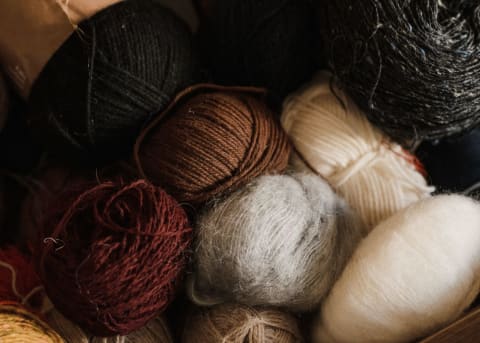 26 August 2026Silk thread appears in only two tapestriesIt marks glass, the one facade material that behaves with light differently from stone.
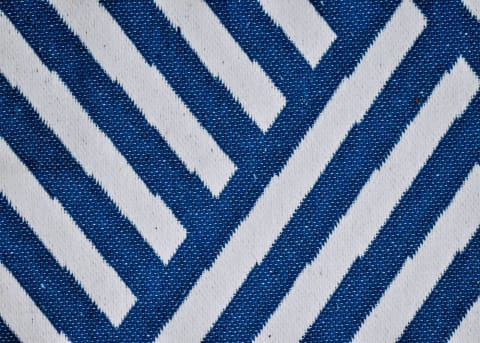 26 August 2026Why these works hold no diagonalThe limit is deliberate: vertical and horizontal are what both masonry and weaving are made of.
 26 August 2026Eight facades reduced to rectanglesThe Renaissance townhouses of Rynok Square appear as a grid of fields, windows marked by darker wool.
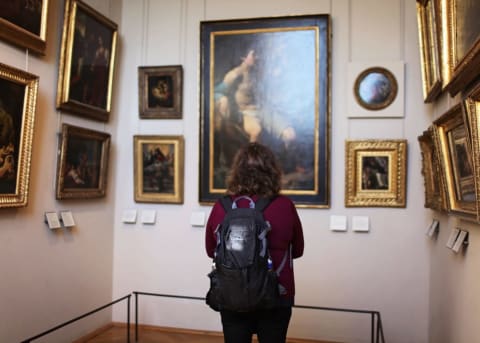 26 August 2026The artist leads the Saturday tours herselfAn hour by a loom set up in the hall itself, where visitors may try throwing a few rows.
 26 August 2026'Highland Meadow at Dawn' is shown for the first timeThe two-metre work stayed in the studio for two years: the artist considered the upper third unfinished.
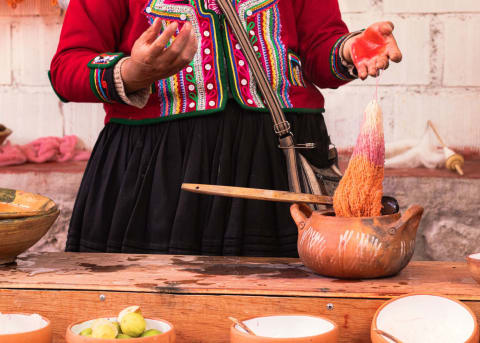 26 August 2026Hand-dyed wool fades differentlyNatural dyes dull evenly over time while synthetics fade in patches. The hall makes that visible across years.
 26 August 2026Why the display holds no preparatory drawingsDrawing is replaced by the structure of the cloth: the composition is born on the loom, not on paper.
 26 August 2026The retrospective gathers work from three periodsThe earliest tapestries hang beside last year's, showing the move from dense ornament to open fields.
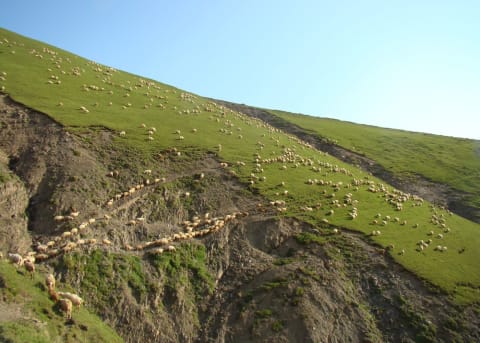 26 August 2026Wool of two thicknesses gives a relief that a photograph missesIn the tapestry 'Lychakiv Maples' the leaves are woven with a thicker thread than the ground. The difference is a few millimetres, yet the surface catches side light differently.
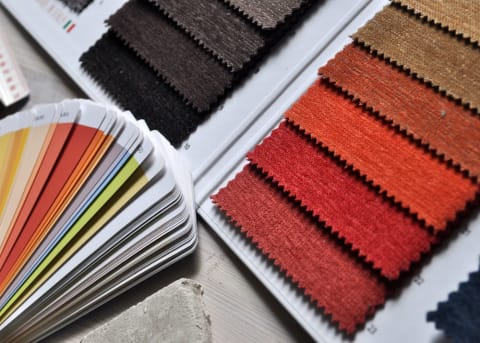 26 August 2026Three shades of ochre and one blue: on the palette of 'Bells of St. George'The composition is built on the vertical rhythms of the bell tower. Limiting the palette to four colours was deliberate — it forces the eye to read form rather than colour.
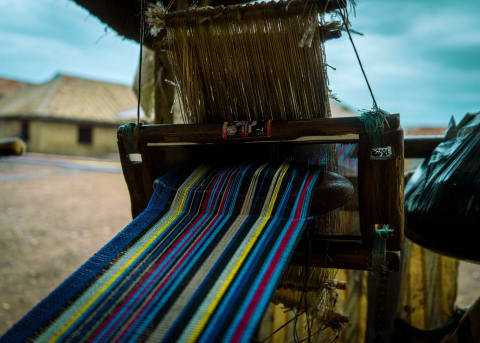 26 August 2026The tapestry 'Thread and Word' leaves the warp exposed on purposeAt the edges of the cloth the stretched warp is visible — the part usually hidden. The artist explains it simply: the viewer should see what the thing they are looking at is made of.
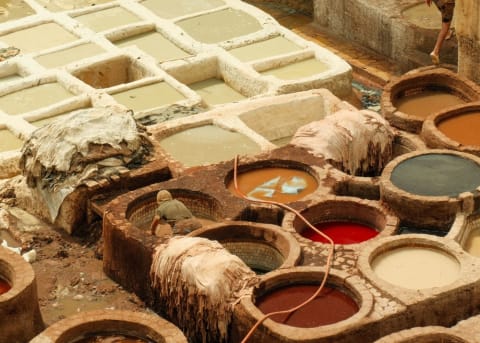 26 August 2026How wool is dyed with alder bark — briefly about the methodBark yields a warm grey-brown that does not fade in light. Myroslava Zahorska used it in the tapestry 'Winter Pidzamche' so that the darkest passages would not collapse into black.
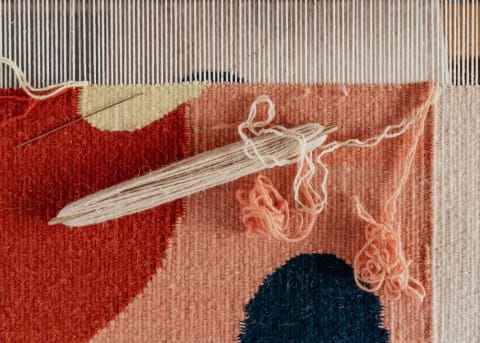 26 August 2026Myroslava Zahorska shows a new tapestry series in LvivTwelve works woven over the past three years are shown together for the first time. The series is held together by one device: every tapestry is woven in hand-dyed wool, and the artist never repeated…