




Site-specific
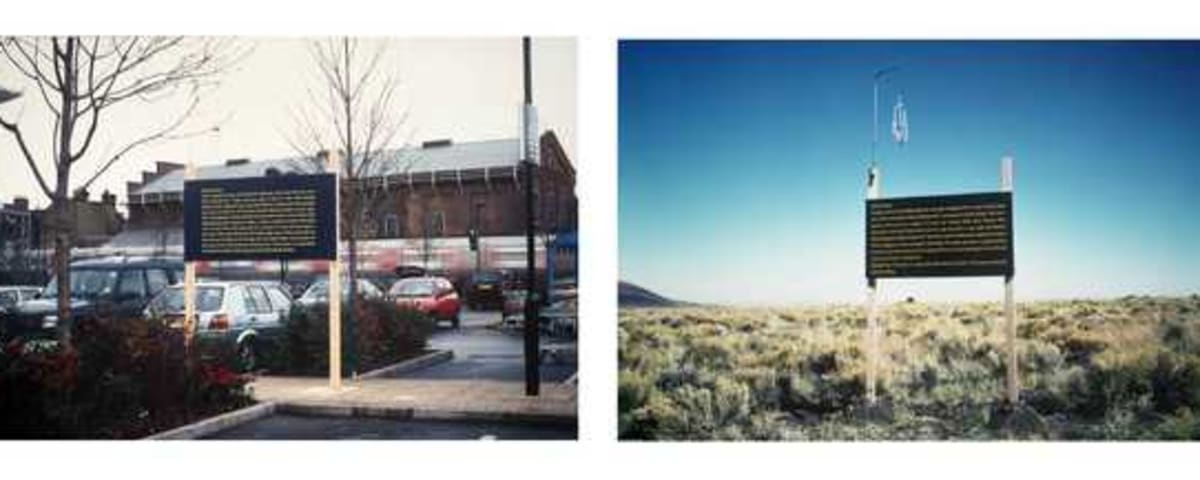
Site-specific describes an artwork conceived and made for one particular location, existing in an inseparable dialogue with that space and losing much of its meaning if removed. Unlike a portable painting or a freestanding sculpture, such a work responds to the architecture, history, landscape, light and social context of its chosen setting. The approach flourished from the 1960s within minimalism, land art and installation practice: Richard Serra, Robert Smithson and Daniel Buren insisted that relocating a work destroys it, most famously in the controversy over Serra's Tilted Arc. The concept extends to public art and museum interventions that reframe an existing environment. In Ukraine the site-specific logic resonates with contemporary artists who work inside abandoned industrial halls, ruined buildings and urban spaces, turning the place itself into material and a vehicle for statements about memory, history and identity.




