




Relational aesthetics
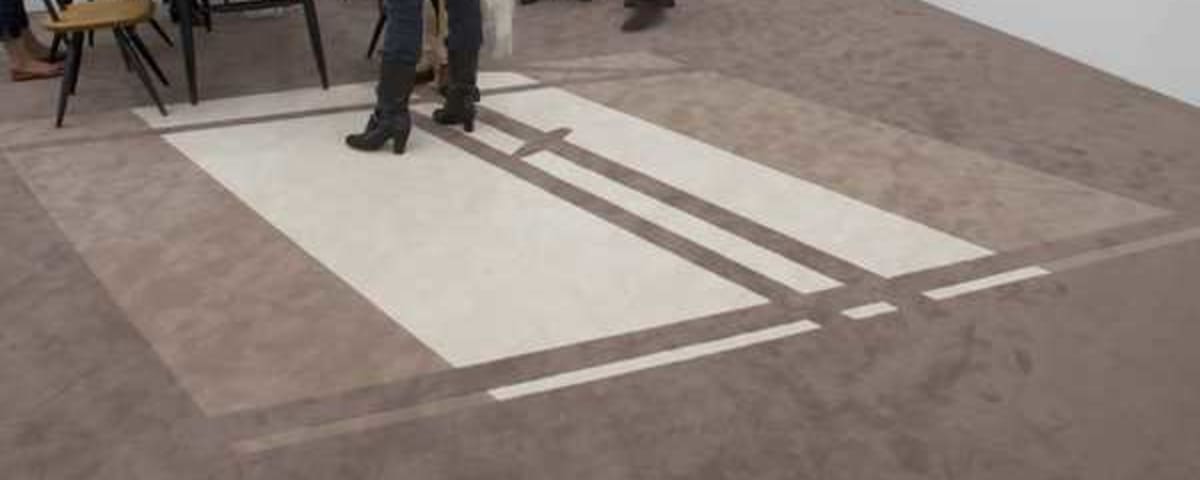
Relational aesthetics is a theory and artistic tendency formulated by the French curator and critic Nicolas Bourriaud in the 1990s, most notably in his influential book Relational Aesthetics (1998). Bourriaud observed that a number of contemporary artists were creating works based not on a material object but on human relations and their social context. In relational art the work itself is a situation, an encounter, a shared action, or an interaction between people, rather than a painting or sculpture intended for contemplation. Bourriaud developed this concept from the practices of artists such as Rirkrit Tiravanija, who cooked and served food to gallery visitors, along with Philippe Parreno, Liam Gillick, and Christine Hill. In relational aesthetics, art is regarded as a state of encounter, and the artist as someone who creates the conditions for social interaction and micro-utopian communities within the art space. This theory influenced the development of participatory and socially engaged art and the educational turn. At the same time, relational aesthetics was criticised, notably by the theorist Claire Bishop, who argued that not all social interaction is equally meaningful and that some relational projects avoid genuine conflict and criticality. Despite these debates, the concept remains influential in the understanding of contemporary artistic practices.




