




Rayonism
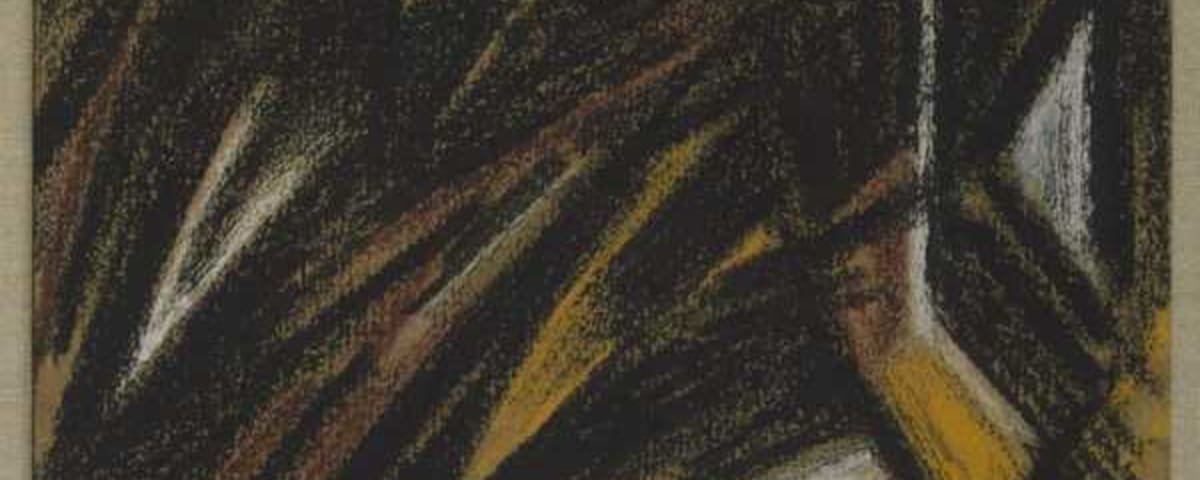
Rayonism (from the French rayon, "ray") was an early form of abstract art characterized by the interaction of lines and forms derived from rays of light reflected off objects. The tendency was developed by the artists Mikhail Larionov and Natalia Goncharova around 1912–1913 and announced in a manifesto in 1913. Rayonism was based on the idea that the eye sees not objects themselves but the rays of light they emit; the artist's task was to depict not the thing but the intersection of these invisible streams of light in space. The canvases showed dynamic bundles of colored lines crossing at various angles, creating a shimmering, almost non-objective field. Theoretically the tendency echoed the ideas of Italian Futurism regarding movement, dynamism, and energy, as well as the scientific conceptions of light of its time. Goncharova, whose art was closely linked to folk tradition and icon painting, brought to Rayonism a sense of color and decorative rhythm. Although the movement was short-lived, it became one of the earliest steps toward complete abstraction in European art.




