




Picturesque
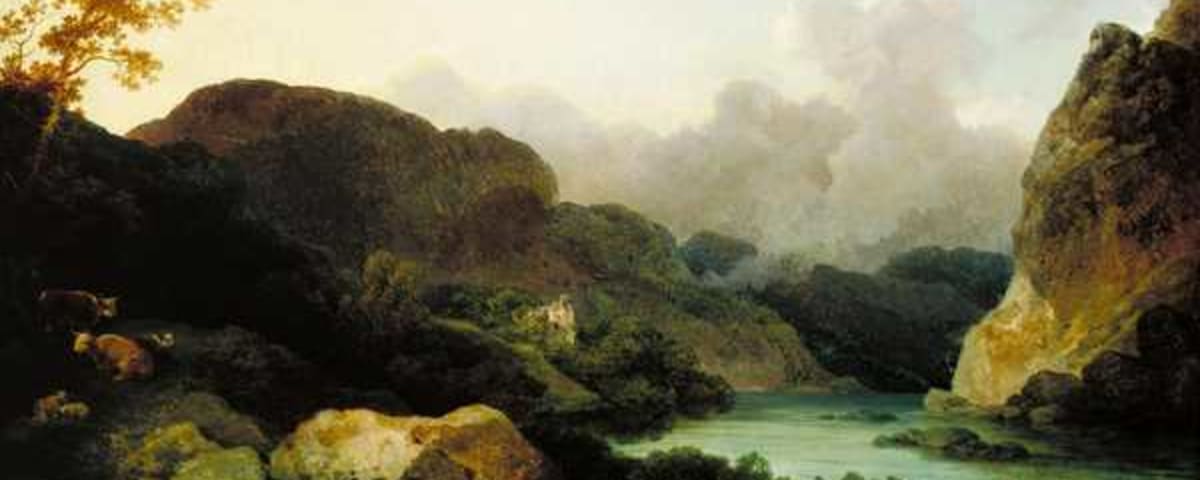
Picturesque is an aesthetic category that took shape in Britain at the end of the eighteenth century and described an ideal type of landscape attractive precisely for its artistic, "picture-like" quality. The term derives from the Italian pittoresco — "resembling a picture." The picturesque occupied an intermediate position between two other categories of the era — the "beautiful," which implied smoothness, harmony, and tenderness, and the "sublime," associated with vastness, terror, and the power of nature. The picturesque, by contrast, valued irregularity, roughness, variety, ruins, gnarled trees, and elements of wildness that gave a landscape its picturesque character. The theory was developed by the English authors William Gilpin, Uvedale Price, and Richard Payne Knight at the close of the eighteenth century. The concept had an enormous influence on landscape painting, garden design, and Romantic literature: gardens were deliberately arranged to resemble the paintings of Claude Lorrain and Salvator Rosa. The picturesque shaped the taste of an entire era in the perception of nature and left a deep mark on European landscape culture.




