




Performance art
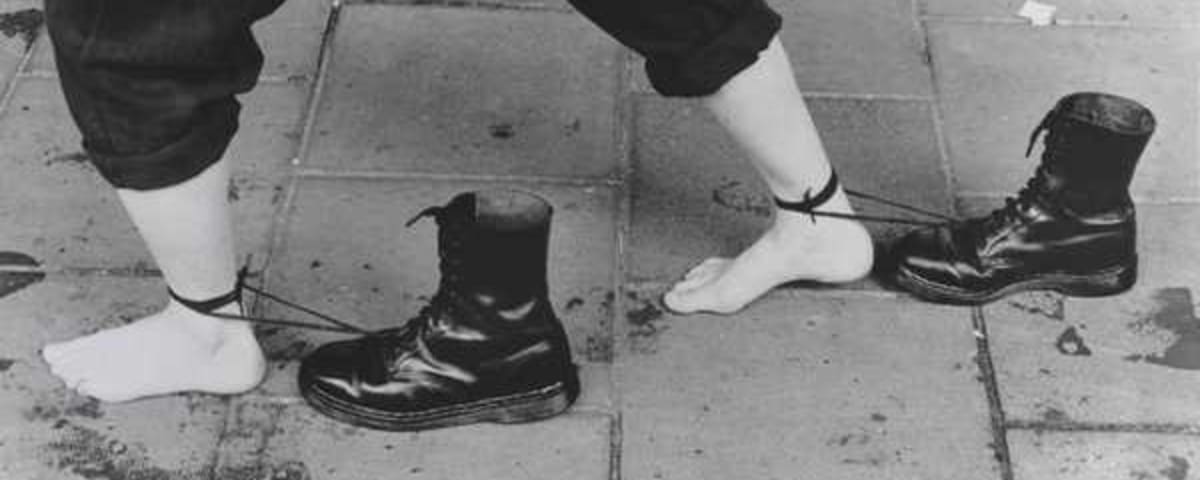
Performance art is an art form in which the artist uses their own body as the primary medium and carries out a particular action or series of actions that themselves become the artwork. Unlike painting or sculpture, performance exists in time and space, is ephemeral and often unrepeatable, and its main components are the artist's presence, duration, interaction with the viewer, and the live experience itself. The origins of the genre reach back to the avant-garde evenings of the Dadaists at the Cabaret Voltaire, Futurist demonstrations, and early twentieth-century experiments, but as an independent form performance took shape in the 1960s and 1970s within the context of Conceptual art, body art, and feminism. Classic examples are the works of Marina Abramović, who tested the limits of the body and endurance, the actions of Joseph Beuys with his idea of "social sculpture," and the performances of Vito Acconci and Chris Burden. Performance is often recorded in photographs, video, or documents, which later become museum objects themselves. The genre radically changed ideas about the materiality and permanence of the artwork.




