




Orphism
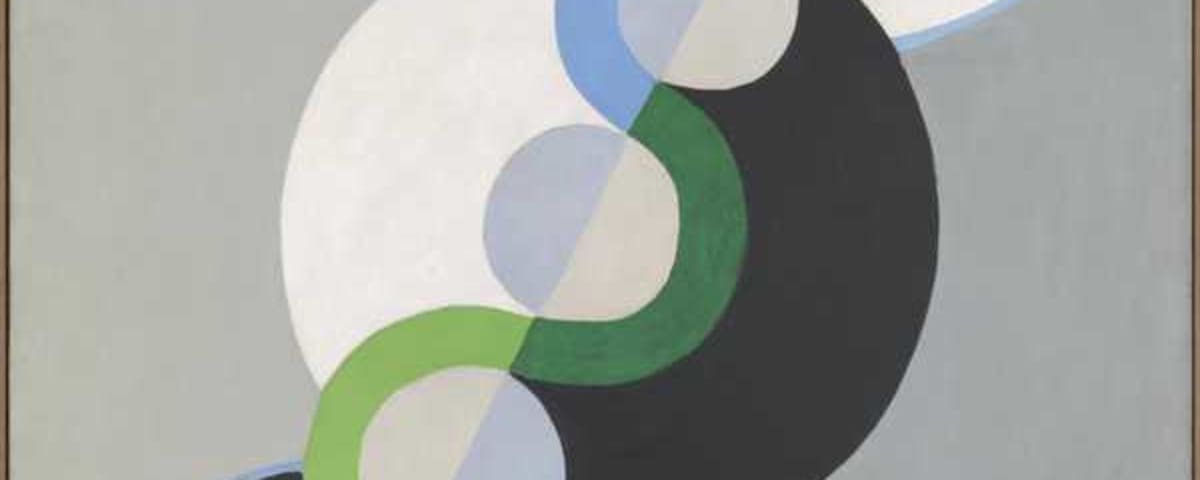
Orphism was an abstract or semi-abstract painting style that arose under the influence of Cubism and was developed by the artist couple Robert and Sonia Delaunay from around 1912. The name was proposed by the poet Guillaume Apollinaire, who linked the new painterly language to the mythical singer Orpheus, emphasizing its lyrical, musical, almost poetic nature. Unlike Analytical Cubism with its muted palette and decomposition of form, Orphism made color an independent means of expression and the main driving force of composition. Artists built images on contrasts of pure spectral colors that, interacting, generated a sense of light, movement, and rhythm. Its theoretical foundation was the concept of the "simultaneous contrast" of colors. Key works of the tendency are Robert Delaunay's "Windows" and "Discs" series, as well as Sonia Delaunay's textile and painting works. Orphism influenced the development of abstraction in Europe and America, notably the American Synchromist painters, and became an important step in the emergence of non-objective art in the early twentieth century.




