




New genre public art
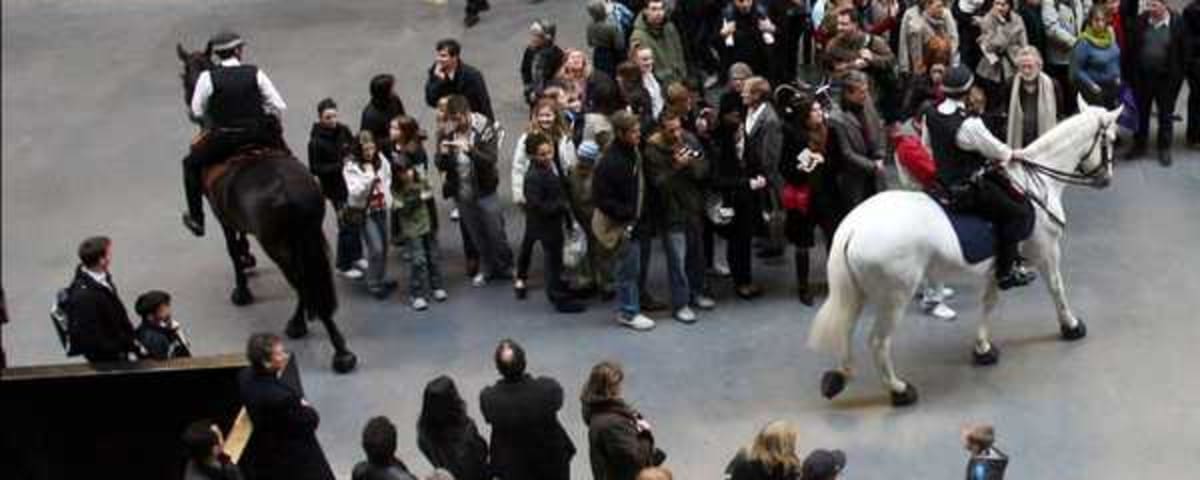
New Genre Public Art is a form of public art that is often activist in character and created outside museum and institutional structures with the aim of directly engaging a particular community in co-creation and dialogue. The term was introduced by American artist Suzanne Lacy in the late 1980s and early 1990s, generalizing practices in which content, rather than form, defines the work. Unlike traditional monuments or plaza sculptures, New Genre Public Art focuses on social issues — gender inequality, racism, poverty, ecology, and the rights of marginalized groups. The artist acts more as an organizer of a process than as the author of a finished object, and the community itself becomes a co-author. Projects may last months or years and take the form of performances, meetings, actions, and educational initiatives. This tendency is closely linked to participatory and socially engaged art and expanded the understanding of where and for whom art exists in public space.




