




New British sculpture
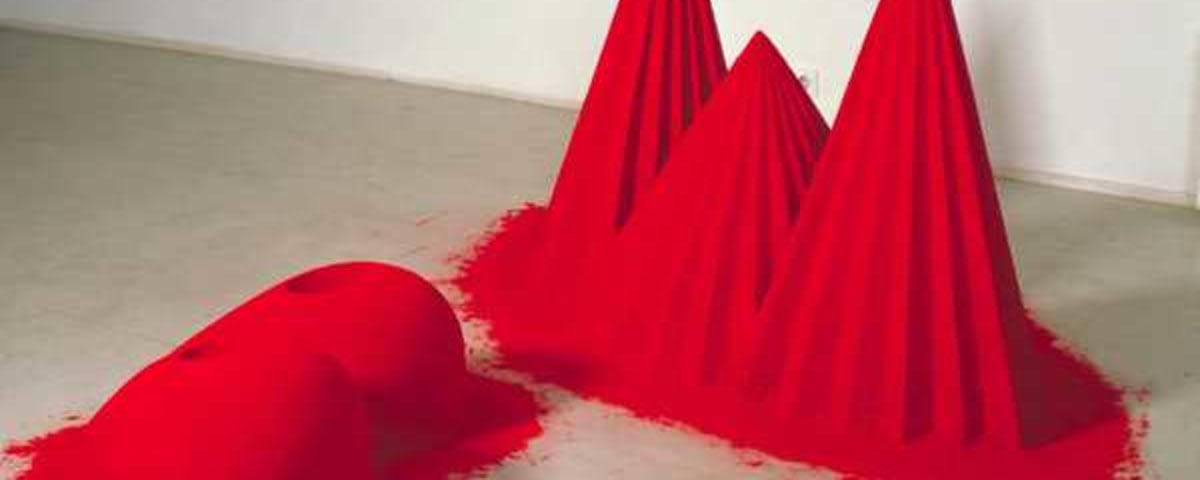
New British Sculpture is a term applied to the work of young British sculptors of the 1980s who, reacting against the austerity of Minimalism and the intellectual asceticism of Conceptual art, chose a freer, more playful and imagistic approach to materials, techniques, and subjects. Instead of industrial impersonality, they turned to found objects, domestic junk, cheap industrial materials, and bright color, transforming everyday things into poetic or ironic objects. Leading figures of the movement include Tony Cragg, Richard Deacon, Bill Woodrow, Anish Kapoor, and Edward Allington. Their works often balanced between abstraction and the suggestion of recognizable forms, raising questions of consumerism, urban life, and humanity's relationship with the material world. Many of these artists gained international recognition through exhibitions at the Lisson Gallery in London. New British Sculpture restored tactility, wit, and metaphor to the language of three-dimensional art and significantly influenced the subsequent generation of British artists.




