




Neo-dada
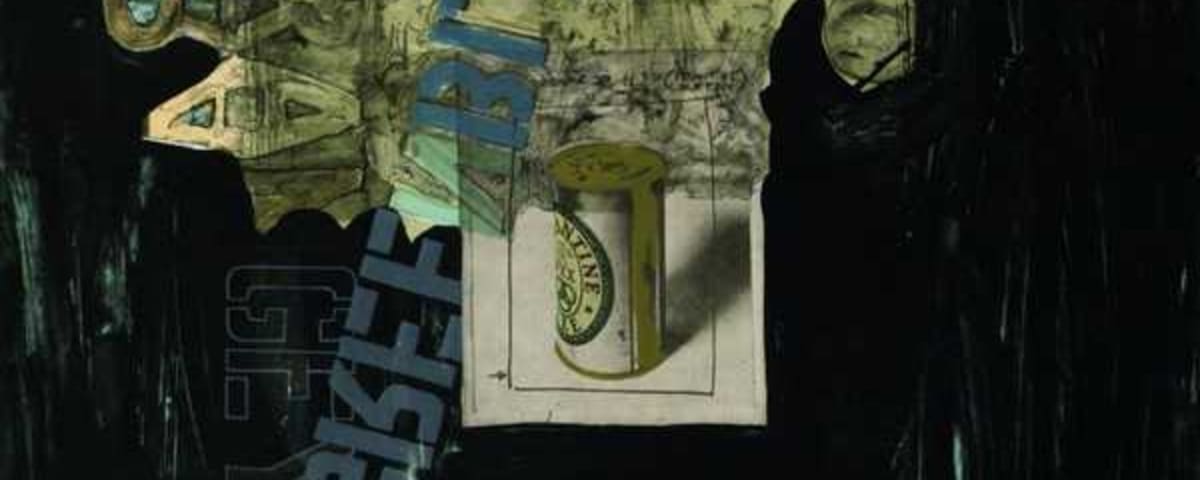
Neo-Dada is a term applied to the work of artists active in the United States in the 1950s and early 1960s whose art recalled the Dada movement of the early twentieth century in its irony, its use of everyday objects and its unsettling of the boundaries between art and life. Neo-Dada arose as a reaction against the then-dominant Abstract Expressionism with its pathos of inner experience; instead, younger artists turned to found objects, collage, readymades, popular-culture imagery and a detached, sometimes cool presentation. The most distinctive figures of the movement were Robert Rauschenberg, with his 'Combines' — hybrids of painting and assemblage incorporating real objects — and Jasper Johns, with his series of flags, targets and numbers that questioned the nature of image and sign. The composer John Cage played a significant role, his ideas of chance and everyday sound nourishing this circle. Neo-Dada became a direct bridge to Pop art, Fluxus and Conceptual art, reintroducing the Dada spirit of play, provocation and critique of artistic convention into postwar culture.




