




Négritude
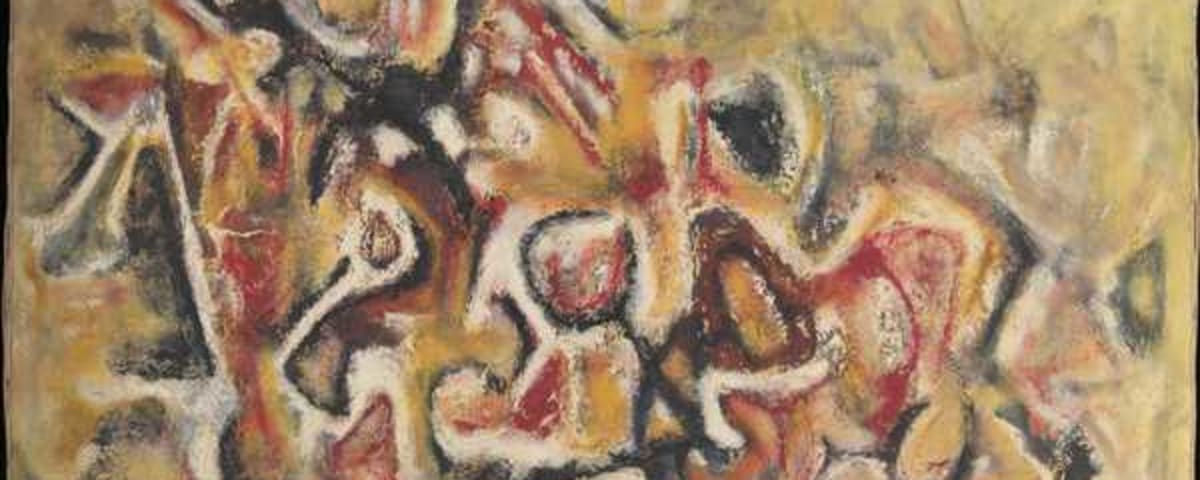
Négritude is an anti-colonial cultural and political movement founded by a group of African and Caribbean students in Paris in the 1930s, who sought to affirm the value of black identity and African culture that colonialism had despised. The key figures of the movement were the poet and future president of Senegal Léopold Sédar Senghor, the Martinican poet and politician Aimé Césaire, who actually coined the term, and the French Guianese writer Léon Damas. Négritude rejected the inferiority imposed by the colonisers, asserting pride in a shared African heritage, spirituality and aesthetics. Although the movement began chiefly in literature, it had a profound influence on the visual arts: artists of Africa, the Caribbean and the African diaspora drew on traditional forms, masks, sculpture and ornament to create a modern language of decolonised self-awareness. Négritude echoed the broader currents of Pan-Africanism and contributed to the cultural upsurge of the era of independence struggles among African states in the mid-twentieth century. It remains one of the most important intellectual movements to rethink race, identity and cultural dignity.




