




Modern moral subject
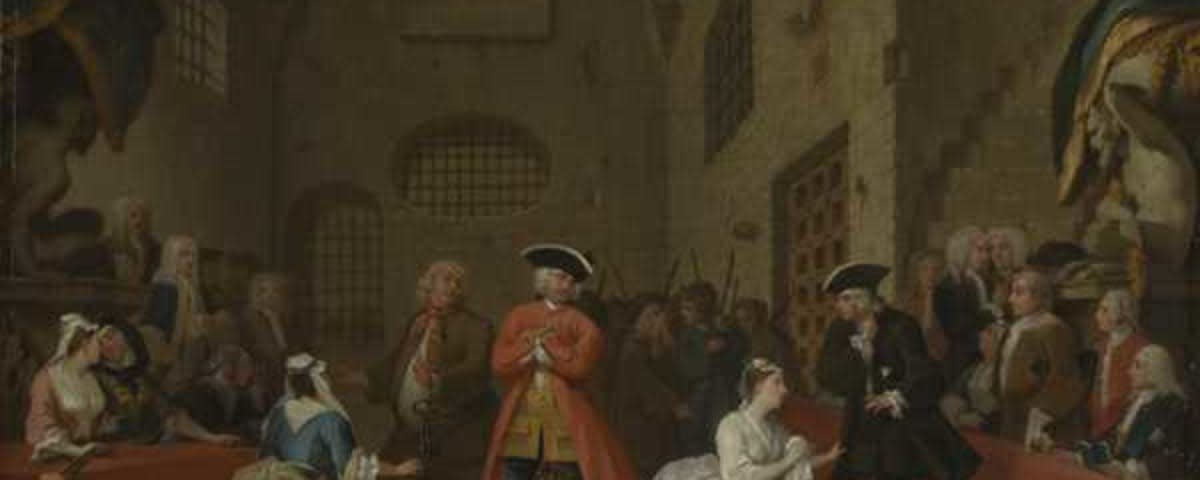
The 'modern moral subject' is a type of painting invented by the English artist William Hogarth (1697-1764), which satirically depicted the manners and morals of the society of his day. Hogarth deliberately created a new genre, combining the sharpness of political caricature with the narrative quality of history painting, but directing them toward a critique of the vices of everyday life in his age — debauchery, vanity, greed, drunkenness and hypocrisy. He himself compared his role to that of a playwright and his pictures to theatrical performances about life. Hogarth created his most famous modern moral subjects in the form of series of several pictures, which he then disseminated as affordable engravings for a wide public. Among them are A Harlot's Progress (1731), A Rake's Progress (1732-1735) and Marriage A-la-Mode (1743-1745), in which an instructive story of moral decline and inevitable retribution unfolds step by step. Every detail in these compositions carries a symbolic charge and requires attentive 'reading'. Hogarth founded the tradition of English satirical printmaking and socially critical art, influencing the subsequent development of caricature, illustration and the realist depiction of social vices.




