




Merz
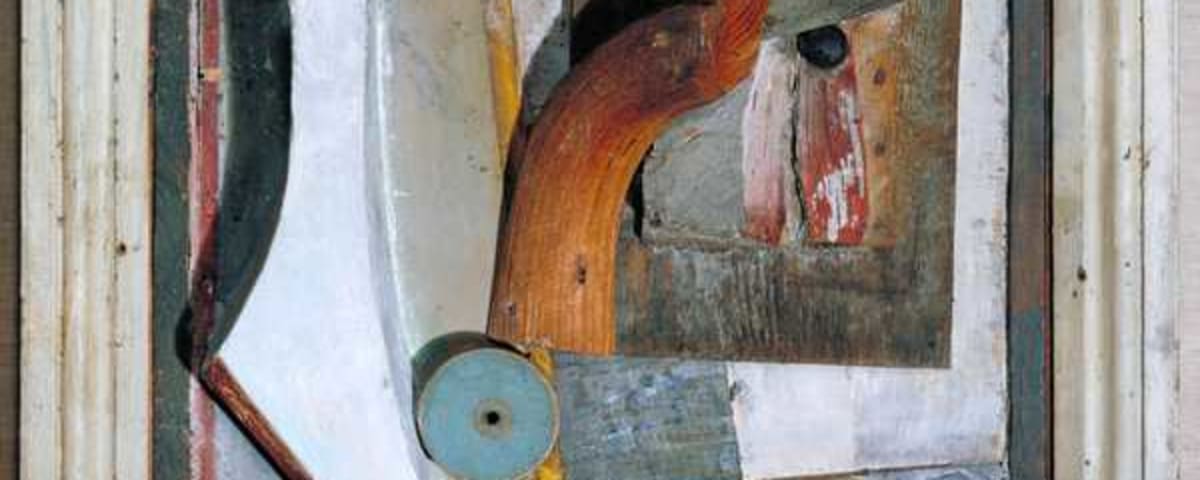
Merz is an invented nonsense word that the German Dada artist Kurt Schwitters introduced around 1919 to designate his own artistic method: collages and assemblages composed of gathered second-hand materials — tickets, wrappers, scraps of newspaper, buttons, wire, splinters of wood and other urban refuse. The word arose by chance when a fragment of the name of the bank 'Commerz und Privatbank' found its way into one of his collages; the syllable 'merz' survived and gave its name to the whole practice. Schwitters proclaimed Merz a universal worldview capable of embracing any material and any medium — poetry, painting, sculpture, music, print. Its most ambitious embodiment was the 'Merzbau', a durational architectural installation with which the artist rebuilt his own home in Hanover over years, turning it into a branching spatial construction. Merz celebrates the beauty of the devalued, discarded and accidental, raising the waste of consumer society to the status of art. The practice exerted a marked influence on postwar assemblage art, Pop art and the conceptual currents of the twentieth century.




