



Land art
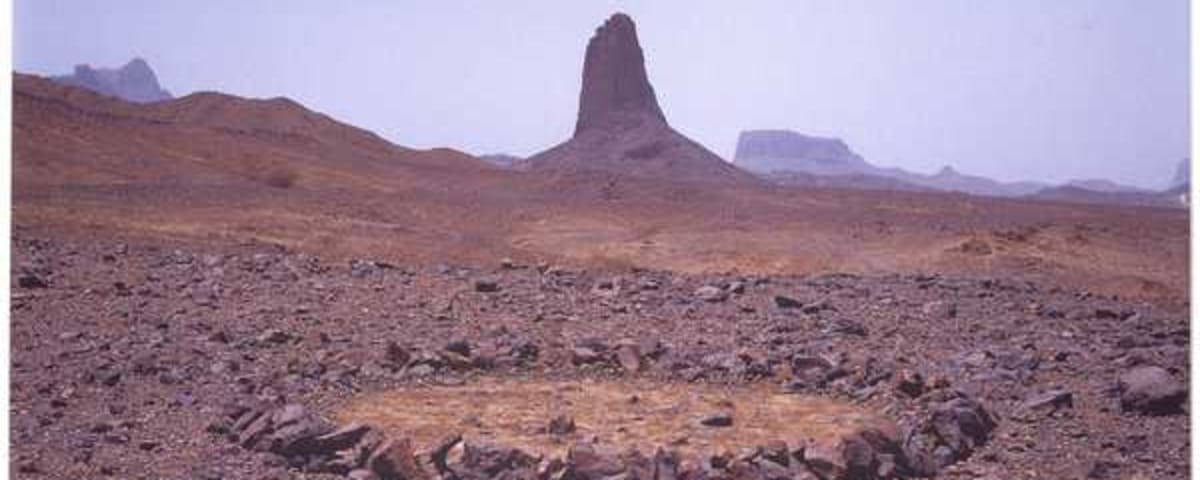
Land art (earth art) is a tendency that arose in the late 1960s in the United States and Europe, consisting in the making of artworks directly in the natural landscape: artists shape earthen mounds, trenches, spirals and lines, or arrange structures from stones, soil, branches and other found materials. Land art was born as a revolt against the commercialisation of art and the museum-gallery system: works are often sited in remote deserts or fields, impossible to buy and destined to be gradually eroded by the elements, so that they survive only in photographs and documentation. The textbook example is Robert Smithson's 'Spiral Jetty' (1970) on the Great Salt Lake. Leading practitioners include Nancy Holt, Michael Heizer and Walter De Maria, and in Europe Richard Long and Andy Goldsworthy, whose delicate interventions underscore the passage of time and natural cycles. Land art raised questions of ecology, scale, duration and the relationship between humanity and environment, becoming a precursor of contemporary ecological art.




