




Gutai
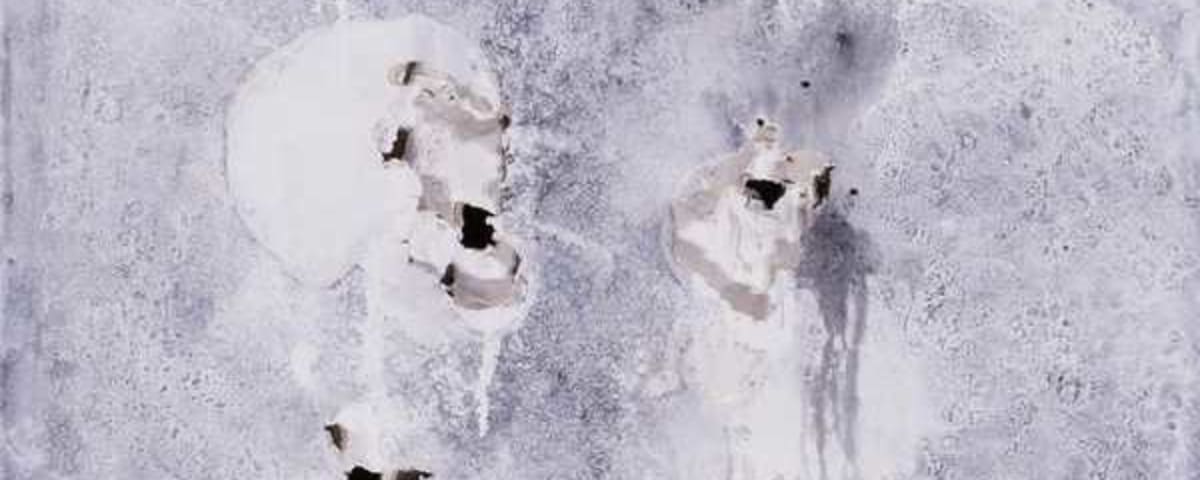
Gutai was a Japanese avant-garde group founded in 1954 in the Osaka region by the artist Jiro Yoshihara together with younger artists. Its full name, Gutai Bijutsu Kyokai, means Concrete Art Association; the word gutai signifies concreteness or embodiment. The group's ideas and approaches radically anticipated the performative, conceptual and process-based art practices of the 1960s and 1970s. Yoshihara urged his members never to imitate others and to make what had never existed before, giving primary importance to the direct, physical engagement of the artist with the material. The Gutai artists painted with their bodies, feet and machines, threw paint, tore through canvases with their own bodies, and staged performances outdoors and in theatres. Landmark actions included Kazuo Shiraga painting with his feet while suspended above the canvas, Atsuko Tanaka's Electric Dress made of glowing lamps, and Saburo Murakami bursting through sheets of stretched paper. Gutai engaged actively with the international scene, including European gestural art. The group became one of the most important post-war avant-garde movements in Asia and is still valued for its pioneering fusion of painting, performance and material experiment.




