




Fantastic realism
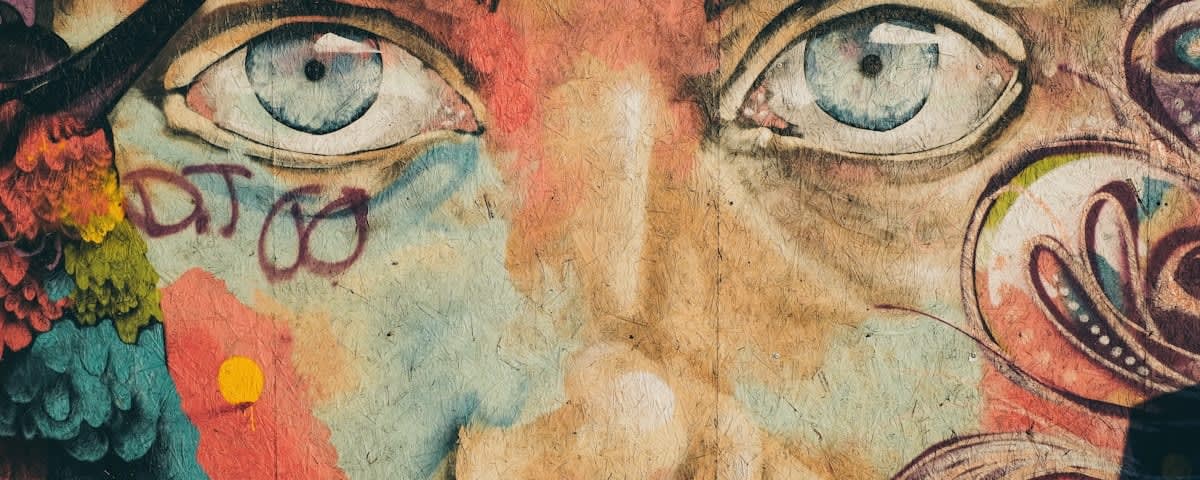
Fantastic realism is a movement associated above all with a group of artists who worked in the late 1940s and 1950s in Vienna, forming the so-called Vienna School of Fantastic Realism. Their work combined the flawless painterly technique of the old masters—fine glazing, meticulous detail and deep space—with an interest in contemporary artistic currents, Symbolism, mythology, religion and psychoanalysis. They gave form to ideas about the unconscious, dreams and archetypes in strange, sometimes grotesque images that fused convincing detail with impossible, phantasmagorical visions. The leading masters of the school were Ernst Fuchs, Rudolf Hausner, Arik Brauer, Wolfgang Hutter and Anton Lehmden. Their style was influenced by late Gothic art, Hieronymus Bosch, Pieter Bruegel and Surrealism, though, unlike Surrealist automatism, the Viennese deliberately cultivated painstaking craft and academic skill. Fantastic realism was an important instance of the post-war return to figuration and mythological imagination at a time dominated by abstraction, and it testified to the persistence of a visionary, symbolically rich tradition in twentieth-century European art.




