



Concrete art
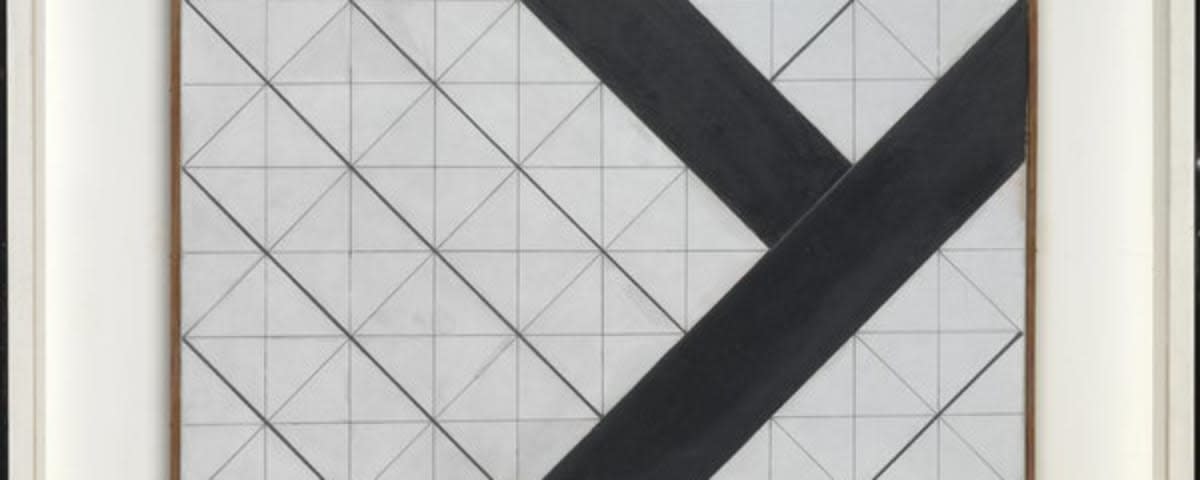
Concrete art is a current of abstract art that is entirely without any basis in observable reality and carries no symbolic or naturalistic implications. Its adherents insisted that line, plane and colour are concrete in themselves and should not depict or symbolise anything; a painting is as real an object as a chair or a tree. Works are constructed according to clear mathematical or geometric principles, methodically, without reliance on spontaneity or emotion. The term was proposed by the Dutch artist Theo van Doesburg in his 1930 manifesto Art Concret, contrasting concrete art with abstract art, which in his view still departed from reality through abstraction. After van Doesburg's death a leading role in the development of the current was played by the Swiss artist, designer and theorist Max Bill, who spread these ideas in the postwar decades. Concrete art developed significantly in Latin America, notably in Brazil and Argentina, where it influenced Neo-Concretism. The current is closely linked with Constructivism and geometric abstraction and emphasises clarity, order and rational structure.




