




Capitalist realism
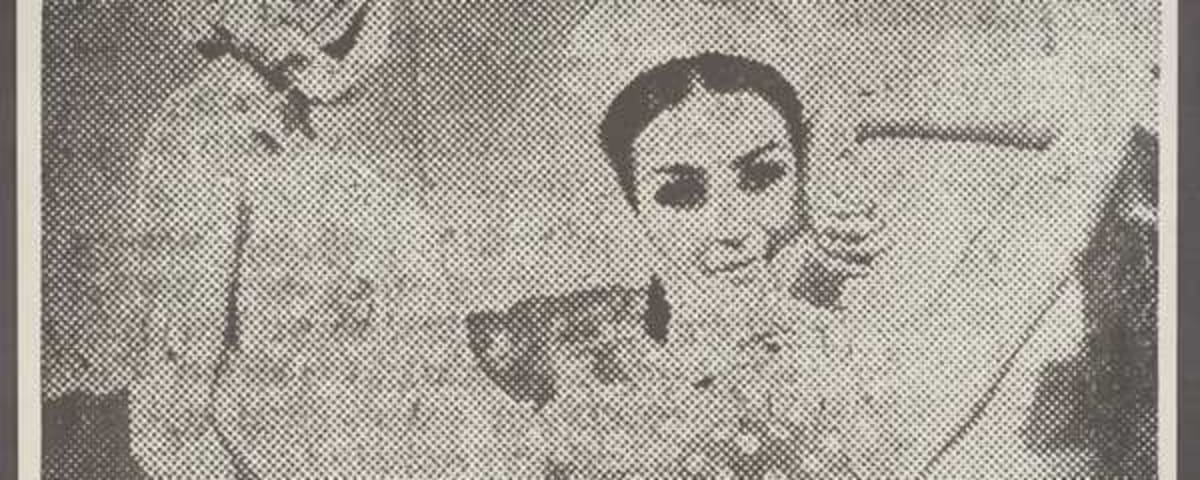
Capitalist Realism was a movement that arose in Düsseldorf and Berlin in Germany around 1963 to challenge the dominant influence of American Pop art in the Western world while also ironically playing on the official art of totalitarian regimes. The name itself is a parodic play on the term Socialist Realism, the state-imposed official style of communist countries; the artists transferred this logic to consumer society, making advertising, commodities and Western mass culture the subject of art. The tendency was founded by the artists Gerhard Richter, Sigmar Polke and Konrad Lueg, later known as the gallerist Konrad Fischer. In 1963 Richter and Lueg staged a provocative event in a furniture store in Düsseldorf, presenting an everyday setting as an art exhibition. Works of Capitalist Realism drew on images from newspapers, advertising and household goods, often treating them with a restrained, critically detached irony, in contrast to bright American Pop art. The movement reflected the particular German experience of the postwar economic miracle and a divided country, and it was an important stage in the formation of influential individual practices, above all that of Gerhard Richter.




